

Best Alternative to Solar Buyback in Texas
If export credits dropped, relying on buyback alone may no longer be the best strategy.
Why Solar Buyback Is No Longer Reliable
Texas does not mandate full retail net metering.
Buyback programs are:
Voluntary
Controlled by retail providers
Subject to contract changes
Often tied to wholesale market pricing
Several years ago, many homeowners received near-retail export credits.
Today, some plans credit as little as 2–5¢ per kWh.
If you purchase electricity at 14–18¢ per kWh, the gap reduces your effective savings.
You are selling low and buying high.
That is not how solar was originally modeled.

Is Switching Retail Plans the Best Alternative?
Some homeowners respond to low buyback rates by switching providers.
This can help temporarily.
But:
Retail plans change at renewal
Promotional rates expire
Buyback structures fluctuate
Market pricing shifts
Switching plans still leaves you dependent on compensation policies you do not control.
It’s a short-term adjustment, not a structural solution.

The Best Alternative to Solar Buyback Is Increasing Self-Consumption
Instead of exporting excess solar production at low credit rates, you keep and use it yourself.
This is achieved through battery storage.
A battery allows you to:
Store excess daytime production
Use stored energy at night
Reduce low-value exports
Offset higher retail rates
Stabilize long-term savings
You shift from export-dependent savings to usage-controlled savings.
Control replaces compensation.

Why Storage Is Gaining Momentum in Texas
Battery storage solves multiple Texas-specific challenges:
Low buyback credits
Retail rate volatility
Free nights plan inefficiencies
Grid outage concerns
Summer peak pricing exposure
Instead of relying on utility math, you design your own energy flow.
Your panels still produce.
The difference is what happens next.
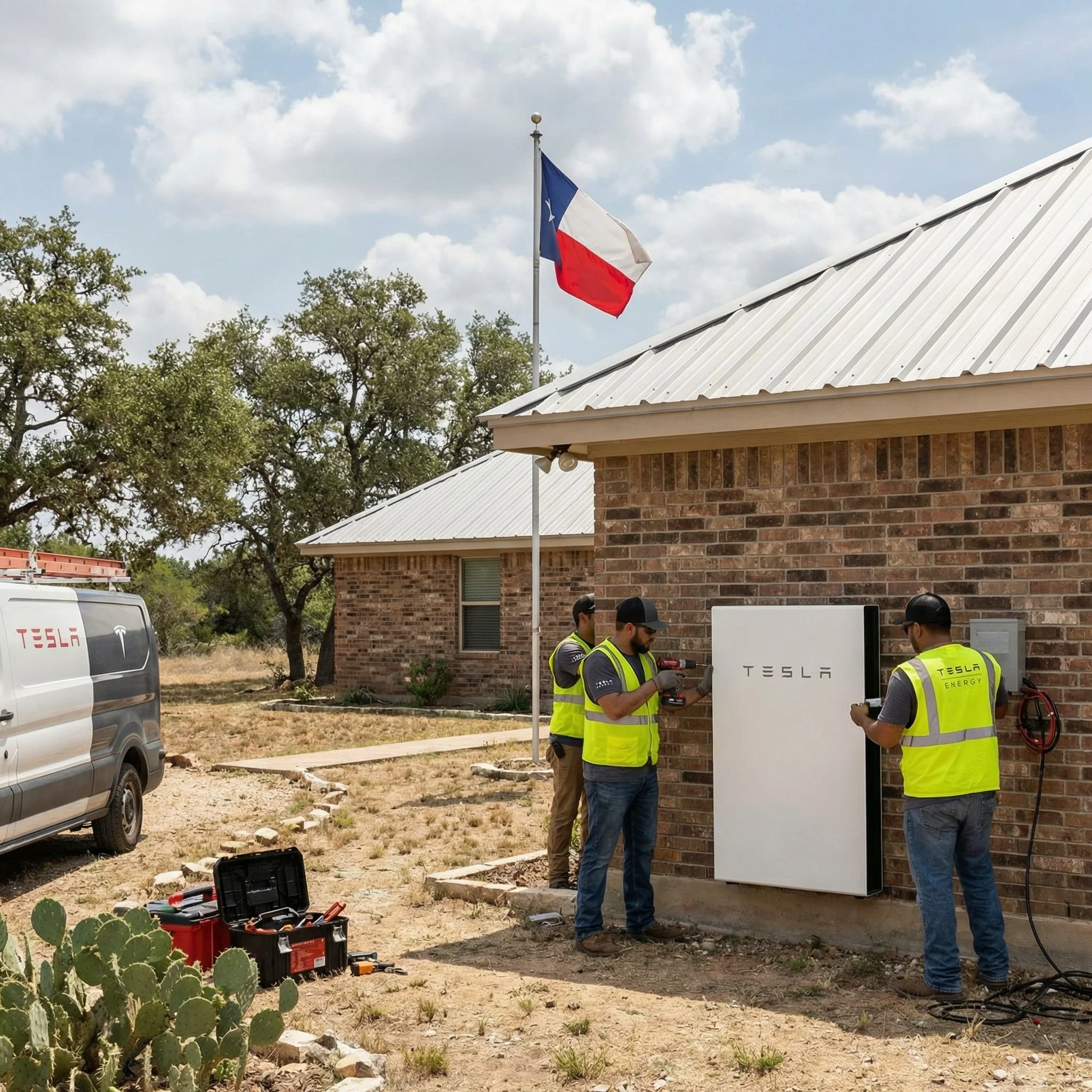
A Battery Upgrade May Be the Best Alternative If You:
Installed solar between 2018–2024
Recently saw buyback credits decline
Export significant daytime production
Switched providers without improvement
Want outage protection
Want predictable long-term savings
If your production is strong but your financial results weakened, storage often restores balance.
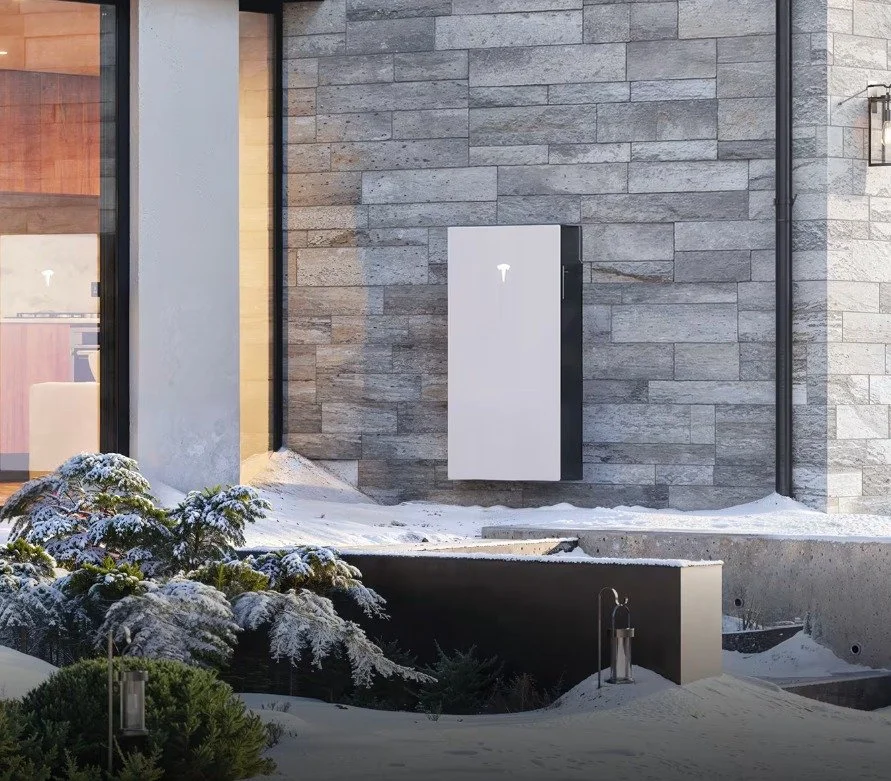
Is Battery Storage Worth It Compared to Buyback?
Battery storage requires upfront investment.
However, many homeowners qualify for the 30% Federal Tax Credit on battery installations.
When factoring:
Reduced grid purchases
Avoided peak pricing
Lower export losses
Long-term rate protection
Outage resilience
Battery storage often becomes more stable over time than relying solely on buyback programs.
Buyback policies can change.
Self-consumption does not.
-
No. Texas does not require full retail net metering statewide.
-
Rate structures depend on market conditions and retail provider strategy.
-
Switching plans may help temporarily. Storage reduces long-term dependence on plan changes.
-
In many cases, yes. Compatibility depends on inverter and electrical configuration.
-
Yes but results vary depending on usage patterns and system size.