

ERCOT Outages and Solar Batteries
When ERCOT grid events happen, most solar homes lose power.
Understanding ERCOT and the Texas Grid
ERCOT (Electric Reliability Council of Texas) manages the flow of electricity to most of the state.
During extreme conditions — such as:
Winter storms
Severe heat waves
Hurricane impacts
Unexpected generation shortfalls
ERCOT may implement controlled outages or experience grid instability.
When the grid goes down, your home loses utility power.
And so does most solar.

Why Solar Panels Stop Working During Blackouts
Most residential solar systems in Texas are grid-tied.
That means:
The inverter synchronizes with grid voltage
Excess energy is exported
The system requires grid reference to operate
When ERCOT outages occur:
The grid loses voltage
The inverter disconnects
Solar production shuts down
This is called anti-islanding protection.
It is required for safety.
Solar panels alone do not provide backup power.
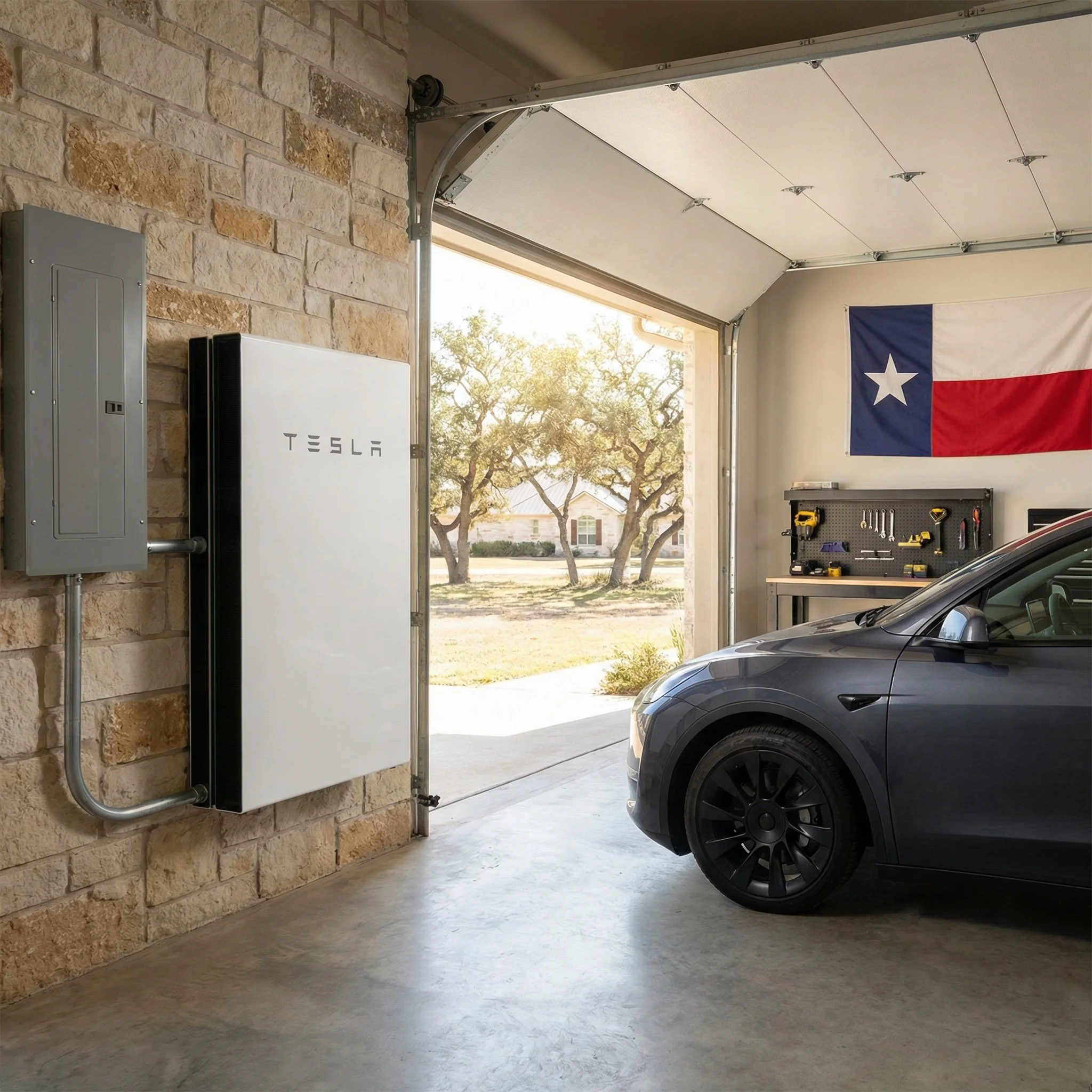
Solar + Battery During ERCOT Outages
When battery storage is installed properly, the system can:
Detect grid failure
Automatically disconnect from ERCOT
Form a microgrid
Power your home
Recharge from solar during daylight
Instead of shutting down, your system transitions into backup mode.
Solar produces.
The battery stores.
Your home stays powered.

Not All Backup Systems Are Equal
Battery systems can be configured to power:
Critical loads only (refrigerator, lights, internet)
Larger circuits (HVAC, kitchen appliances)
Entire home loads (with proper sizing)
Whole-home backup depends on:
Battery capacity
Inverter compatibility
Electrical panel design
Load management strategy
System design determines performance during extended ERCOT events.
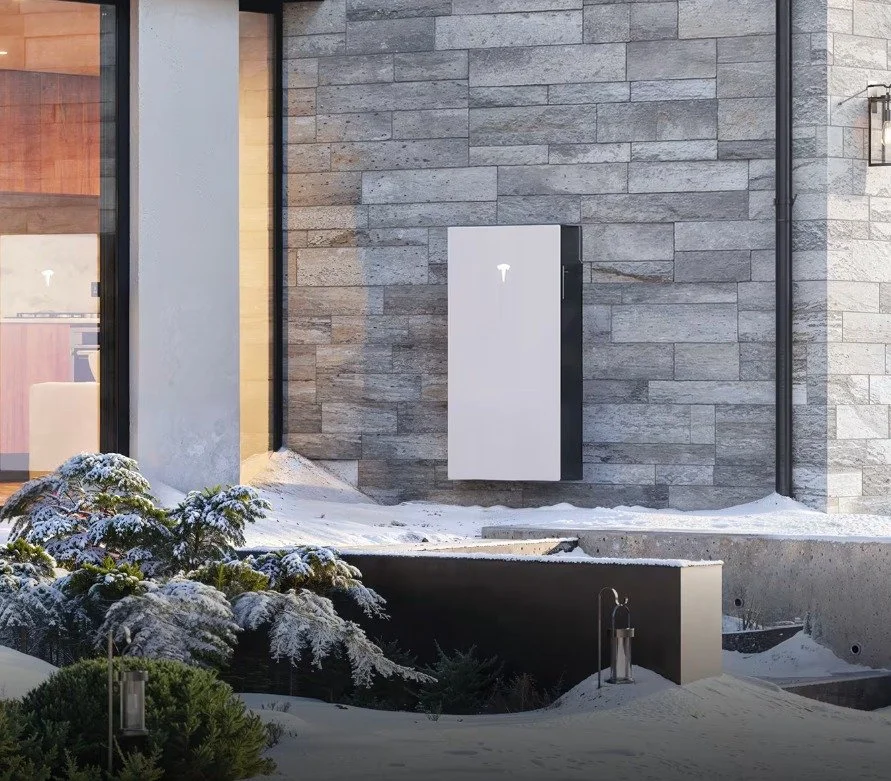
Grid Instability Changed the Conversation
Historically, solar was marketed primarily for savings.
After major ERCOT outages, homeowners began asking:
“Why didn’t my solar work?”
“How do I keep power next time?”
“How do I avoid relying entirely on the grid?”
ERCOT events exposed a common misconception:
Solar without storage is not energy independence.
It is grid participation.
Battery storage shifts the system toward resilience.
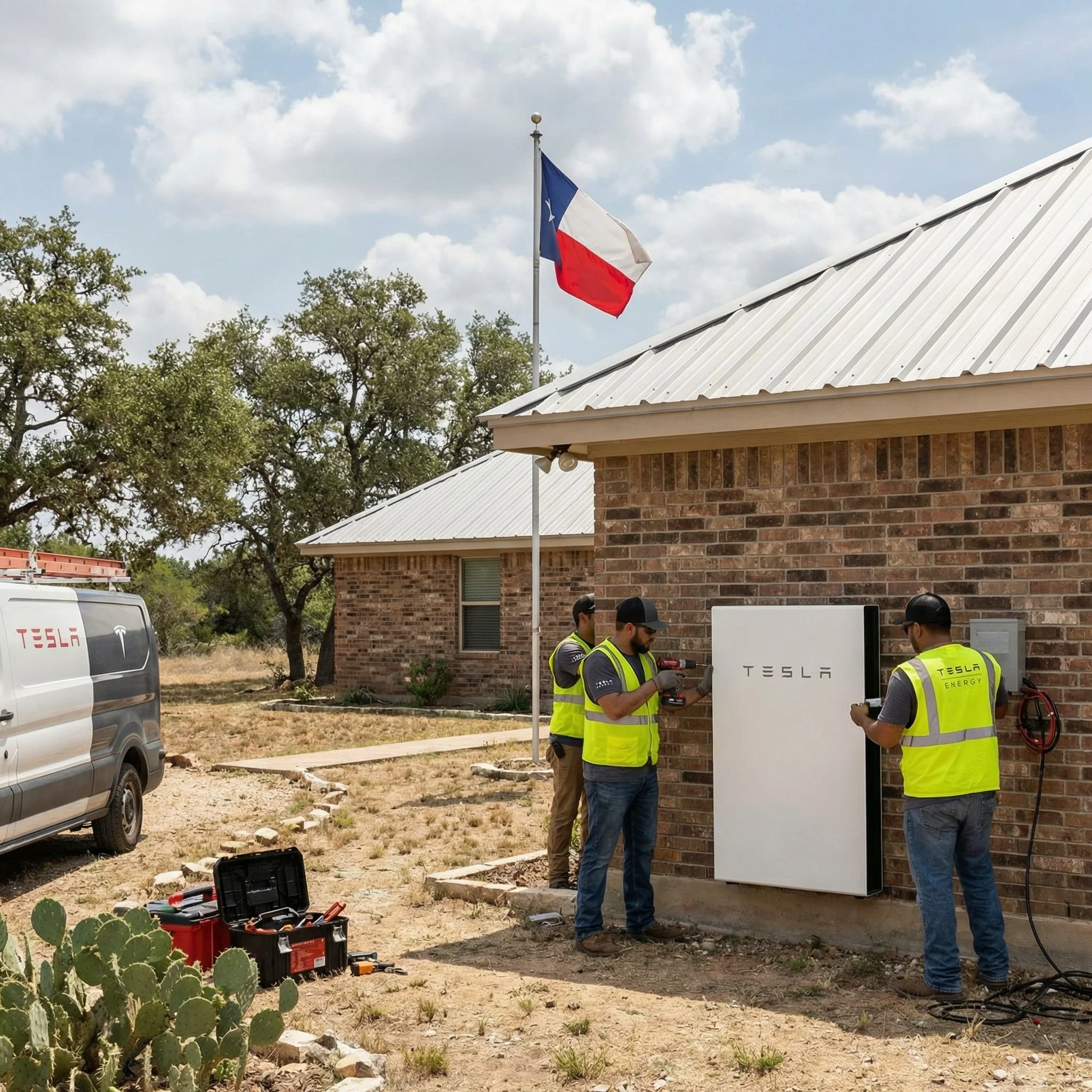
When Storage Makes Sense
Battery storage may be valuable if you:
Experienced prior ERCOT outages
Work from home
Have medical equipment
Want to protect refrigeration or security systems
Live in storm-prone areas
Want grid independence
Storage also:
Reduces reliance on low buyback credits
Increases self-consumption
Stabilizes long-term energy strategy
Outage protection becomes one part of a broader energy plan.
-
No. Most grid-tied systems shut off automatically for safety.
-
No, unless specifically designed for off-grid operation.
-
Yes, during daylight hours if the system is designed correctly.
-
Runtime depends on battery size and usage.
-
No. The shutdown is required by electrical code and inverter design.