

Free Nights Plan vs Solar Battery in Texas
Should you switch to a free nights plan — or add a battery instead?
What Is a Free Nights Electricity Plan?
Free nights plans typically:
Offer $0 energy charges during overnight hours
Charge higher rates during daytime or peak hours
Adjust buyback credit structures
Include delivery charges
This strategy works best if:
You use most electricity at night
You can shift heavy loads after sunset
You don’t rely heavily on daytime export credits
However, for solar homeowners, this can create a timing mismatch.
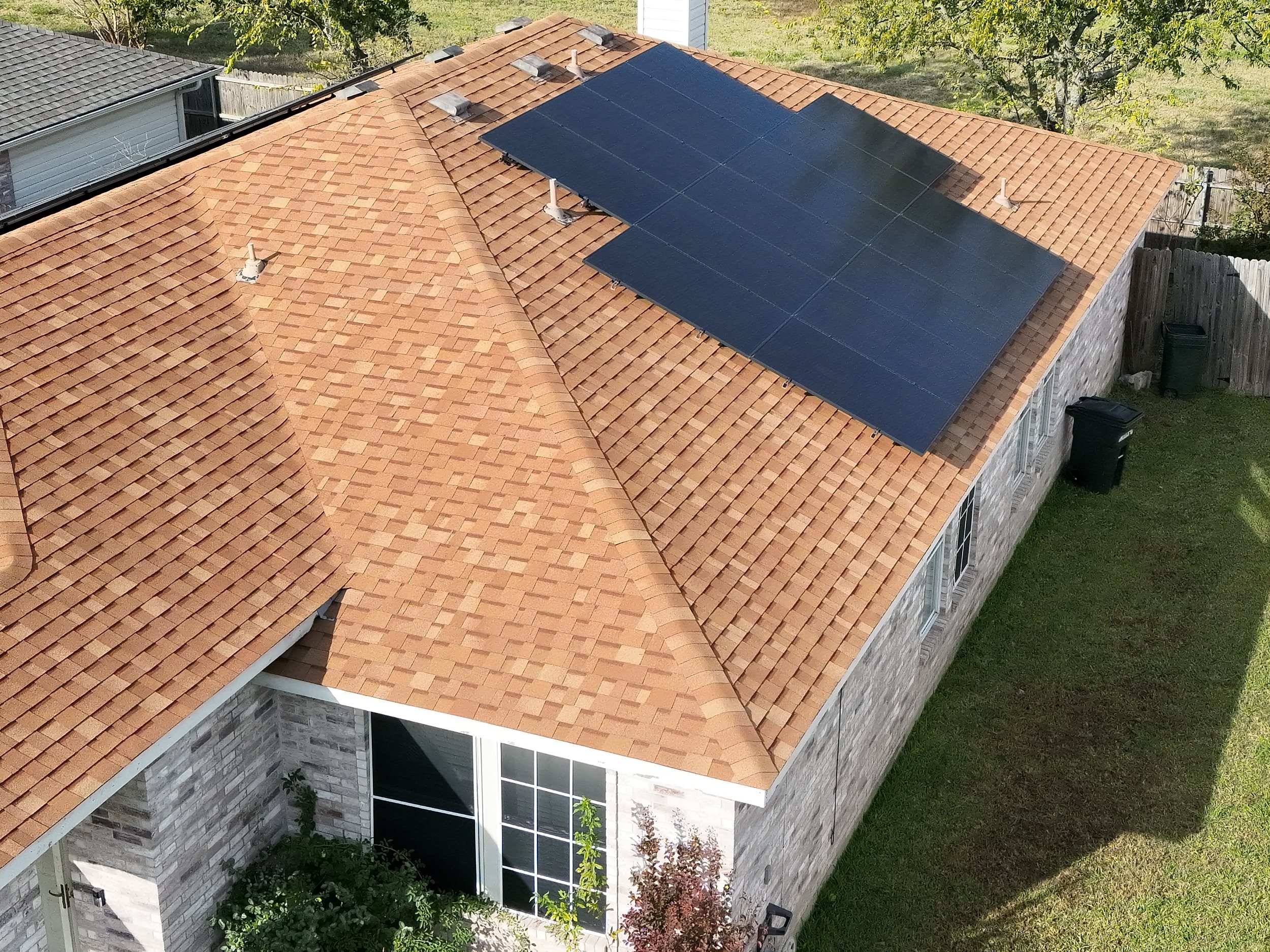
Solar Produces During the Day — Free Nights Apply at Night
Solar panels generate most power:
Late morning
Midday
Early afternoon
Free nights plans give you:
Free grid electricity after dark
Without storage, you may:
Export daytime production at low credit rates
Use free grid power at night
Lose the value of self-consumption
If export credits are 2–5¢ per kWh, your daytime production may not be worth much financially.
You are still dependent on retail structure.
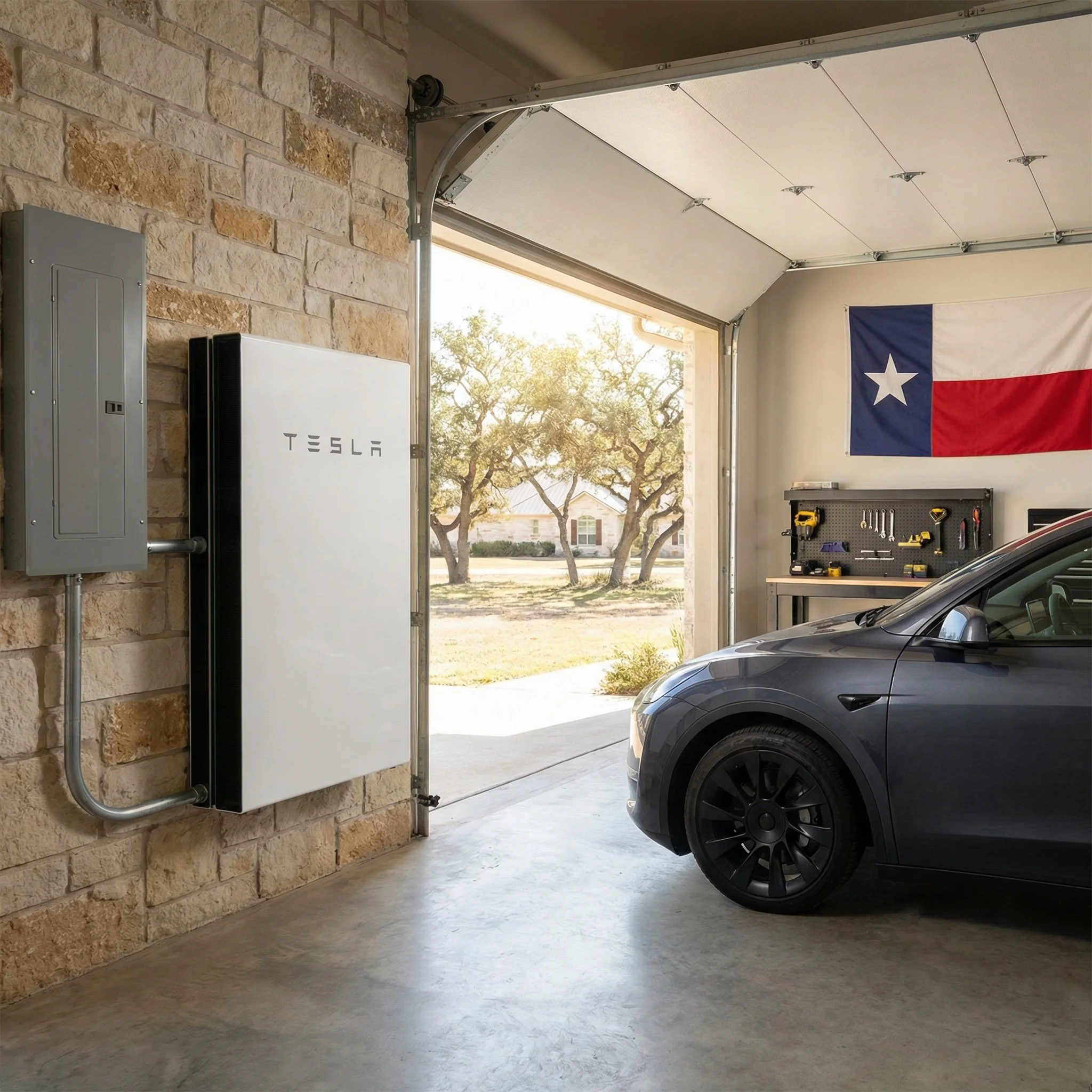
Solar Battery Strategy
A battery allows you to:
Store excess daytime production
Avoid low-value exports
Use stored energy at night
Reduce peak-rate exposure
Increase self-consumption
Instead of selling energy cheaply and relying on a rate plan, you control your own usage timing.
Battery shifts control from the utility to you.

Free Nights vs Battery: Financial Differences
Free Nights Plan
Pros:
Lower upfront cost
Reduced nighttime charges
No equipment purchase required
Cons:
Higher daytime rates
Low export compensation
Plan terms may change
Still grid-dependent
No outage protection
Solar Battery
Pros:
Increased self-consumption
Reduced low-value exports
Peak pricing avoidance
Outage protection
Long-term rate stability
Cons:
Upfront investment
Requires compatibility evaluation
Free nights optimize your bill under current rules.
Battery reduces your dependence on the rules.
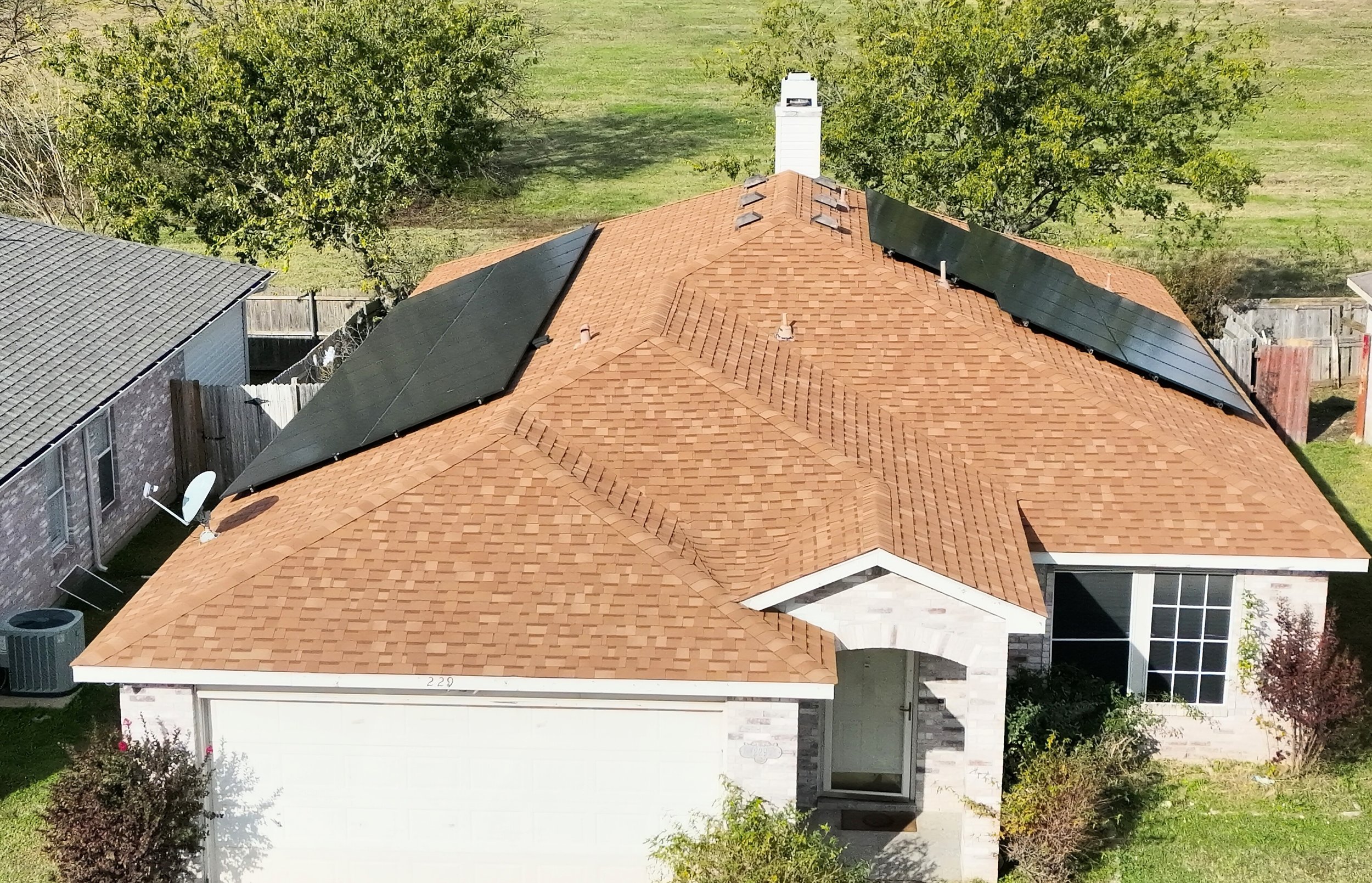
Free Nights May Work If You:
Have low daytime production
Use most energy after sunset
Have minimal exports
Are comfortable with rate plan volatility
Do not need backup power
Free nights can be effective for certain usage patterns.
But it does not increase control over export value.
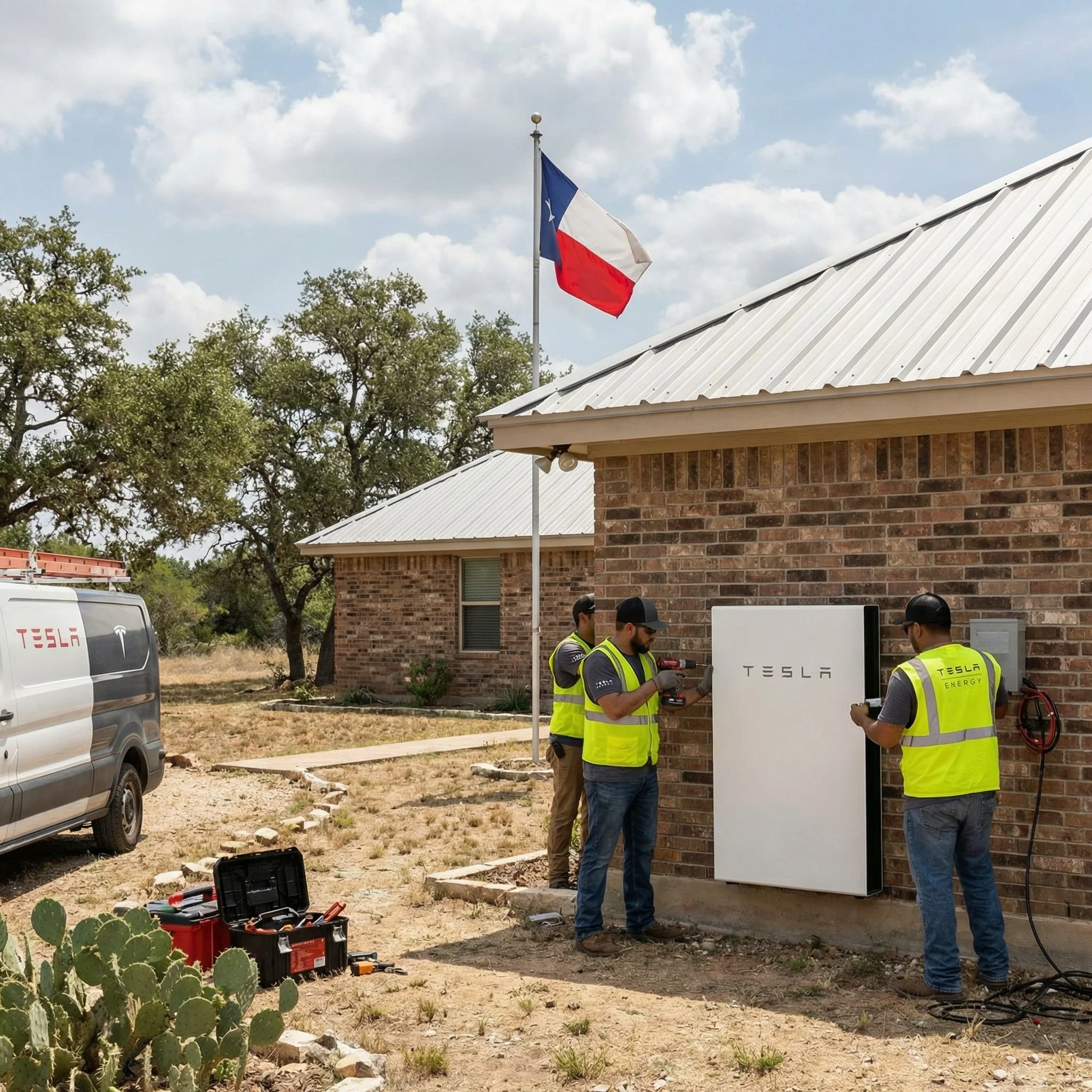
Battery Makes Sense If You:
Export significant daytime solar
Have low buyback credits
Experience peak pricing
Want outage protection
Want long-term predictability
Want to reduce retail plan dependence
If your frustration is low export compensation, free nights may not fix that.
Battery storage addresses the root issue — self-consumption.
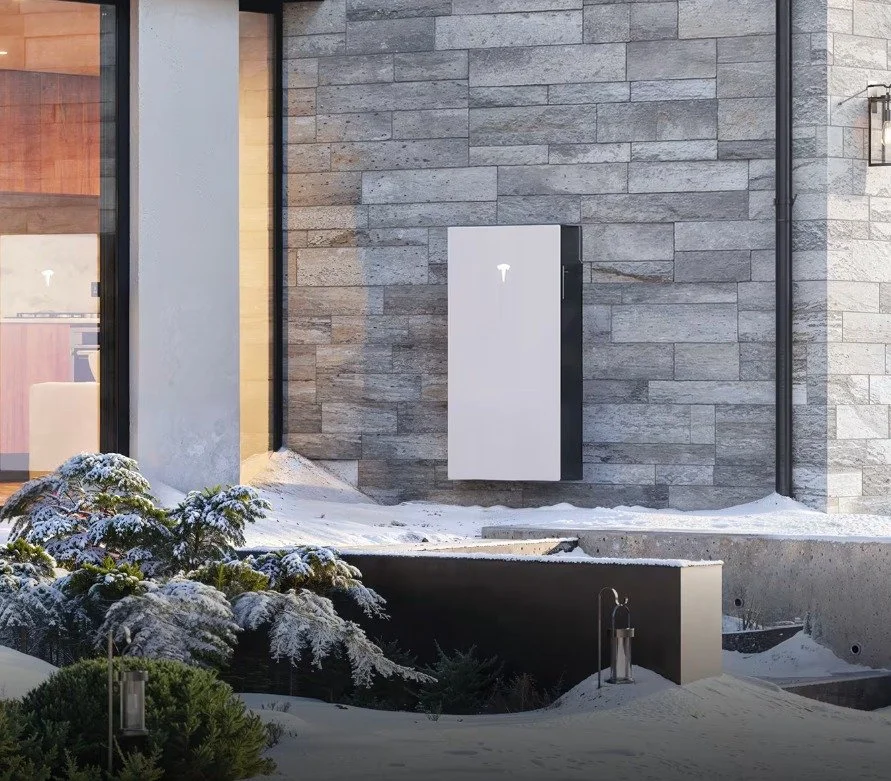
Which Strategy Is More Stable Over 10+ Years?
Free nights plans:
Depend on retail contracts
Change at renewal
Adjust based on market pricing
Battery storage:
Relies on your own production
Reduces exposure to rate shifts
Adds resilience
Can qualify for the 30% Federal Tax Credit
Retail plans are temporary.
Hardware is strategic.
-
It depends on your usage pattern and export rate but usually a solar battery is better.
-
If you export large amounts of daytime solar, a battery may still improve ROI.
-
Yes, in some cases this can be strategically structured.
-
Results vary based on system size and consumption.
-
Yes. It requires no equipment purchase.