
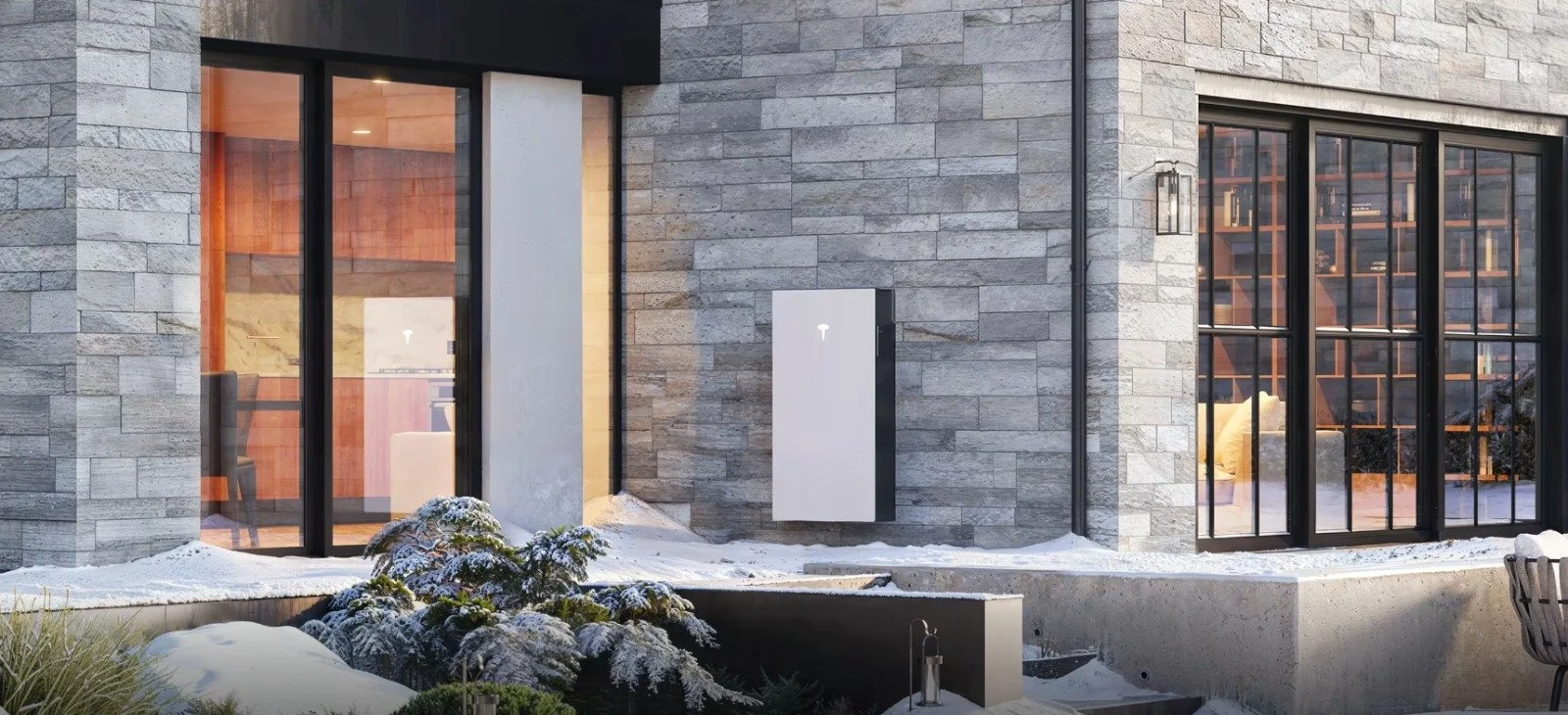
How Long Do Solar Batteries Last in Texas Heat?
Texas heat is extreme — and homeowners want to know if batteries can handle it.
Typical Solar Battery Lifespan
Most modern lithium-ion solar batteries are designed to last:
10–15 years under normal residential use
Thousands of charge/discharge cycles
Daily cycling in solar + storage setups
In many cases, batteries continue operating beyond the warranty period — just at gradually reduced capacity.
Heat does not automatically shorten lifespan — improper installation does.
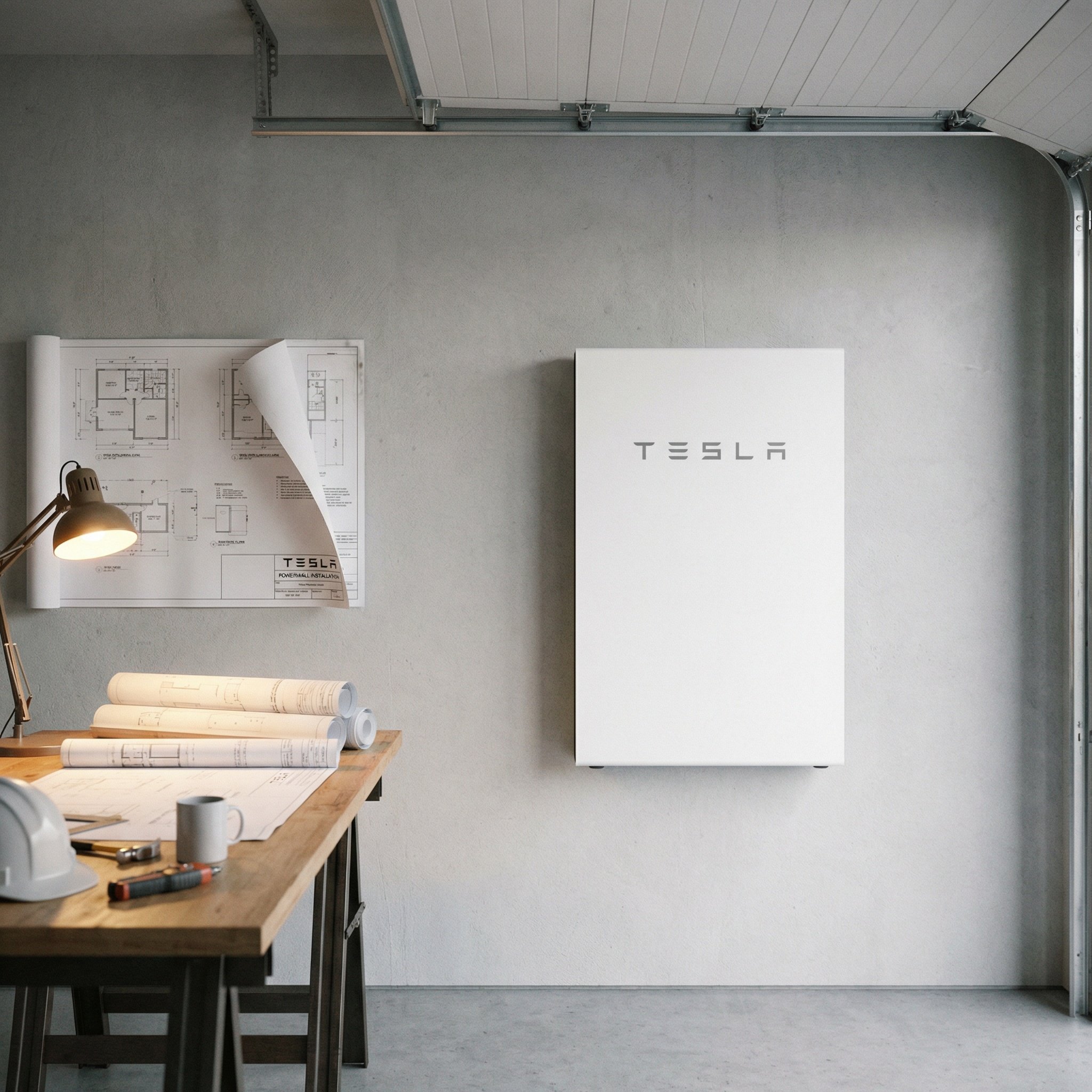
Does Extreme Heat Reduce Battery Life?
Yes — but only if the battery is exposed to unmanaged high temperatures.
High heat can:
Accelerate chemical degradation
Reduce cycle efficiency
Increase internal resistance
Shorten long-term capacity retention
However, modern battery systems include:
Advanced thermal management systems
Built-in cooling mechanisms
Battery management systems (BMS)
These regulate internal temperatures even during Texas summers.
The key is proper placement and installation.
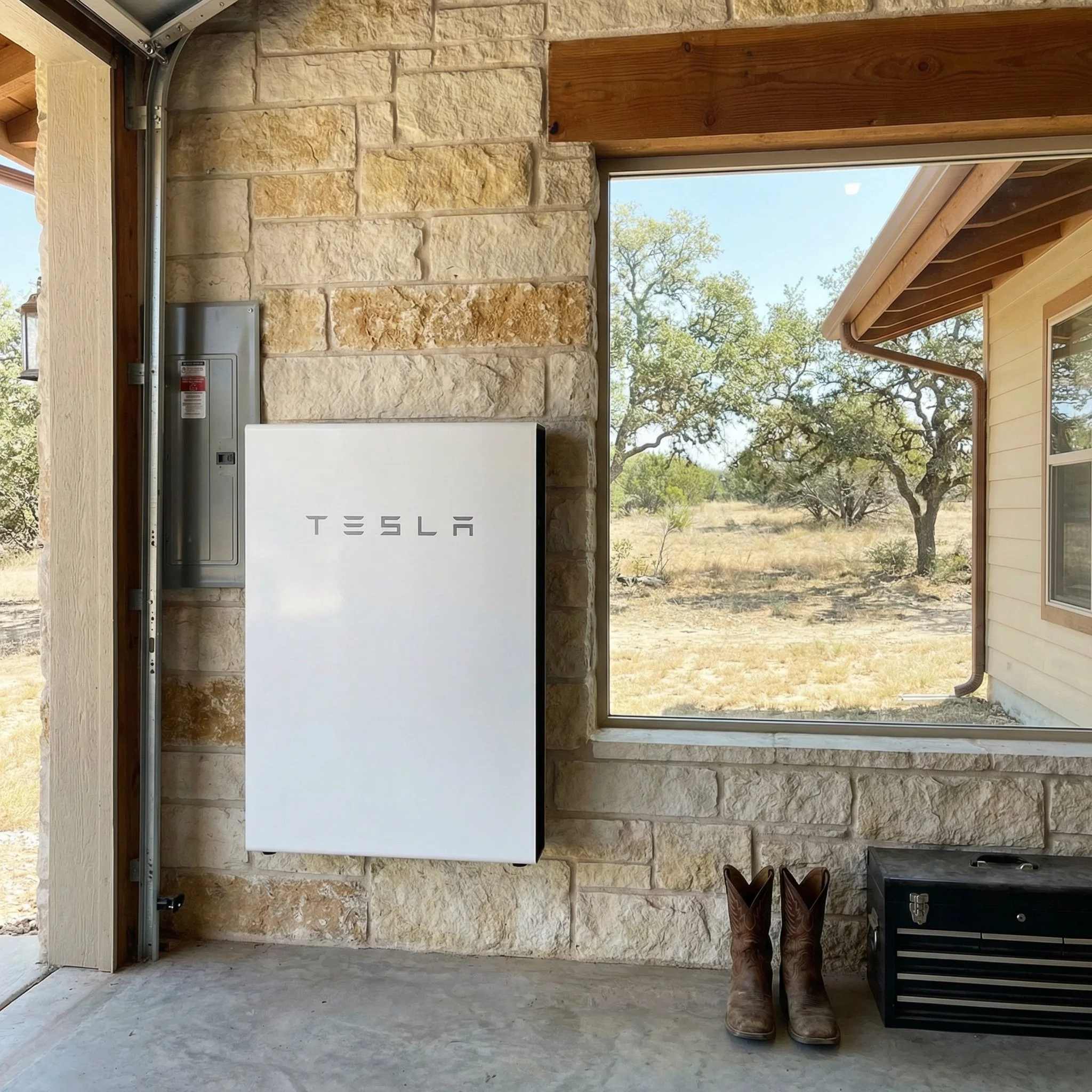
Where the Battery Is Installed Matters
Battery lifespan improves when installed:
Inside garages
In shaded areas
In ventilated locations
Away from direct sunlight
Improper outdoor placement in direct Texas sun can increase stress on the system.
Environment control protects long-term performance.
Professional installation planning makes a measurable difference.

All Batteries Degrade — Gradually
Solar batteries do not suddenly fail.
Instead, they:
Slowly lose maximum capacity
Retain 60–80% capacity after 10 years (depending on model)
Continue functioning at reduced storage levels
Example:
A 10 kWh battery may store:
10 kWh when new
7–8 kWh after 10 years
That degradation is expected and covered under performance warranties.
Gradual capacity reduction is normal. Sudden failure is not.
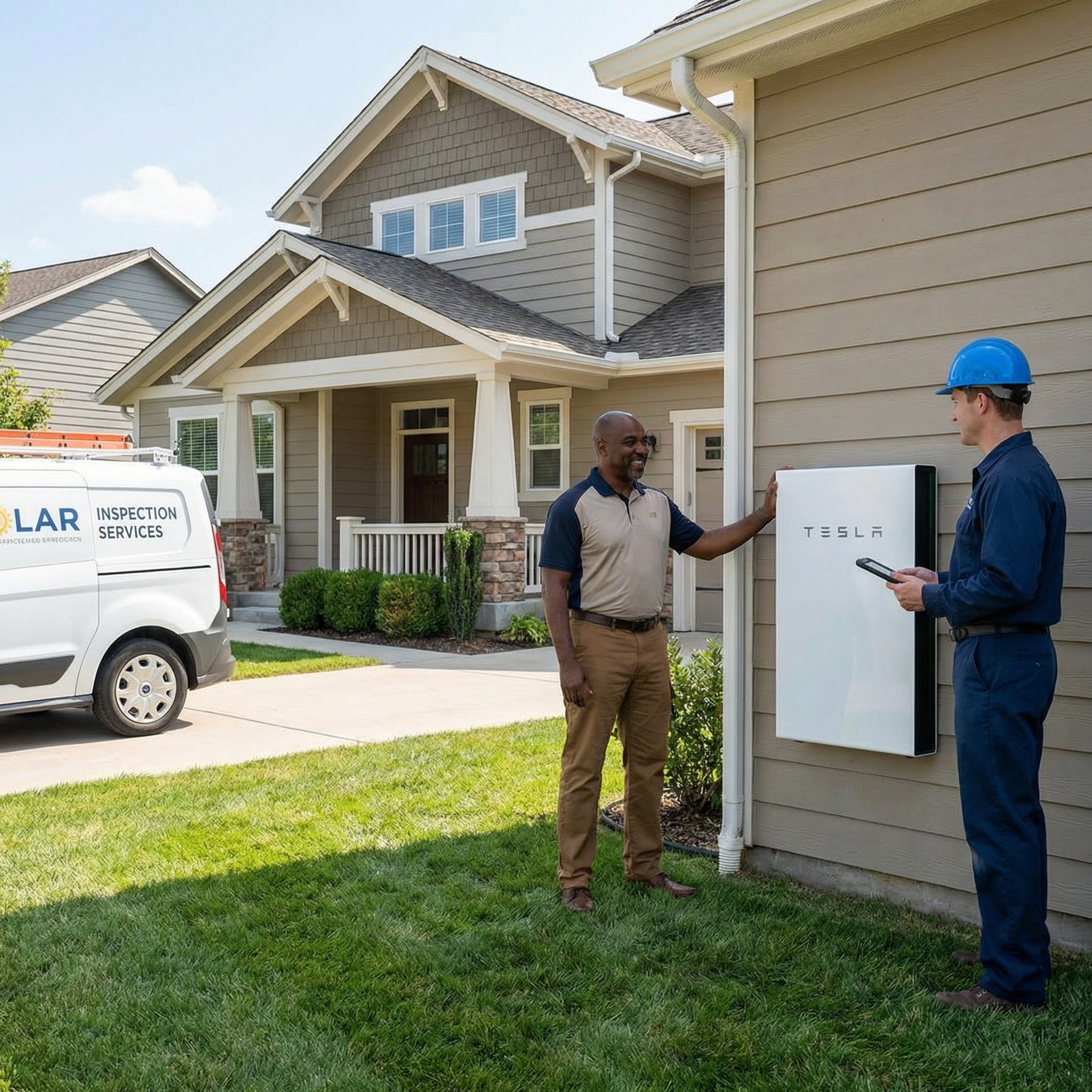
Biggest Factors Affecting Longevity
Installation quality
Thermal exposure
Depth of discharge settings
Daily cycling frequency
Electrical configuration
Oversized systems often experience less stress than undersized systems constantly pushed to maximum discharge.
Proper system sizing protects lifespan.
Texas Heat Isn’t the Problem … Poor Design Is
Modern battery systems are engineered for demanding climates.
What determines lifespan is:
Proper sizing
Correct installation
Temperature management
Quality equipment
If your system is designed correctly, Texas heat alone should not shorten its expected life.
Before assuming batteries won’t survive the climate, evaluate your installation environment.
-
Not when installed correctly. Modern lithium-ion batteries include thermal management systems that regulate internal temperature. Problems typically arise from poor placement, lack of ventilation, or direct sun exposure without protection.
-
Most residential battery systems include a 10-year manufacturer warranty, often with a guaranteed minimum capacity retention. The warranty terms are the same in Texas as in other states, though proper installation is critical to maintain coverage.
-
Indoor installation (such as in a garage) often provides additional protection from direct heat exposure. However, outdoor installations are common and safe when properly shaded and ventilated according to manufacturer guidelines.
-
Modern batteries are designed for daily cycling in solar applications. Warranty structures account for regular usage. Proper sizing reduces stress and supports long-term performance.
-
Monitoring systems track performance and capacity over time. If degradation falls below warranty thresholds, the manufacturer may provide repair or replacement depending on terms.