
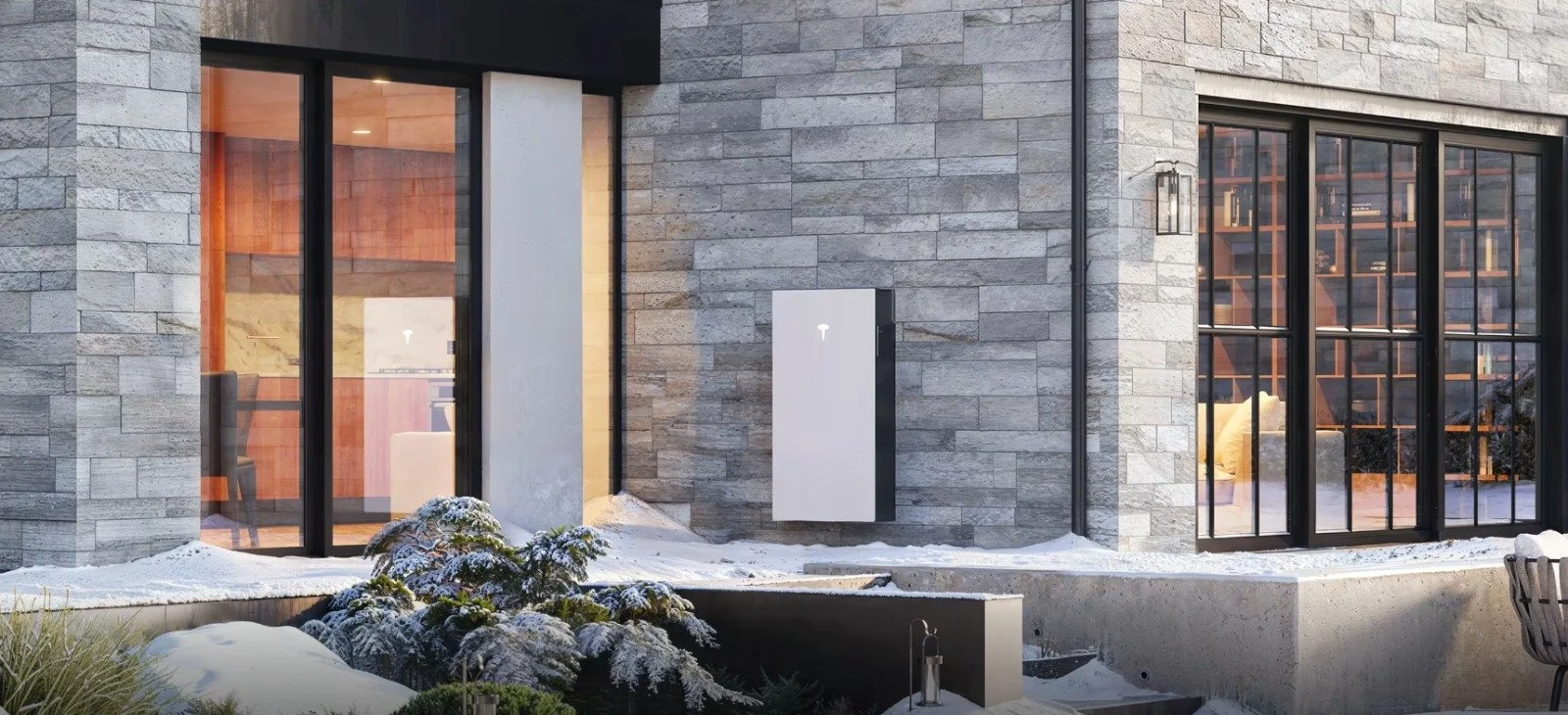
How to Fix an Underperforming Solar System
If your solar system isn’t producing what it used to, the issue may be fixable.
Production vs Expectation
Before assuming a failure, compare:
Current monthly production
Same month last year
Weather differences
Utility billing data
Solar production naturally fluctuates with:
Seasonal sun angle
Cloud cover
Storm frequency
Temperature extremes
A short-term drop does not necessarily indicate a malfunction.
A sustained or dramatic drop does.
Identify whether the issue is temporary or persistent.
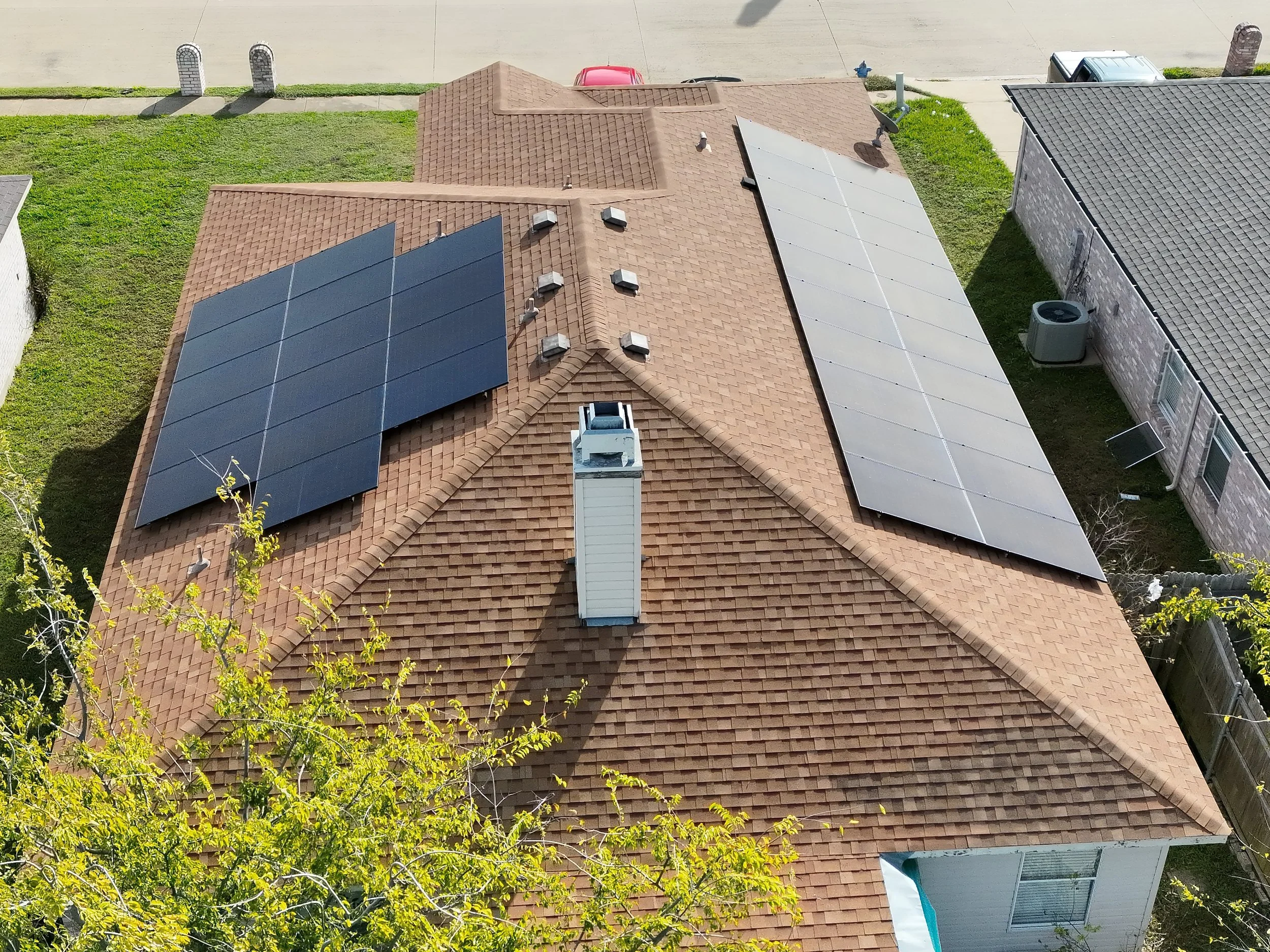
Top Reasons Solar Systems Underperform
1. Inverter Issues
The inverter converts DC solar power into usable AC power.
If the inverter is:
Faulting
Shutting down intermittently
Throwing error codes
Near end-of-life
Production may drop significantly.
2. Monitoring Failure
Sometimes the system is working, but:
Monitoring is offline
Data reporting stopped
Communication modules failed
This can create confusion about actual performance.
3. Wiring or Connection Issues
Loose or damaged wiring can reduce output.
Storms, animals, or aging components can contribute to:
Voltage drop
Intermittent disconnection
Ground faults
4. Panel Damage
Hail, debris, or micro-cracks may reduce panel efficiency.
Damage is not always visible from the ground.
5. Shading Changes
Tree growth or new structures can introduce shading that wasn’t present at installation.
Even partial shading can reduce string performance.
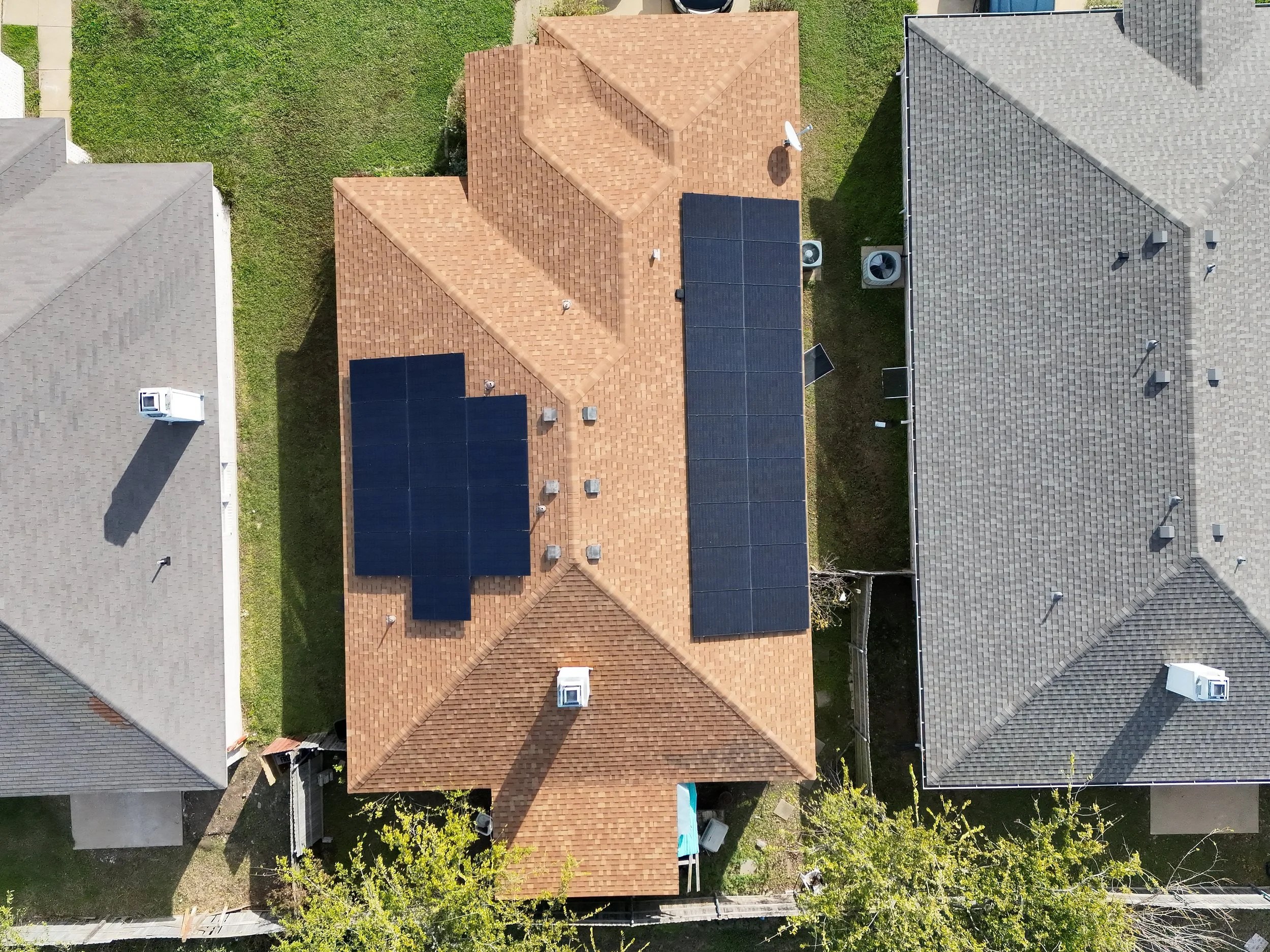
When It’s Not Production — It’s Compensation
Some homeowners believe their system is underperforming because their bill increased.
However, the system may still be producing normally.
The real issue may be:
Lower buyback credits
Retail rate increases
Plan renewal changes
Higher household consumption
If production remains consistent but savings dropped, the issue is financial — not mechanical.
Production and profitability are separate variables.

A Proper Solar System Evaluation Should Include
A professional inspection should review:
Historical production data
Inverter performance logs
Electrical connections
Roof penetrations
Panel condition
Import vs export balance
This determines whether the issue is:
Equipment failure
Installation flaw
Environmental factor
Rate structure shift
Accurate diagnosis prevents unnecessary replacements.
You don’t replace components until you confirm the cause.
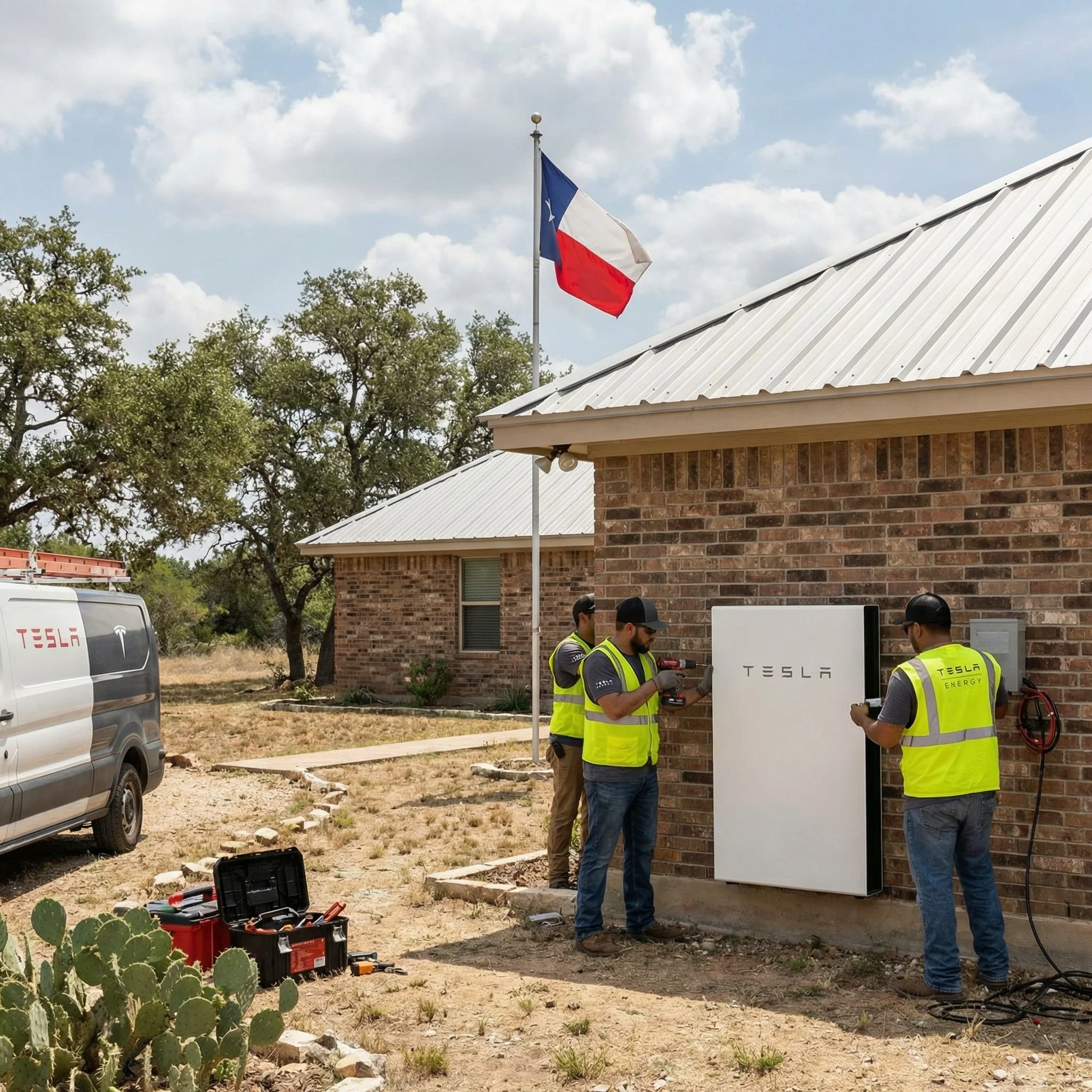
Fix vs Upgrade
Sometimes the system needs repair.
Other times, the system works — but the strategy needs improvement.
Common upgrade paths include:
Inverter replacement
Monitoring upgrades
System expansion
Battery storage integration
Battery storage can help if:
You export significant daytime energy
Buyback credits are low
Evening usage is high
Savings declined despite normal production
Repair restores function.
Upgrades restore value.
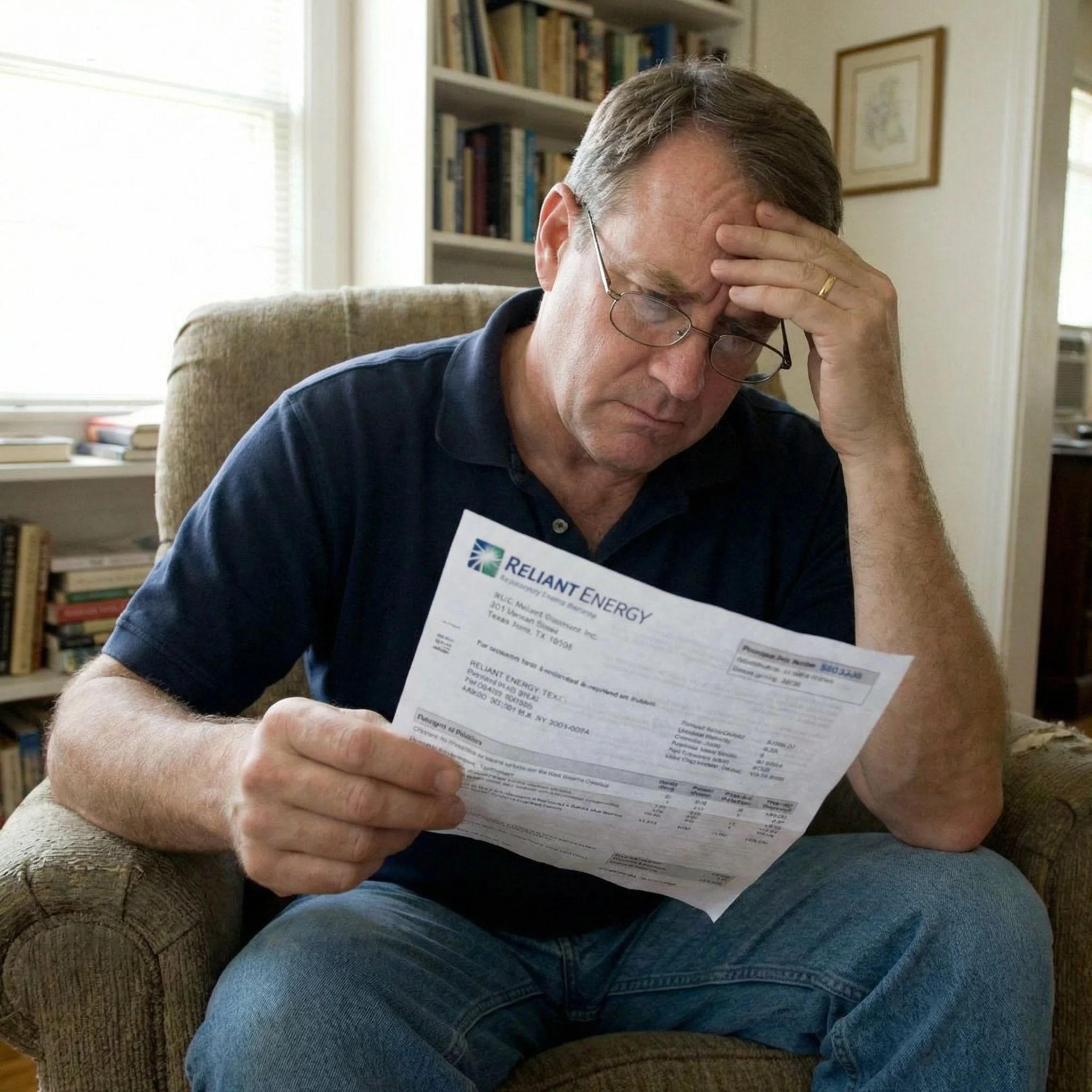
Small Drops Become Bigger Problems
Ignoring underperformance can lead to:
Lost annual production
Extended payback timelines
Equipment strain
Missed warranty windows
If output declined noticeably, early inspection is recommended.
Most issues are correctable when identified early.
-
Compare current production to historical performance for the same season.
-
Not necessarily. Rate changes and usage increases can also cause higher bills.
-
Most residential inverters carry warranties between 10–15 years.
-
Yes, especially in string inverter systems.
-
In most cases, targeted repairs or upgrades are sufficient.