

Solar Battery for Peak Pricing in Texas
If your electricity costs spike in the evening, storage may be the missing piece.
Understanding Time-of-Use & Peak Rates
Many Texas retail providers now offer:
Time-of-use plans
Peak pricing structures
Free nights or free weekends plans
Variable rate models
These plans often charge:
Lower rates during off-peak hours
Higher rates during peak demand (often late afternoon to evening)
In summer months, peak electricity prices can be significantly higher than midday rates.
If your usage spikes after sunset, your bill reflects it.
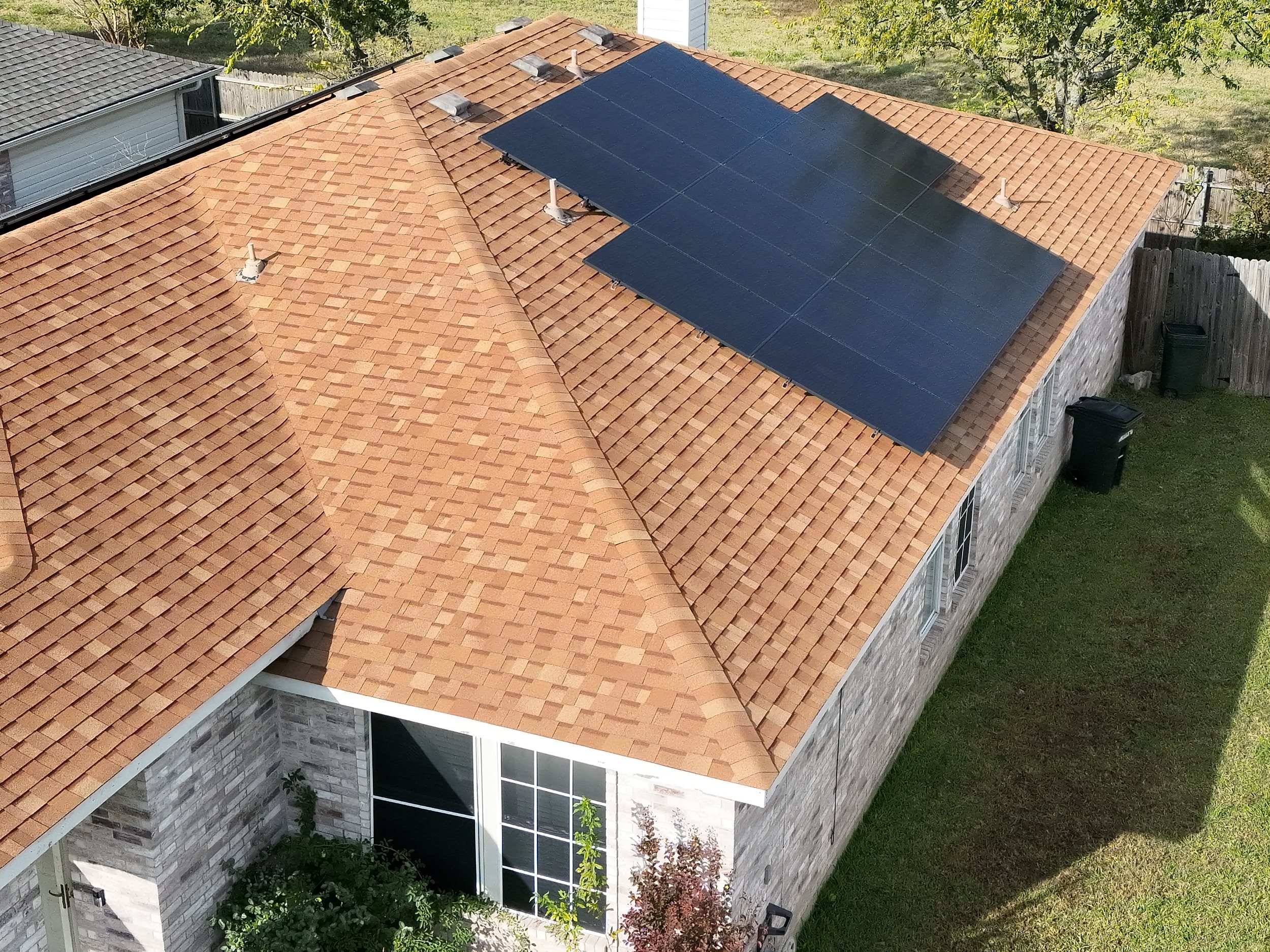
Solar Production Doesn’t Always Align with Peak Rates
Solar panels produce most energy:
Late morning
Midday
Early afternoon
Peak pricing often occurs:
Late afternoon
Evening
After sunset
Without storage:
Excess daytime solar is exported
You buy back power at higher peak rates
If export credits are low and peak purchase rates are high, the spread increases.
You may be producing cheap energy — and buying expensive energy later.
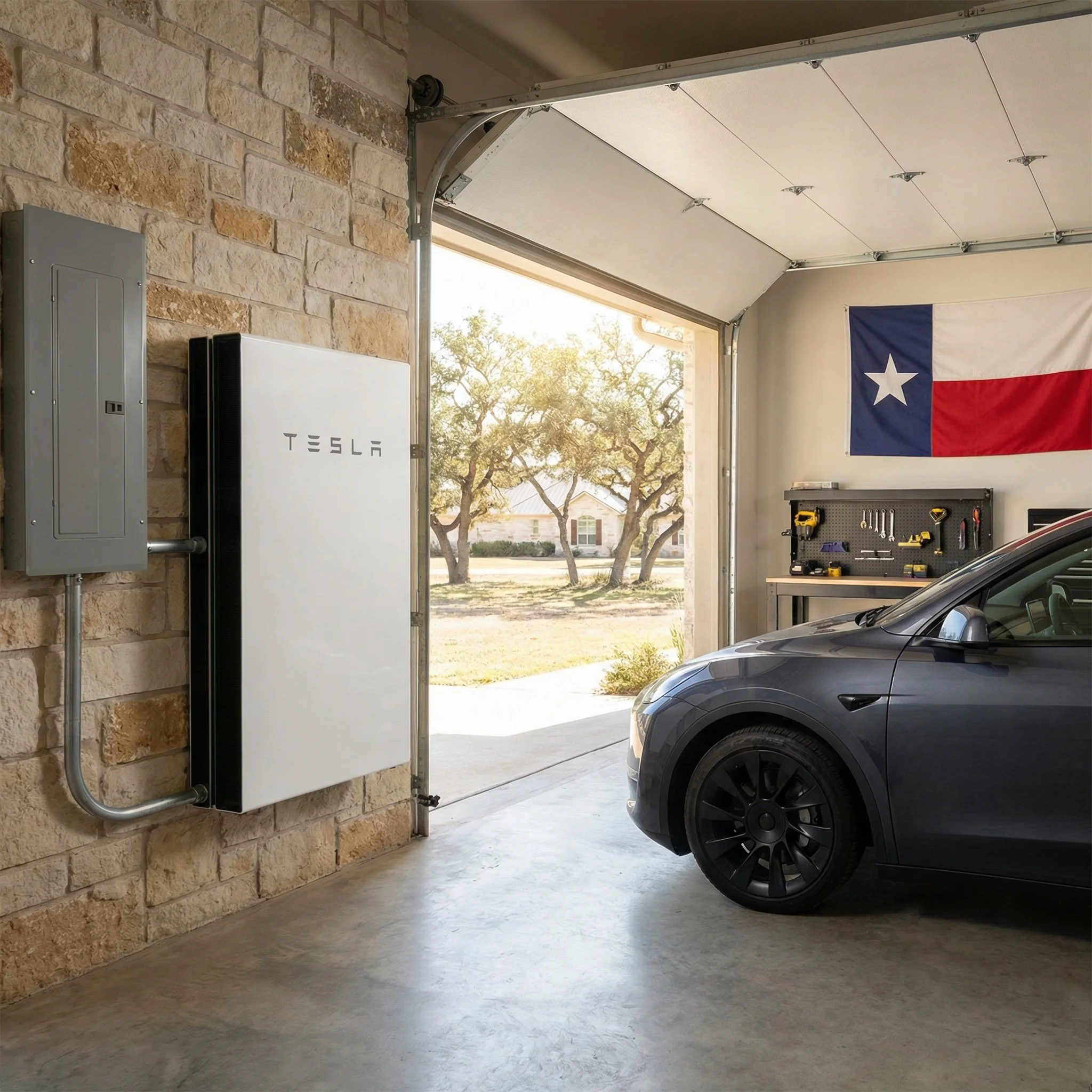
Storage Aligns Production with Peak Usage
A battery allows you to:
Store excess daytime solar
Avoid exporting at low credit rates
Use stored energy during peak-rate hours
Reduce high-cost grid imports
Instead of depending on the grid during expensive periods, you rely on stored production.
This strategy is often called rate arbitrage.
You store low-cost energy and avoid high-cost purchases.
Control timing.
Reduce peak exposure.
Stabilize your bill.
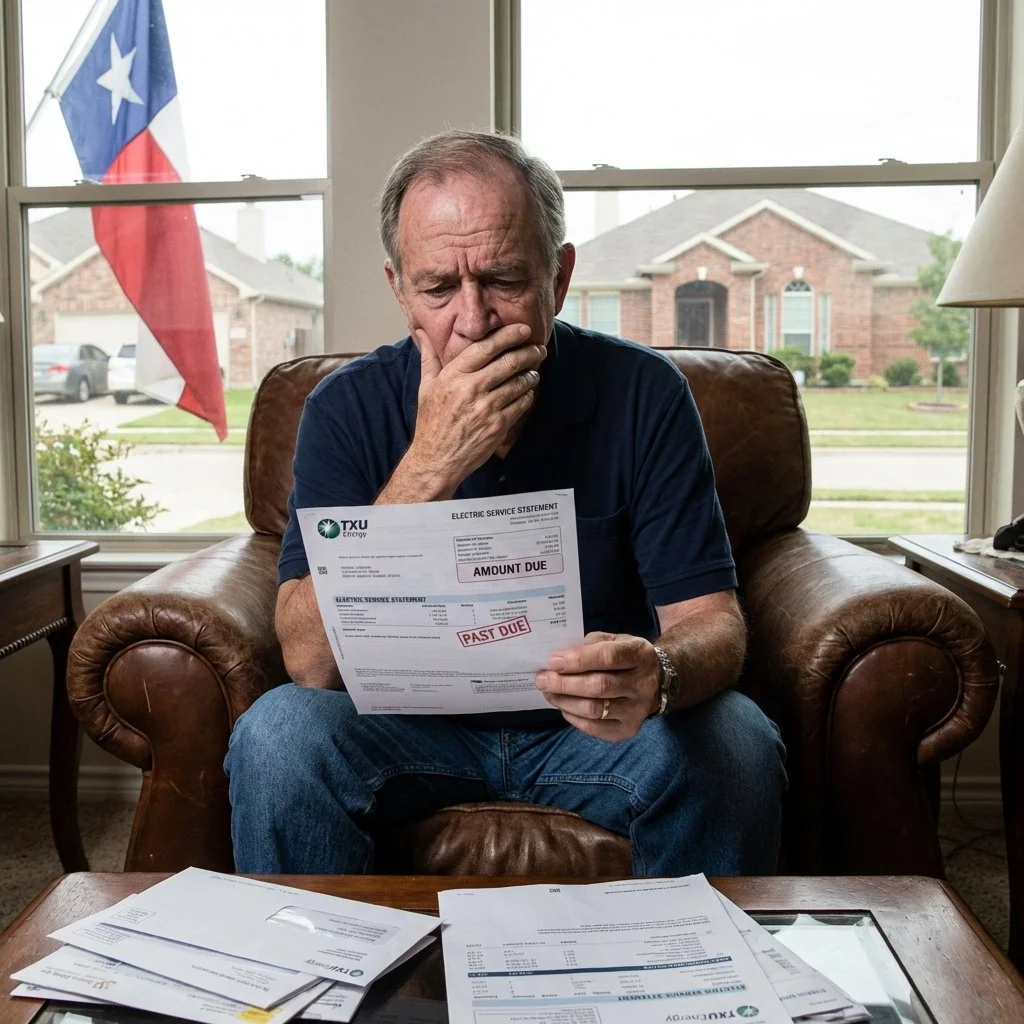
Why Summer Makes Peak Pricing Worse
Texas summers create:
High air conditioning demand
Late afternoon usage spikes
Grid strain
Higher retail rate exposure
Many homes see their largest bills during:
4 PM – 9 PM peak windows
Without storage, that demand comes directly from the grid.
With a battery, that demand can be offset by stored solar production.
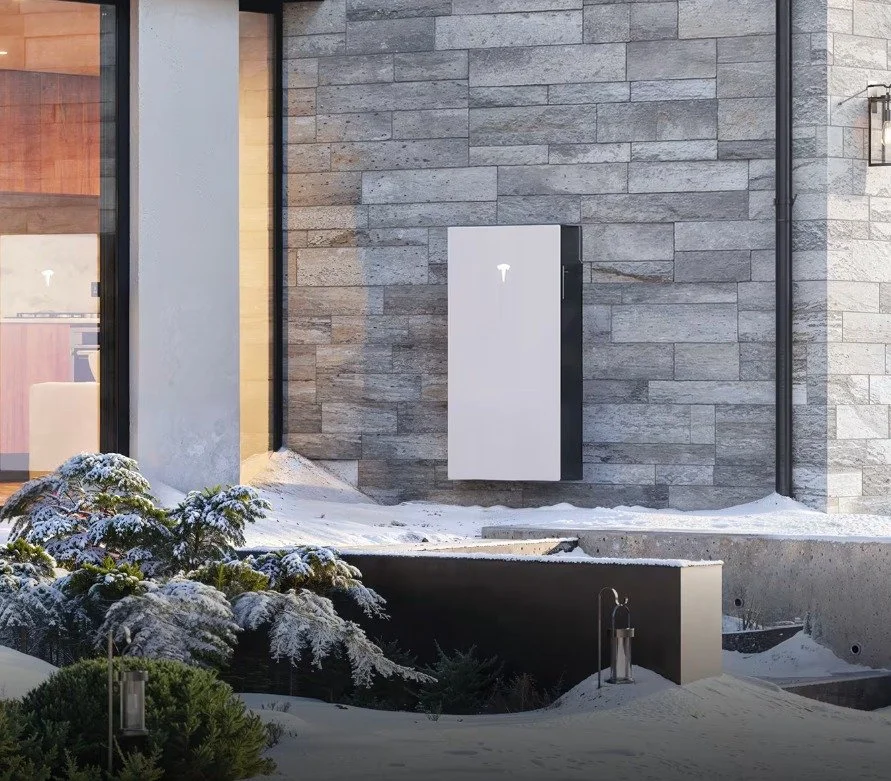
A Battery Makes Sense If You:
Are on a time-of-use plan
Have high evening usage
Run HVAC heavily after sunset
Charge an EV at home
Export significant daytime solar
Have low buyback credits
If your utility bill spikes despite strong solar production, peak pricing may be the reason.
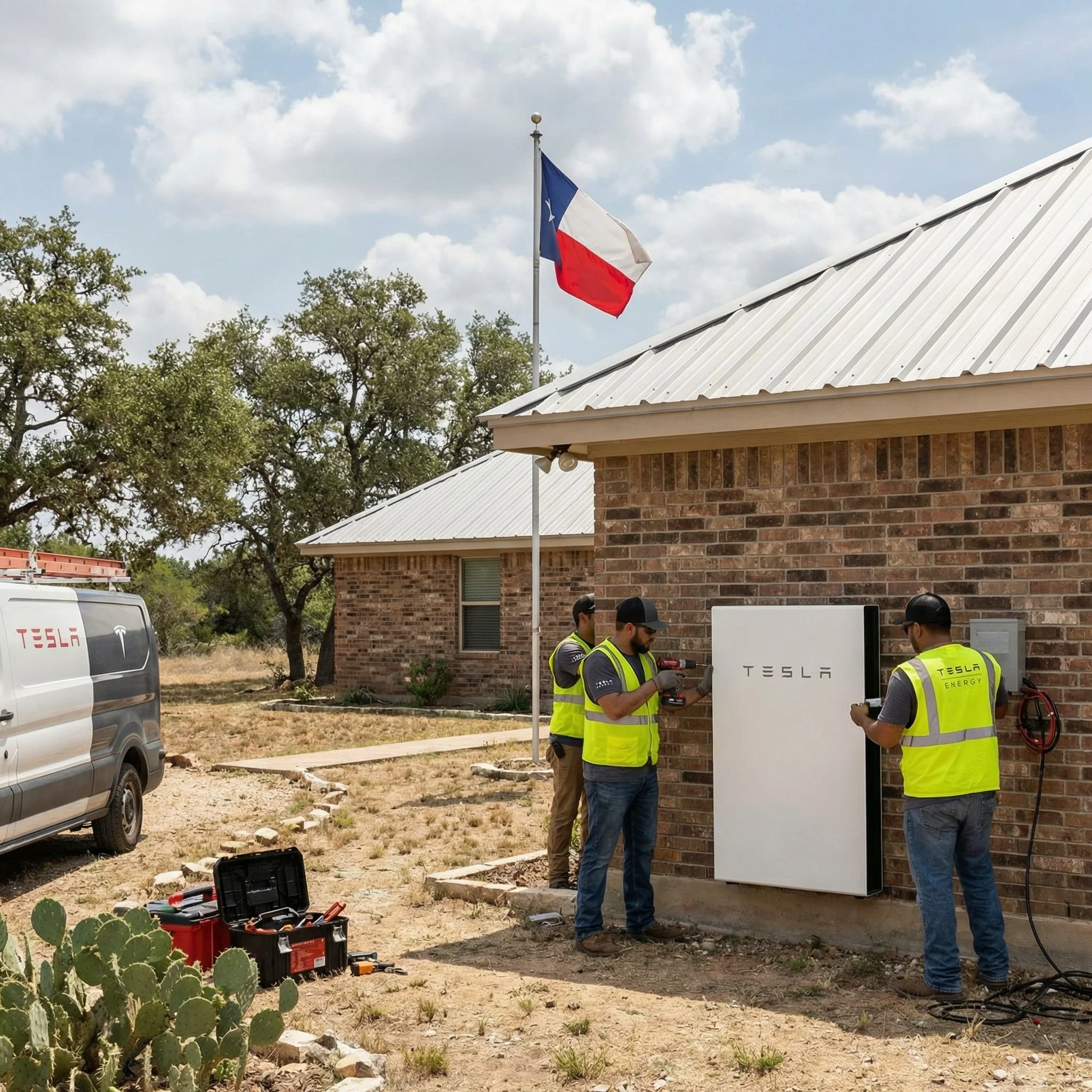
Battery ROI Under Peak Pricing
Battery value increases when:
Peak rates are high
Export credits are low
Evening consumption is heavy
Retail rates fluctuate
Many homeowners also qualify for the 30% Federal Tax Credit on battery systems.
When factoring:
Peak rate avoidance
Reduced export losses
Long-term rate stability
Backup power capability
Battery storage often becomes more than a luxury — it becomes a financial tool.
-
Peak pricing refers to higher electricity rates during high-demand hours, often late afternoon and evening.
-
Not if peak hours occur after solar production drops.
-
Yes, by supplying stored energy during high-rate windows.
-
It depends on peak rate spread and usage patterns.
-
Results vary based on system size and consumption.