
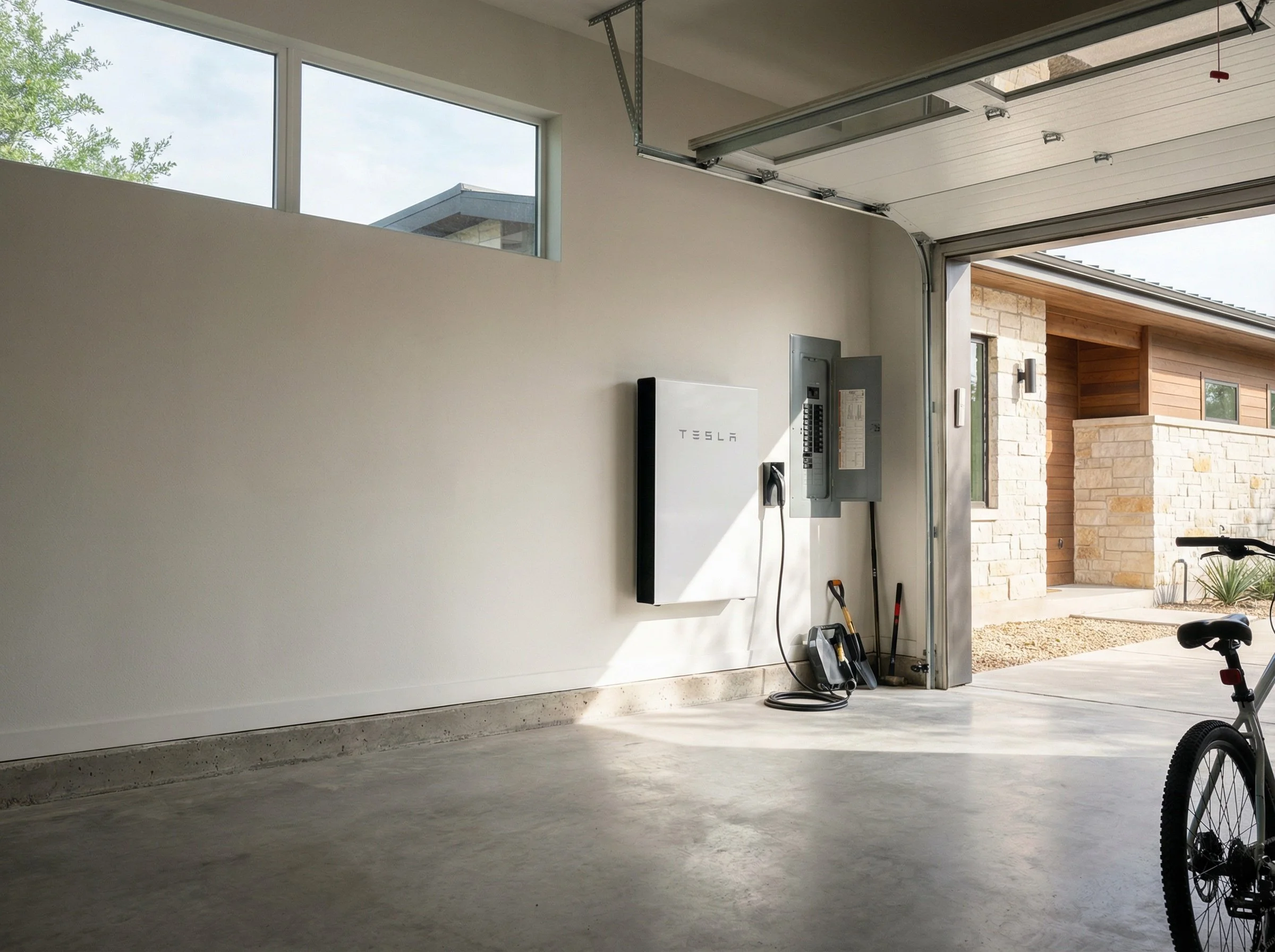
How Irving Solar Homeowners Are Dropping Their Bills to $31
Add a battery, receive a $54 monthly credit, and make your solar system work again.
The Math Behind the $31 Battery Cost
Many Irving homeowners installed solar expecting their electric bill to disappear.
But today many still pay $120, $150, or even $200+ per month because most homes use the most energy after the sun goes down.
The Light Battery Program™ changes how solar works by adding battery storage and pairing it with an electricity plan that includes a $54 monthly battery credit.
Here’s a simplified example.
Typical Solar Home Today
Remaining electric bill: $150/month
With the Light Battery Program™
Battery lease: $85/month
Battery credit: –$54/month
Effective battery cost: ~ $31/month
Instead of exporting solar cheaply during the day and buying power back at night, the battery allows you to store solar energy and use it when your home actually needs it.
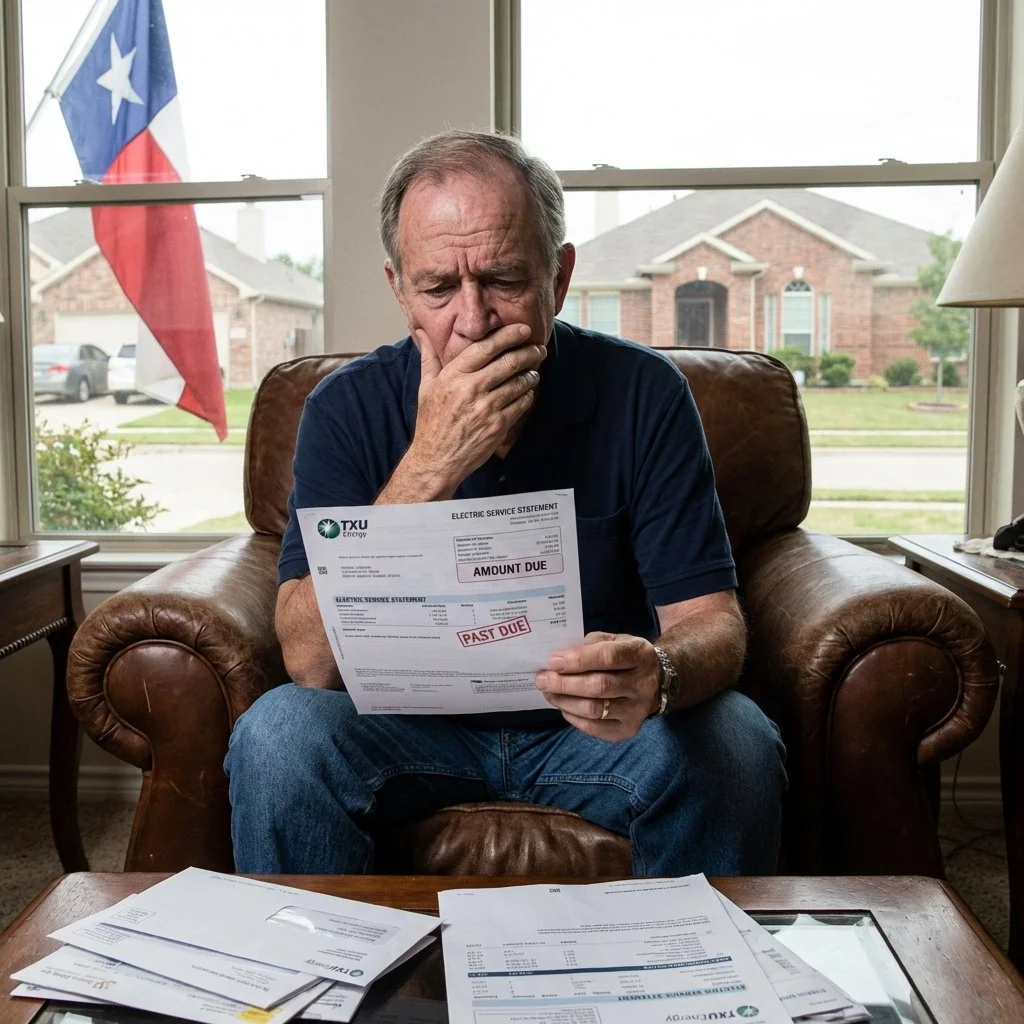
Why Many Solar Homes in Irving Still Have Electric Bills
Across Texas, the original solar math has changed.
Several things happened:
• Solar buyback rates dropped
• Utilities increased delivery charges
• Evening electricity usage increased
• Homes consume the most energy after sunset
Solar panels produce power during the day.
But many homes in Irving use the most energy during the evening for:
• Air conditioning
• Appliances and cooking
• Electronics and entertainment
• Laundry and household activity
• EV charging
That’s why many solar homeowners still have a monthly bill.
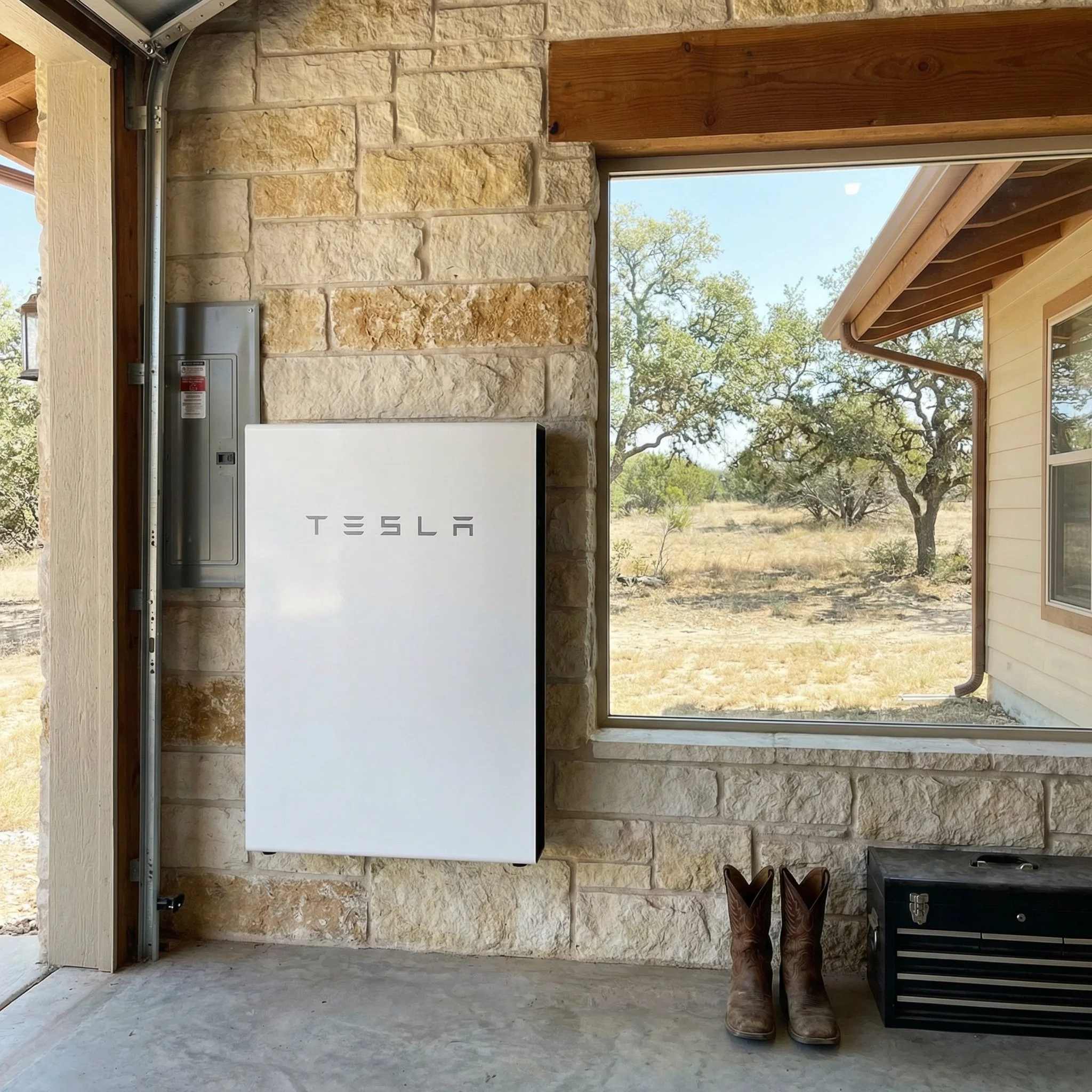
Why More Irving Homeowners Are Adding Batteries
A battery changes how your solar system works.
Instead of exporting extra solar energy during the day, the battery stores it.
This allows homeowners to:
Use solar power at night
Stored solar energy powers the home after sunset when energy use is highest.
Reduce expensive evening energy imports
Electricity pulled from the grid during peak hours is often the most expensive.
Add backup protection
Without a battery, solar shuts off during power outages.
With a battery, your home can stay powered.

A New Way to Upgrade Your Solar System
The Light Battery Program™ was designed specifically for homeowners who already have solar but still pay a monthly electric bill.
The program combines:
• Battery storage
• A participating electricity provider
• A $54 monthly battery credit
• 1:1 net metering under current plan structure
• Backup capability during outages
Most batteries cost around $85–$95 per month depending on configuration.
With the $54 credit, the effective battery cost can drop to around $31/month.
Many homeowners go from paying $150+ per month to around $30–$80 depending on system size.

Before and After Adding a Battery
Before battery installation:
Solar offsets daytime energy
Evening energy is pulled from the grid
Remaining electric bill: $150/month
After adding a battery:
Daytime solar stored in battery
Evening energy powered by stored solar
Battery lease: $85/month
Battery credit: –$54/month
Effective battery cost: ~ $31/month
Actual results vary based on home size, energy usage, and solar production.
But the goal is simple:
Use your solar power when it’s most valuable.
See If Your Irving Home Qualifies for the Light Battery Program™
Not every solar system qualifies.
Our team reviews:
• Solar system size
• Utility provider
• Electric plan
• Energy usage patterns
This allows us to determine if a battery can reduce your remaining electric bill.
Check if your Irving home qualifies today.
-
Storm-related outages, fluctuating buyback structures, and rising evening demand have increased interest in storage solutions.
-
When configured for backup, battery systems can power designated circuits or portions of the home during grid interruptions.
-
The $54 monthly credit is available under the current participating retail plan used within The Light Battery Program™. Eligibility and plan terms are reviewed prior to enrollment.
-
Eligible homeowners enrolled in the participating retail plan receive 1:1 net metering under current plan terms.
-
The Light Battery Program™ is primarily structured as a lease model designed to reduce upfront investment compared to traditional purchase financing.