

Solar Battery vs Generator in Texas: Which Is Better?
When the grid fails, what’s the smarter backup solution for your home?
Generator vs Battery: The Fundamental Difference
A generator produces power by burning fuel.
A battery stores power you’ve already generated or pulled from the grid.
That means:
A generator relies on fuel availability
A battery relies on stored energy
A generator is reactive
A battery is proactive
In Texas, where outages can last days and fuel shortages happen during major events, this distinction matters.

How Each Performs During a Texas Grid Failure
Generator
Runs as long as fuel is available
Requires maintenance
Produces noise
Emits exhaust
May require manual refueling (portable units)
During widespread outages, fuel availability can become limited.
Solar Battery
Automatically activates during outage
Silent operation
No fuel required
No exhaust emissions
Recharges from solar (if paired with panels)
If your home has solar, a battery allows you to continue producing and storing power even while the grid is down.
A generator runs until fuel runs out.
A battery can recharge daily from the sun.
Cost Over Time: Battery vs Generator
Generator Costs
Equipment purchase
Installation
Fuel costs
Ongoing maintenance
Potential repair costs
Fuel expenses increase during prolonged outages.
Battery Costs
Equipment purchase
Installation
Minimal maintenance
Eligible for 30% Federal Tax Credit
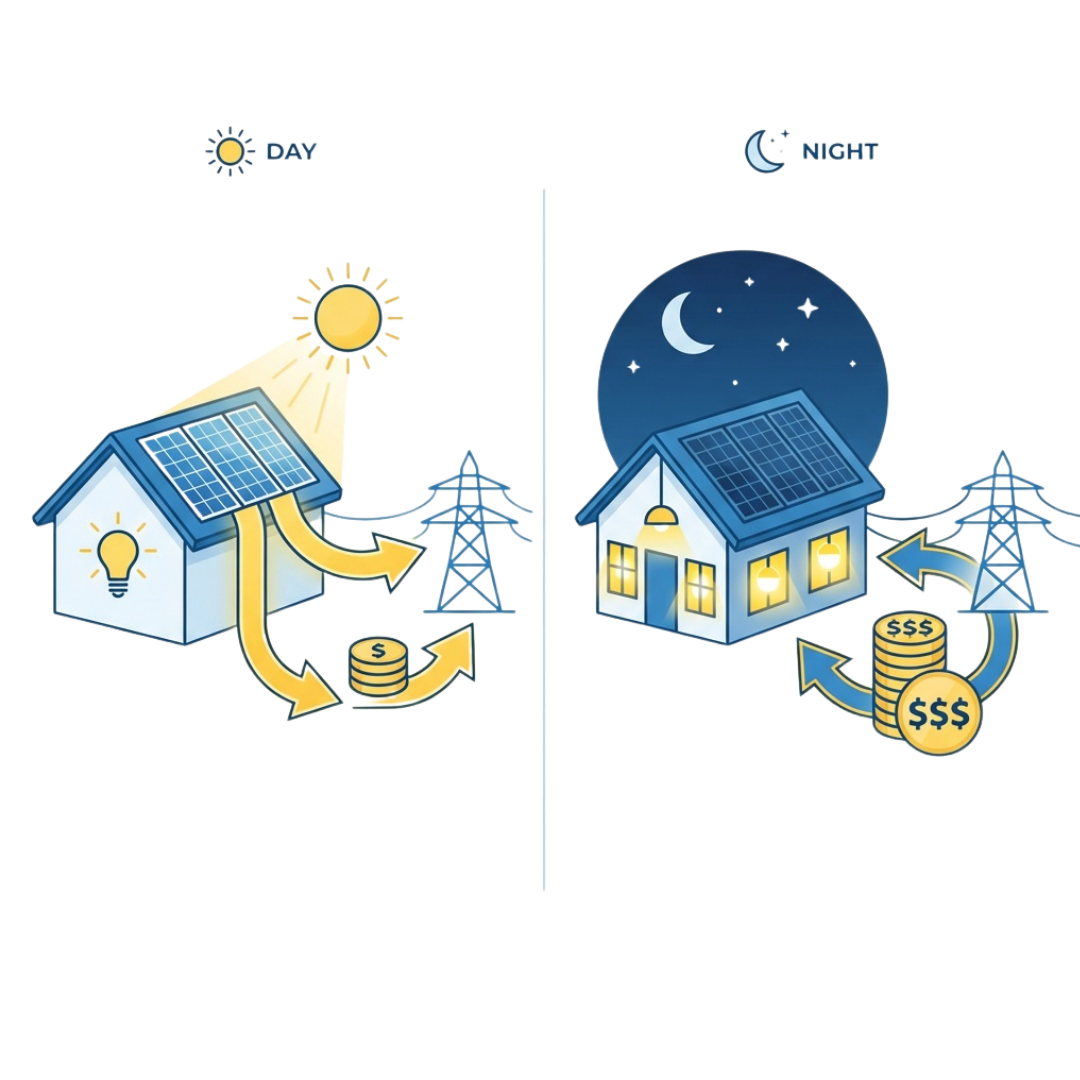
If paired with solar, a battery also:
Reduces peak rate exposure
Lowers reliance on low buyback credits
Stabilizes long-term energy costs
Generators are emergency tools.
Batteries are daily optimization tools.
Do You Want Backup Only — Or Daily Savings Too?
A generator only works when the grid fails.
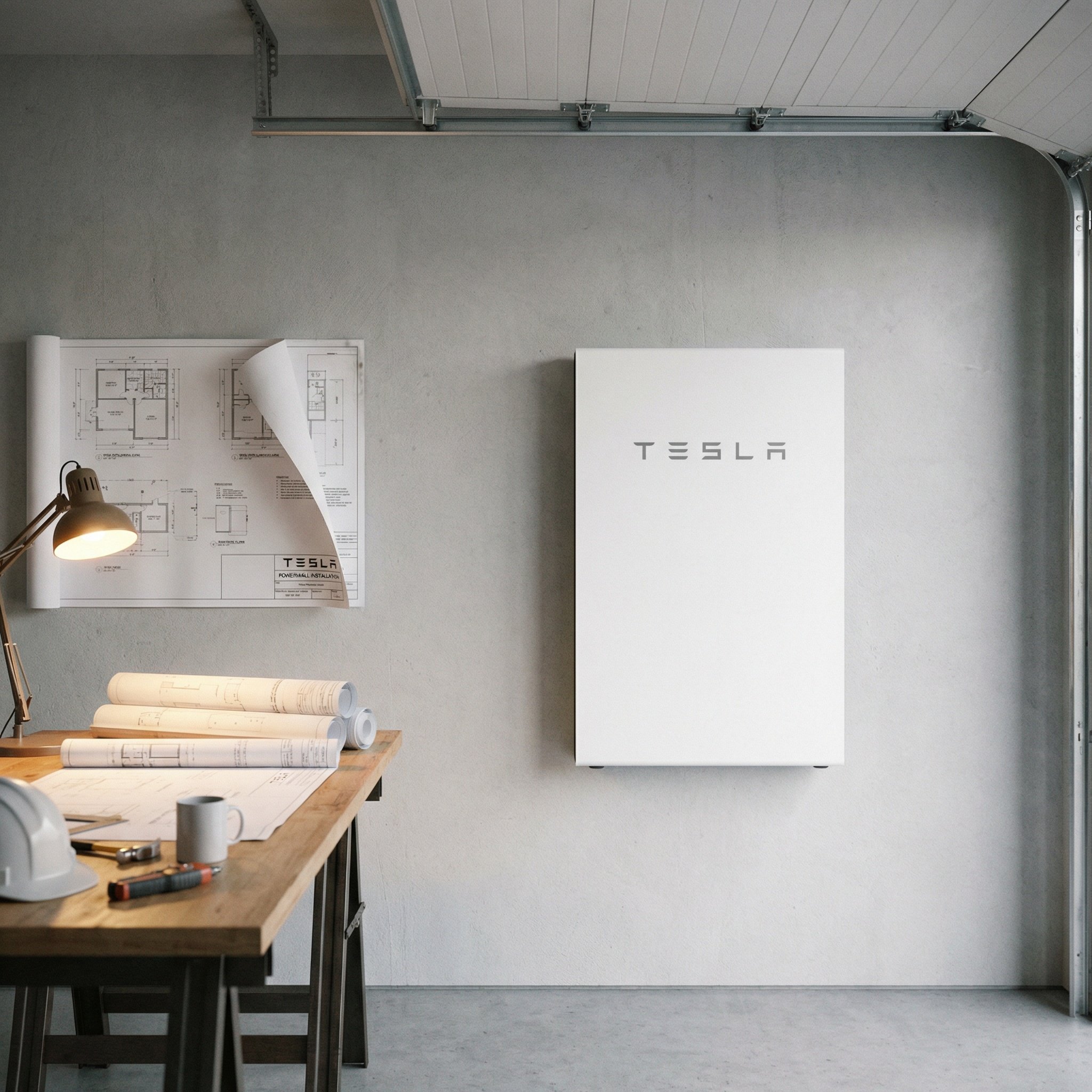
A battery works every day.
With battery storage, you can:
Store excess solar production
Use power during peak rate hours
Reduce grid imports
Protect against buyback rate changes
That means the system adds value even when there isn’t an outage.
A generator sits idle most of the year.
A battery actively improves your energy strategy.
Practical Considerations in Texas Homes
Generators
Require outdoor placement
Produce noise during operation
Need routine maintenance
Require fuel storage or gas connection
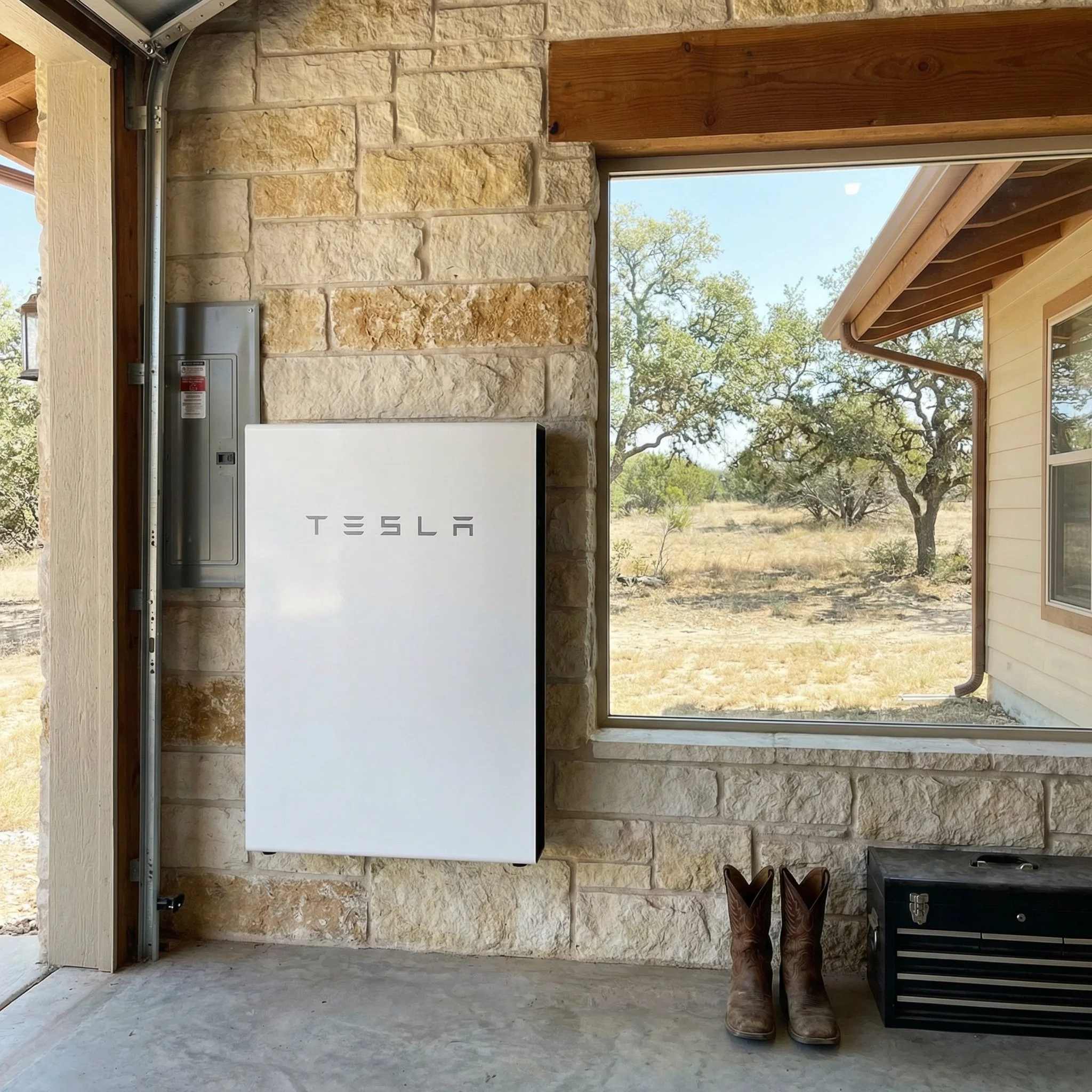
Batteries
Wall-mounted or floor-mounted
Quiet operation
Low maintenance
No fuel storage required
For many homeowners, the convenience factor alone shifts the decision.

When a Generator Makes Sense
A generator may be appropriate if:
You do not have solar
You only want short-term emergency backup
Fuel access is reliable
You prefer lower upfront cost options
When a Battery Makes More Sense
A battery is often the better solution if:
You already have solar
You want long-term savings stability
You want silent, automatic operation
You want to reduce dependence on utilities
You are concerned about buyback rate changes
In Texas, where solar adoption is high and buyback rates fluctuate, battery storage often aligns better with long-term goals.
-
Upfront costs may be lower for some generators, but long-term fuel and maintenance costs add up.
-
Yes. Some homeowners combine systems for layered protection.
-
Depending on configuration and capacity, whole-home backup is possible.
-
If paired with solar, batteries can recharge daily and continue operating.
-
Both systems can operate in Texas climates, but proper installation and system design are critical.