
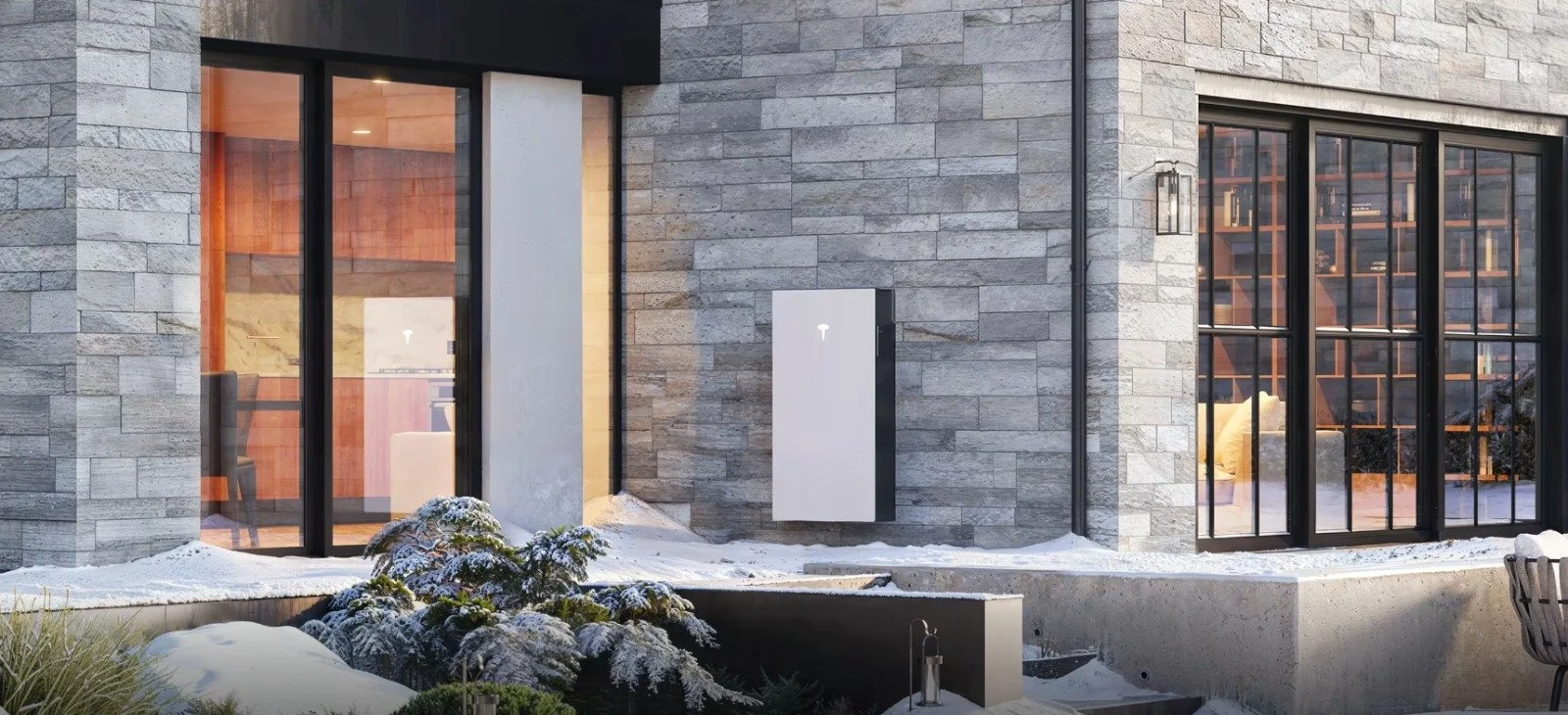
Solar Battery Warranty Guide
Before installing a battery, understand exactly what’s protected — and for how long.
Typical Solar Battery Lifespan in Texas
Most modern lithium-ion battery systems are designed to last:
10–15 years under normal residential use
Thousands of charge/discharge cycles
Daily cycling in solar + storage applications
Texas heat can impact long-term performance if the battery is not installed in a properly ventilated or climate-controlled location.
However, high-quality systems are engineered for:
Daily cycling
High-demand usage
Frequent peak shifting
Backup events
Battery lifespan depends on usage pattern, environment, and installation quality.
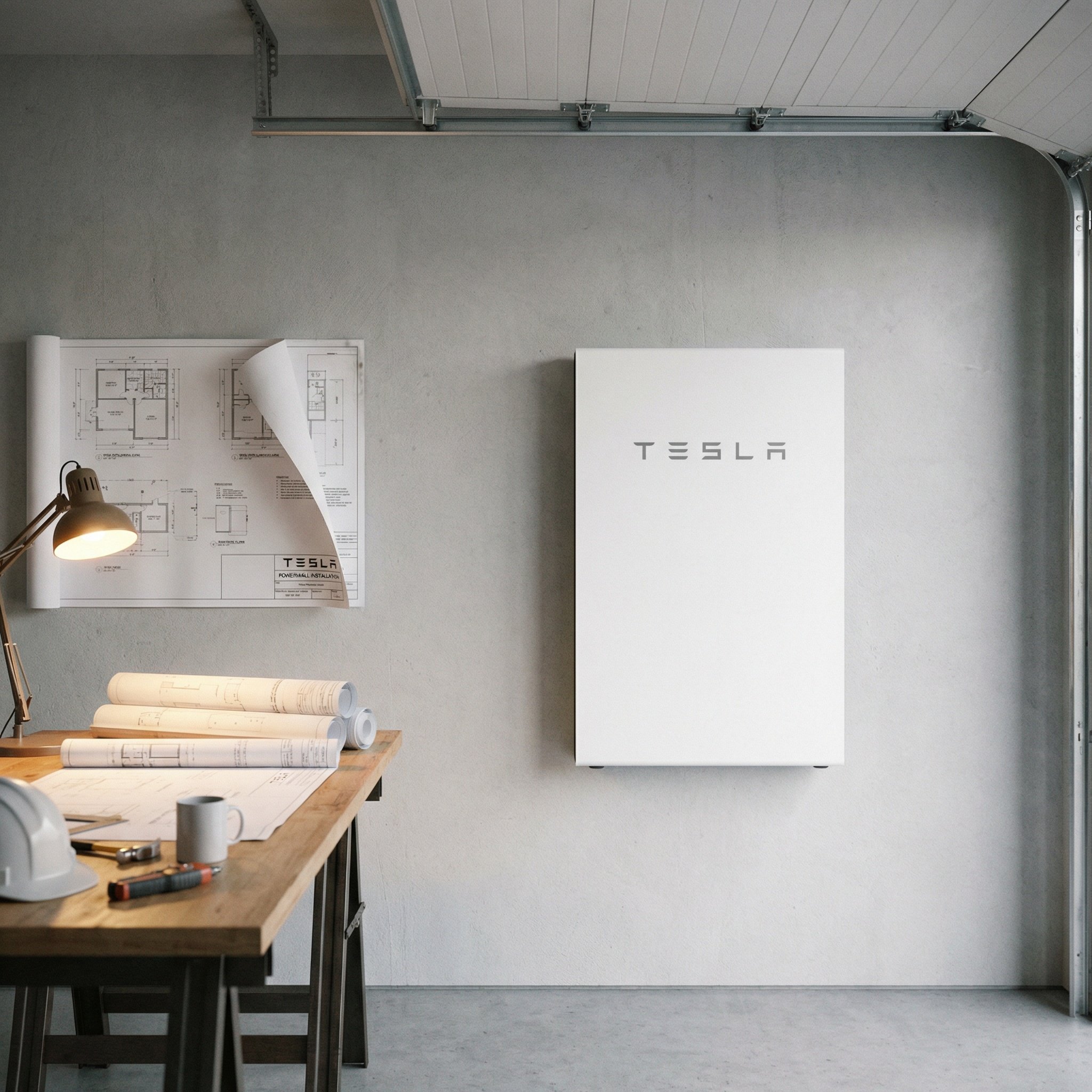
Not All Warranties Are the Same
Most solar battery warranties include:
1️⃣ Product Warranty
Covers defects in materials and workmanship.
Typically:
10 years standard
Covers hardware failure
Covers internal component malfunction
2️⃣ Performance Warranty
Guarantees a minimum energy retention level.
Most warranties guarantee:
60–80% capacity retention at year 10
Or a specified total energy throughput (measured in kWh)
This means your battery may not hold 100% of its original capacity after 10 years — and that is normal.
Gradual degradation is expected. Sudden failure is not.
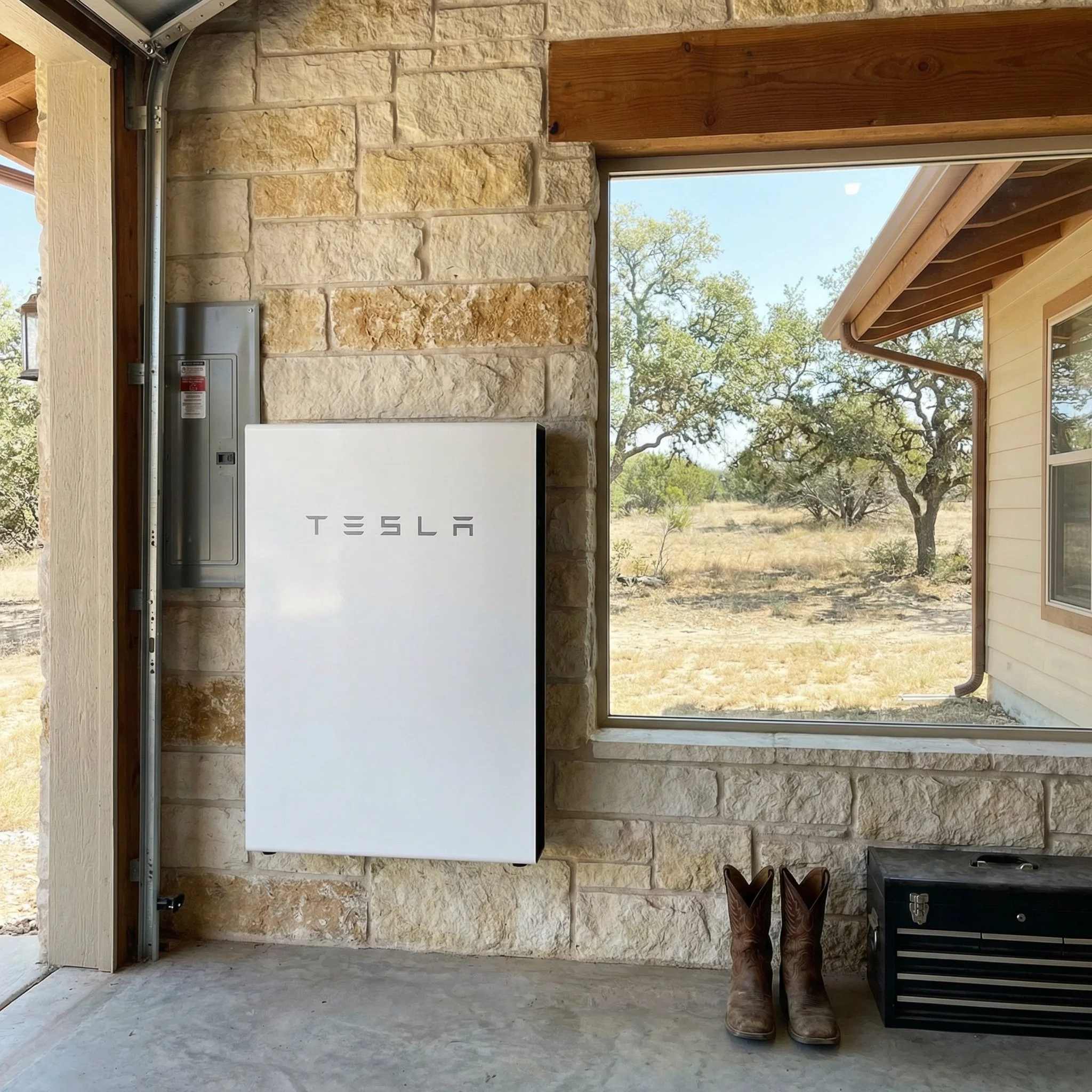
What Battery Warranties Usually Cover
Standard coverage typically includes:
Internal component failure
Battery management system faults
Unexpected capacity drop below warranty threshold
Manufacturing defects
Coverage generally includes:
Replacement parts
Repair or unit replacement
Manufacturer-backed service authorization
However, labor coverage may vary depending on installer agreements.

Common Warranty Limitations
Warranties may be voided by:
Improper installation
Unauthorized modifications
Non-code-compliant wiring
Environmental misuse
Physical damage from external causes
This is why proper, code-compliant installation matters.
Choosing an experienced retrofit company protects warranty integrity.
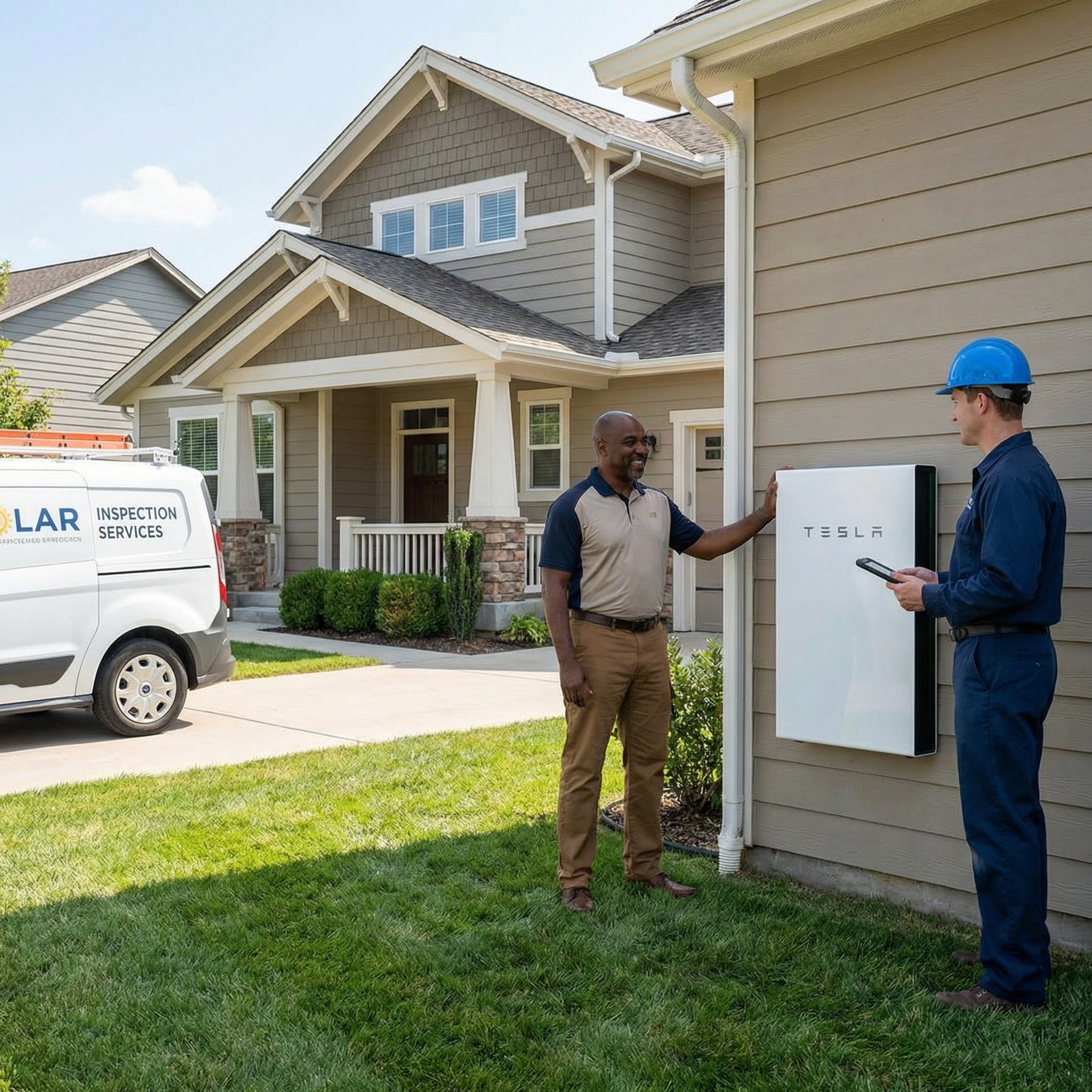
Who Holds the Warranty?
If you:
Purchase with cash → You own the warranty.
Finance with a loan → You own the warranty.
Lease the system → The leasing company typically holds the warranty.
Ownership affects:
Who files claims
Who controls replacement decisions
Transferability during home sale
Ownership gives you control.
Does Texas Weather Affect Warranty?
Texas heat can influence:
Cycle efficiency
Long-term degradation rate
Thermal stress on components
Proper installation includes:
Ventilation planning
Shaded placement when required
Code-compliant spacing
Manufacturer-recommended environment
Professional installation protects both performance and warranty validity.
-
Most major residential battery systems come with a 10-year manufacturer warranty, covering defects and performance guarantees. Some systems extend beyond 10 years depending on throughput limits. Always review both the product warranty and the performance warranty — they are not identical.
-
A 70% capacity warranty means that after a specified number of years (commonly 10), the battery is guaranteed to retain at least 70% of its original usable storage capacity. Gradual degradation is expected in lithium-ion batteries. If capacity drops below the guaranteed threshold within the warranty period, the manufacturer may repair or replace the unit.
-
Manufacturer warranties usually cover the equipment itself. Labor coverage may depend on installer agreements or additional workmanship guarantees. It’s important to confirm whether labor, shipping, and service call costs are included.
-
After the warranty period, replacement or repair would typically be out-of-pocket. However, many batteries continue functioning beyond the warranty term at reduced capacity. Lifespan depends on usage patterns and environmental conditions.
-
Many manufacturer warranties are transferable to a new homeowner, but terms vary. Transferability can add resale value to your property. Always confirm documentation requirements before selling.