

Your Solar Panels Still Work. The Buyback Program Doesn’t.
Texas homeowners are losing hundreds per year due to reduced export credits. Learn the smarter strategy that fixes underperforming solar systems
Solar Buyback Rates Dropped in Texas – Here’s the Fix
If your electric bill went up even though you have solar, you’re not imagining it.
Across Texas, solar buyback rates have quietly dropped. Export credits that once made your system profitable have been reduced, capped, or replaced with plans that no longer reward daytime production the way they used to.
The result?
Homeowners who installed solar expecting $0 bills are now seeing $80, $120, even $200 monthly statements.
Solar isn’t broken.
The strategy is.

What Changed With Texas Solar Buyback Rates?
A few years ago, many Texas homeowners were receiving strong export credits for excess solar power sent back to the grid.
In many cases:
Buyback rates matched retail rates
Excess generation offset night time usage
ROI timelines were predictable
Today:
Export credits are often a fraction of retail rates
Some plans cap how much you can sell back
Free nights plans changed daytime value
Retail providers adjust rates more frequently
If you were previously credited 10–14¢ per kWh and now receive 2–4¢ per kWh, that difference adds up quickly.
Example:
If your system exports 900 kWh per month:
At 12¢ per kWh = $108 credit
At 3¢ per kWh = $27 credit
That’s an $81 monthly swing.
Over a year, that’s nearly $1,000 lost.

Why Solar Alone Doesn’t Work the Same Anymore
Traditional grid-tied solar systems were designed around strong buyback programs.
During the day:
Your panels produce excess energy
You export it
You receive credit
At night:
You pull energy from the grid
Credits offset usage
When export credits shrink, that balance breaks.
Now you:
Sell cheap during the day
Buy expensive at night
The math flips against you.
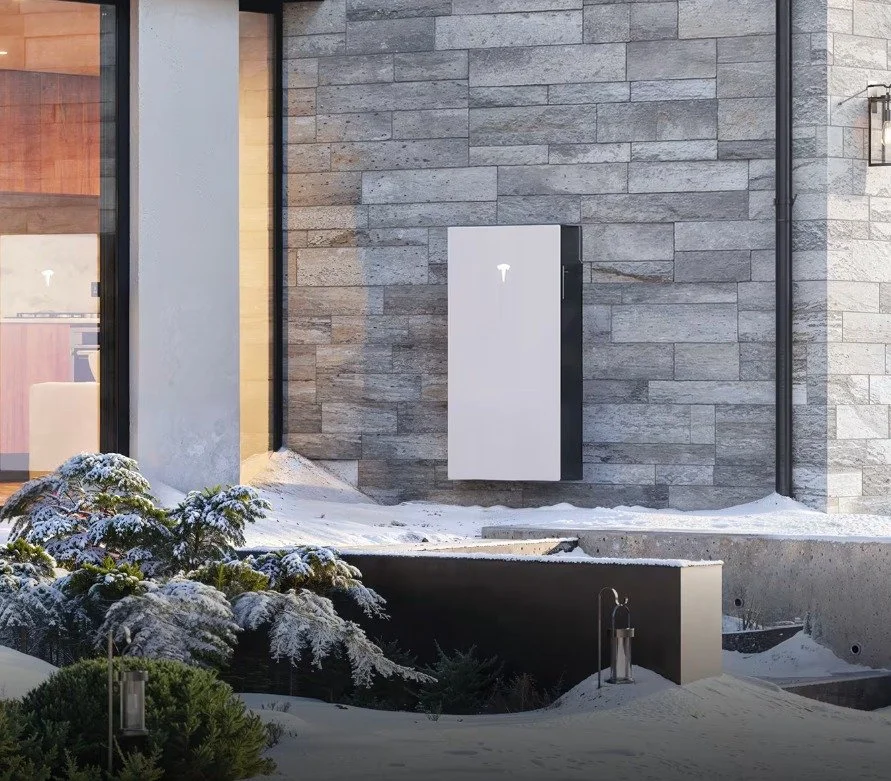
The Smart Fix: Add Battery Storage
Instead of selling your energy to the utility at a discount, you store it.
A battery allows you to:
Store excess daytime production
Use it at night when rates are higher
Reduce peak pricing exposure
Maintain power during outages
Regain control from utility rate changes
This shifts your system from “utility-dependent” to “self-powered.”
You’re no longer relying on changing buyback policies to make your solar system work.
Who This Solution Is For
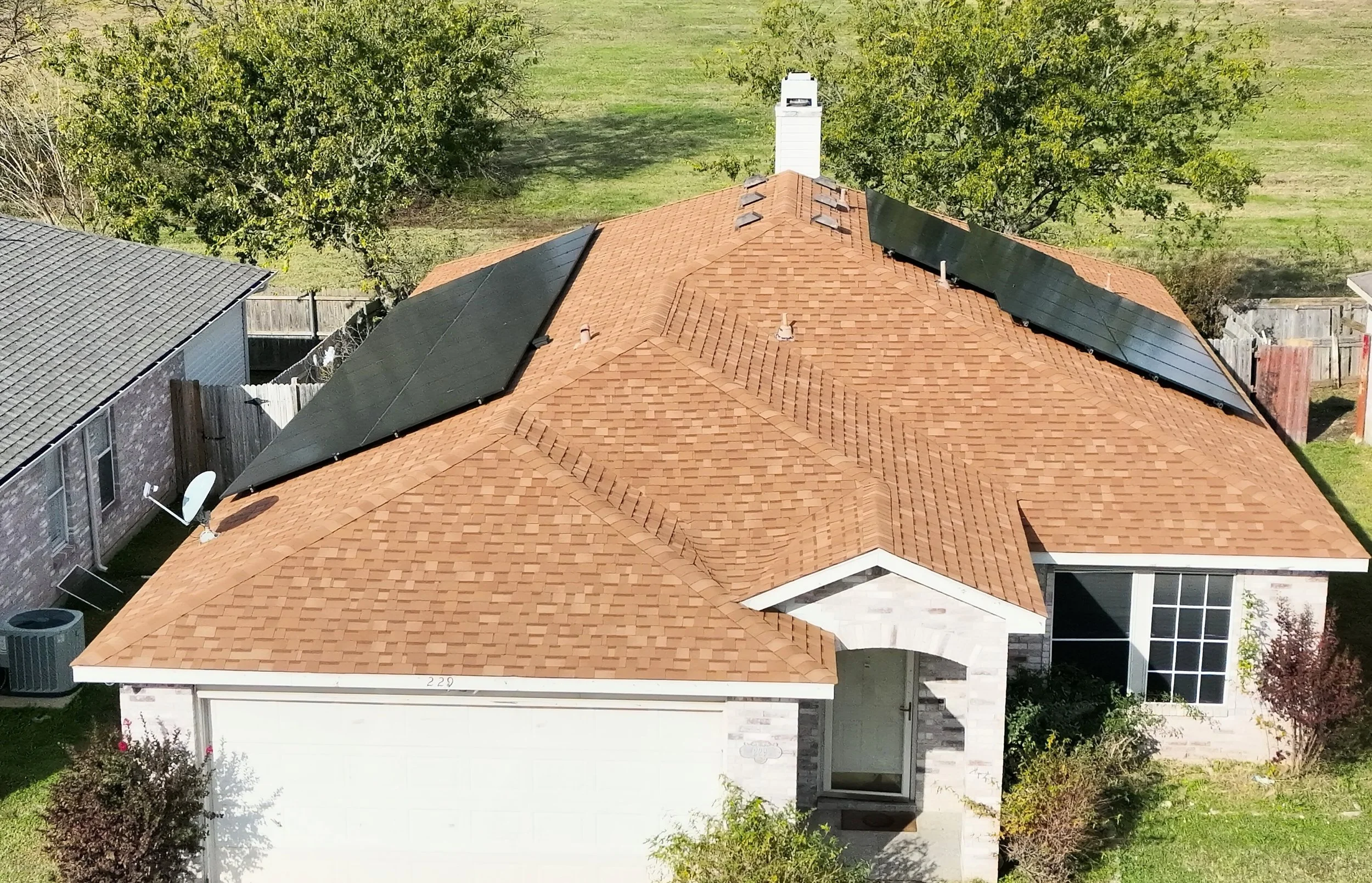
Battery retrofits are ideal if you:
Installed solar between 2000–2026
Recently noticed your bill increase
Switched to a free nights or modified buyback plan
Export significant daytime power
Want outage protection
Feel frustrated with utility policy changes
If your system produces well but your savings dropped, this is almost always a storage strategy issue — not a panel issue.

Can You Add a Battery to an Existing Solar System?
In most cases, yes.
Modern battery systems are compatible with:
Microinverter systems
String inverter systems
Hybrid systems
Many systems installed in the last decade
Installation typically takes 1–2 days and does not require removing your roof panels.
Every system is different, which is why we provide a retrofit compatibility assessment.
How Much Does a Solar Battery Cost in Texas?
Battery pricing varies based on:
System size
Backup load requirements
Electrical panel upgrades (if needed)
Brand selection
However, when factoring:
Reduced grid purchases
Avoided peak rates
Tax incentives
Outage protection value
Many homeowners find the numbers far more attractive than expected — especially compared to losing export value year after year.
We provide a custom savings projection based on your real production data.
-
It depends on system size and usage patterns, but many homeowners significantly reduce or stabilize their bills.
-
Yes, depending on configuration. Critical loads or whole-home backup options are available.
-
Most systems installed in the past 10 years can be retrofitted. We verify during evaluation.
-
Modern lithium-based systems are designed with thermal management systems and manufacturer warranties.
-
Typically 1–2 days depending on configuration.