

Solar Inverter Upgrade in Texas
If your solar system isn’t performing like it used to, your inverter may be the reason.
Your Inverter Is the Brain of Your Solar System
Solar panels generate DC electricity.
Your inverter converts that into usable AC power for your home.
If the inverter:
Faults
Shuts down intermittently
Reaches end-of-life
Is undersized
Is incompatible with storage
Your system underperforms — even if the panels are fine.
No inverter = no usable solar power.
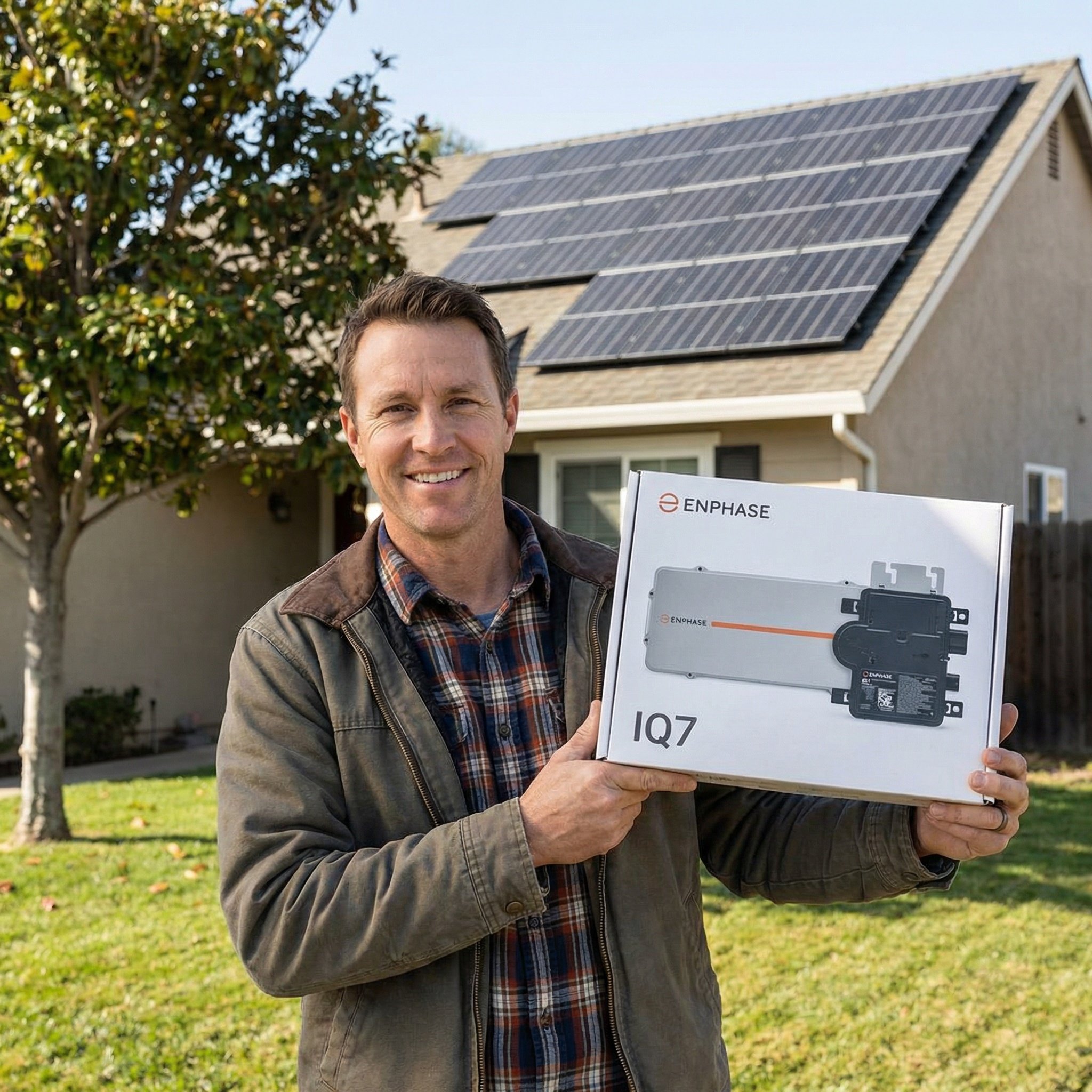
Typical Inverter Lifespan in Texas
Most residential inverters carry warranties of:
10–12 years (standard string inverters)
12–15 years (premium models)
20–25 years (some microinverters)
Texas heat accelerates wear.
High temperatures, humidity, and power fluctuations can shorten lifespan.
If your system was installed between 2010–2016, your inverter may be approaching replacement age.
Even 2017–2019 systems may begin showing performance issues.
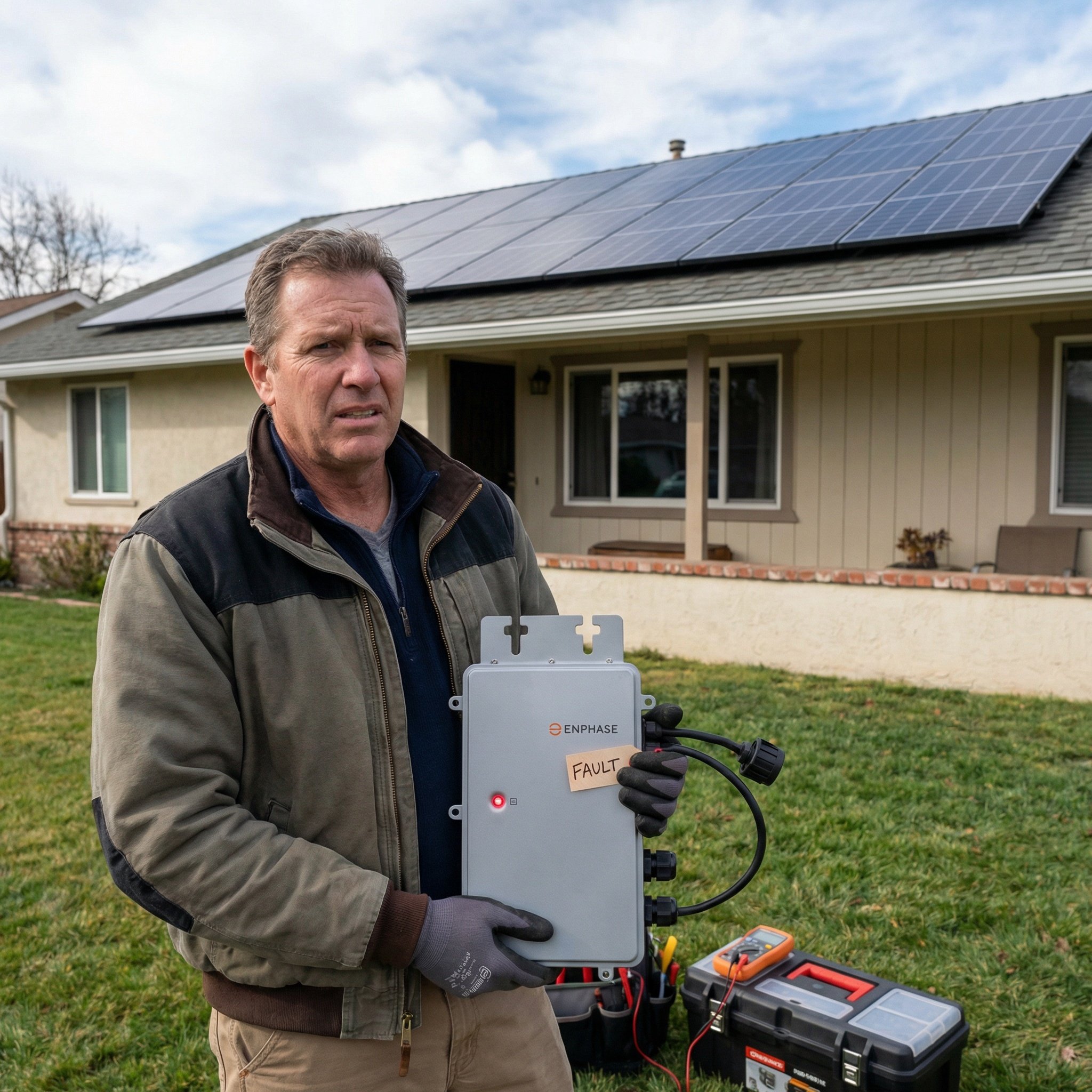
Warning Signs of Inverter Problems
You may need service if:
Production dropped suddenly
Monitoring shows error codes
The inverter displays fault lights
Output is inconsistent
Your bill increased despite strong sunlight
Some failures are obvious.
Others are gradual and reduce output slowly over time.
Silent underperformance is common.

Should You Repair or Replace Your Inverter?
Minor issues may be repairable.
However, replacement often makes sense if:
The inverter is out of warranty
Replacement parts are unavailable
The unit is over 10 years old
You are considering battery storage
Upgrading can:
Restore full system output
Improve monitoring
Increase efficiency
Prepare your system for storage integration
Sometimes an inverter failure becomes an opportunity.
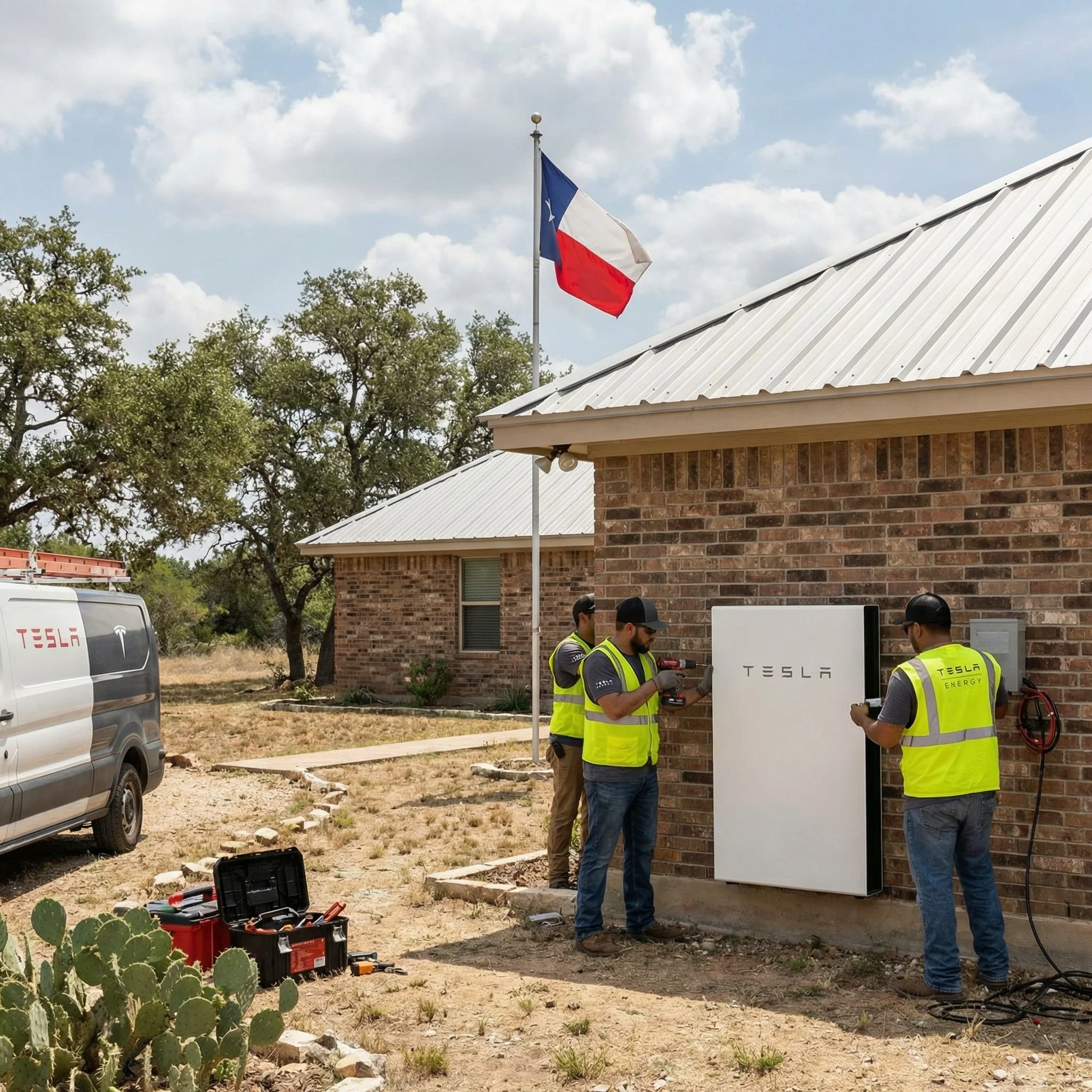
Older Inverters Often Are Not Battery-Ready
Many systems installed before 2020 were not designed with storage in mind.
If you plan to add battery storage, you may need:
A hybrid inverter
A storage-compatible inverter
Additional control equipment
Upgrading your inverter can:
Simplify battery integration
Improve energy management
Reduce export losses
Increase self-consumption
If buyback rates dropped, pairing an inverter upgrade with storage may restore ROI.

What Does a Solar Inverter Upgrade Cost in Texas?
Cost depends on:
Inverter type
System size
Electrical configuration
Monitoring platform
Battery compatibility goals
Replacement typically takes 1 day, depending on complexity.
A proper upgrade includes:
Load review
Electrical inspection
Permit compliance
Monitoring setup
Full system testing
Cutting corners on inverter replacement can reduce system lifespan.
-
Error codes, fault lights, or a sudden drop in production are common indicators.
-
Yes. Many homeowners upgrade specifically to prepare for storage integration.
-
Most replacements are completed within one day.
-
If the inverter is near end-of-life or out of warranty, upgrading is often the better long-term decision.
-
If your current inverter is underperforming or inefficient, yes.