

Solar Panels Not Saving Money Anymore?
If your solar savings dropped, you’re not the only one noticing.
Your Panels Probably Still Work
Most homeowners experiencing lower savings still have systems producing at normal levels.
What changed is not production.
It’s compensation.
If your solar was designed under:
Higher buyback rates
Stable retail pricing
Favorable export credits
And those variables shifted, your financial outcome shifts too.
Solar performance and solar profitability are not the same thing.
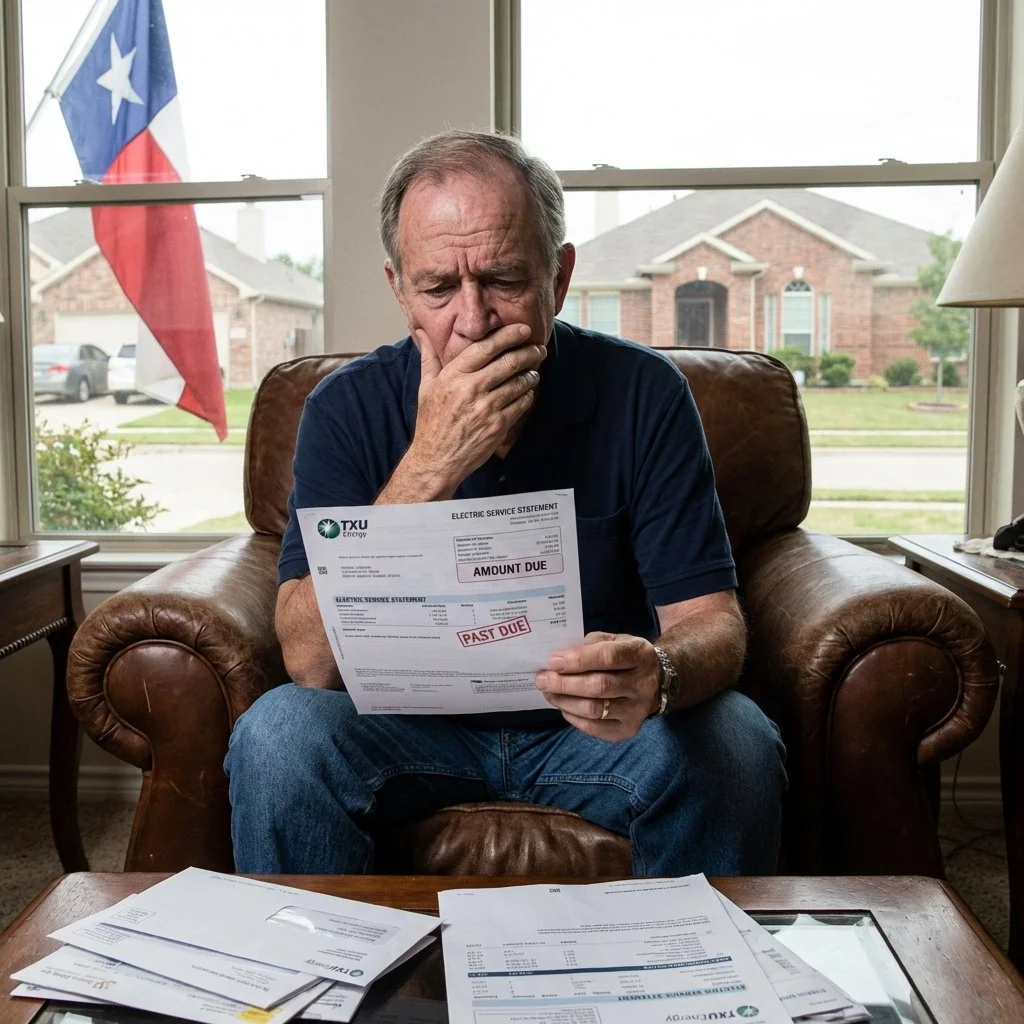
Why Solar Savings Dropped for Many Homeowners
Over the last several years in Texas:
Buyback rates decreased
Export credits moved closer to wholesale pricing
Retail electricity rates increased
Free nights plans altered daytime value
Contract renewals introduced new terms
Several years ago, homeowners commonly received near-retail export credit.
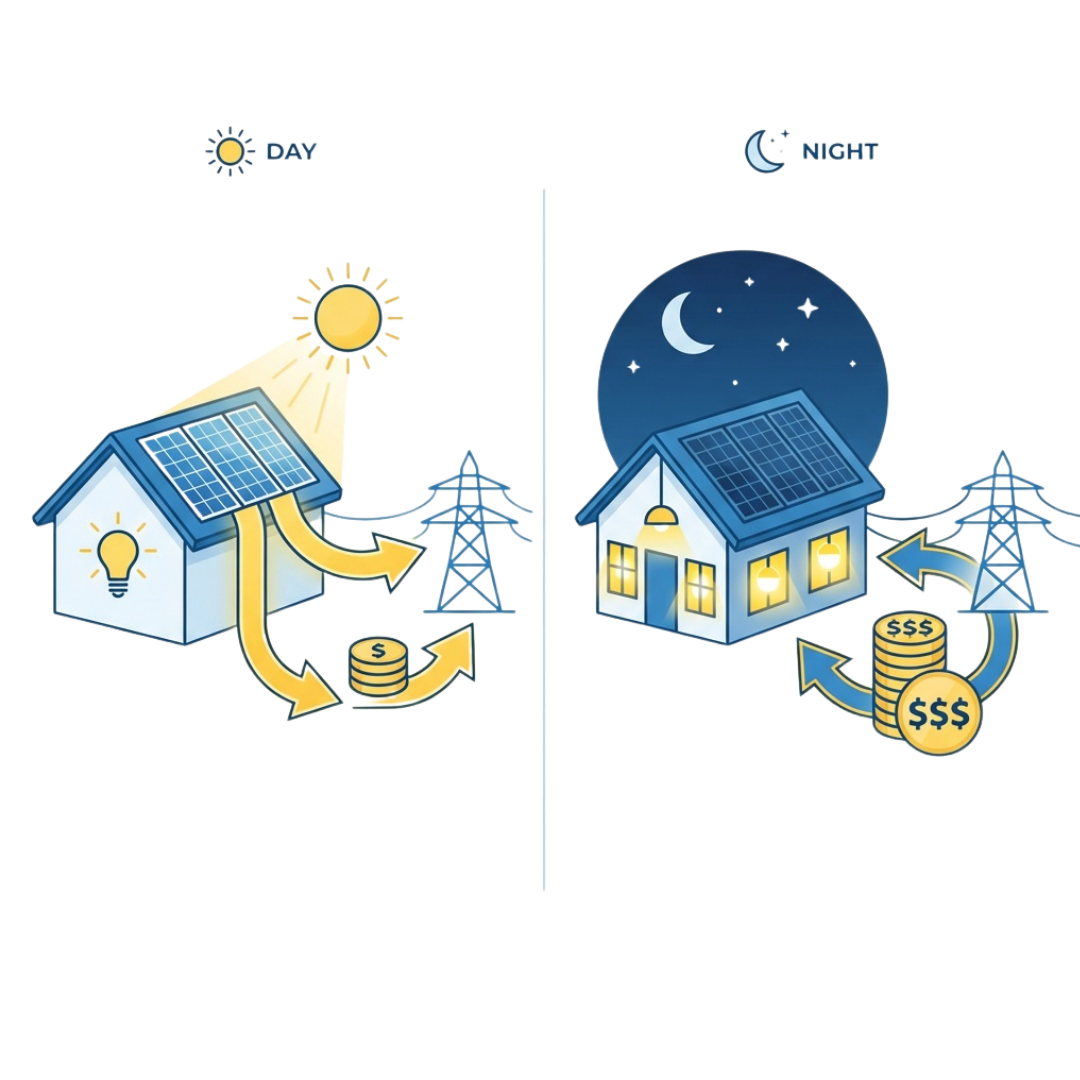
Today, some plans credit as little as 2–5¢ per kWh.
If you purchase electricity at 14–18¢ per kWh, that spread dramatically changes savings.
You are selling low and buying high.
That was not the original promise many homeowners signed up under.
The Expectation Gap
When you installed solar, you likely expected:
Minimal electric bills
Predictable long-term savings
Stable return on investment
If your bill now fluctuates or remains higher than expected, it creates doubt.
But the system may still be performing technically.
The difference is:
The value of exported energy decreased.
That change is subtle but financially significant.

Additional Reasons Savings May Have Declined
Increased Household Usage
New appliances
Electric vehicles
Pool systems
Extended air conditioning
Remote work energy usage
If your consumption increased, your system may no longer offset the same percentage.
Seasonal Cooling Demand
Texas summers are extreme.
High after-sunset cooling demand increases grid imports.
Solar production peaks during daylight.
Without storage, evening demand increases bills.
Rate Plan Changes
Retail plans change at renewal.
If your contract adjusted export credits or retail pricing, your math changed.
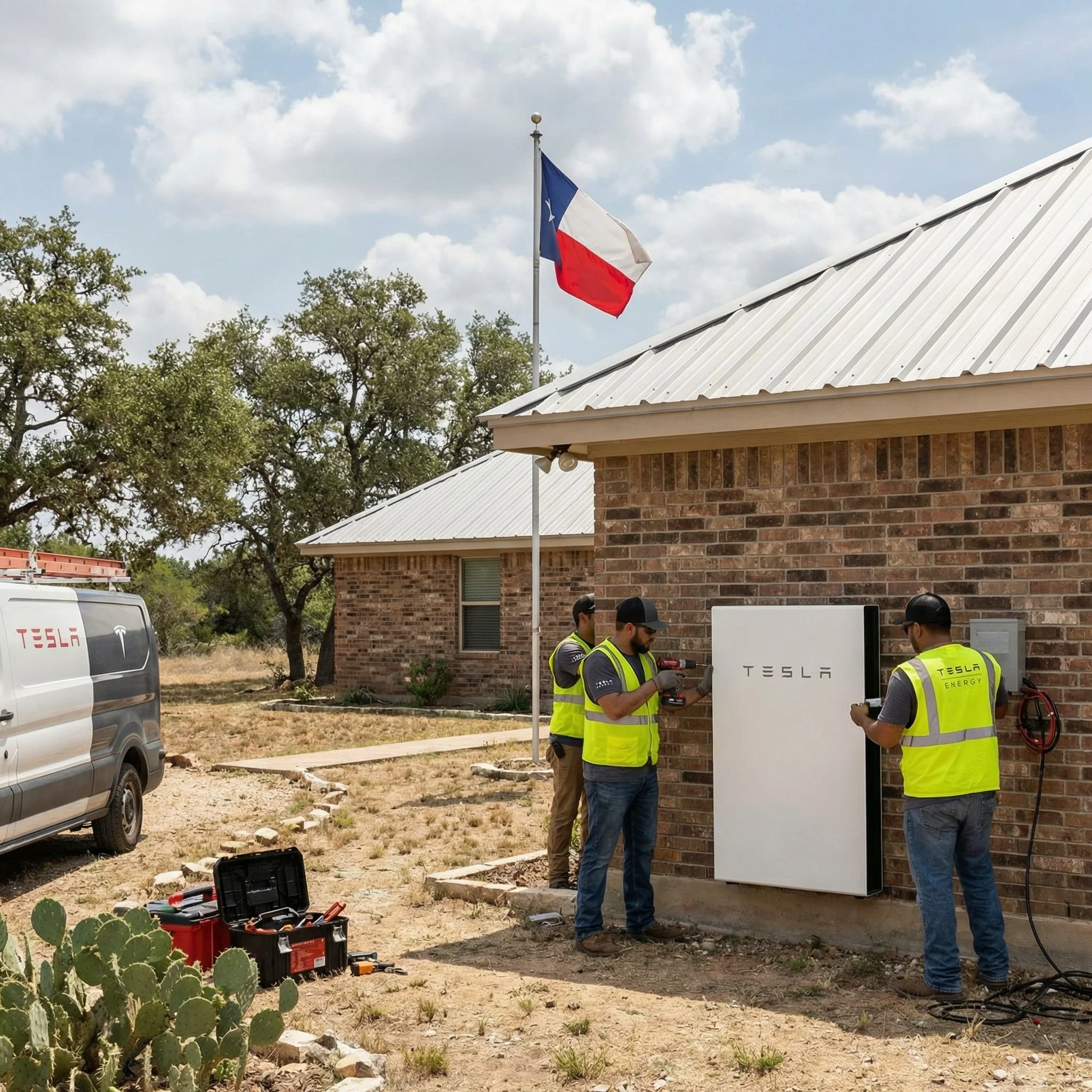
What Texas Solar Owners Are Doing Now
There are three main strategies:
1. Switching Retail Providers
This can temporarily improve export compensation.
However, retail plans are not guaranteed long-term.
2. Reducing Consumption
Energy efficiency upgrades can help lower bills.
But they do not fix low export credit structures.
3. Adding Battery Storage
Battery storage allows homeowners to:
Store excess daytime production
Reduce low-value exports
Use stored energy at night
Offset higher retail rates
Stabilize long-term savings
Instead of relying entirely on buyback credits, you increase self-consumption.
Solar produces.
Storage protects the value of that production.
Is Solar Still Worth It? Yes — But The Strategy Has Evolved
Solar is still one of the most effective long-term energy tools in Texas.
However, maximizing value today often requires:
Careful plan selection
Monitoring export vs import balance
Considering battery storage
Optimizing self-consumption
Solar alone worked extremely well under strong buyback structures.
In today’s environment, storage often completes the system.
-
Most commonly due to reduced buyback credits or retail rate increases.
-
Not necessarily. Compensation structures changed, not panel performance.
-
It may help temporarily, but retail plans can change at renewal.
-
Yes, by increasing self-consumption and reducing low-value exports.
-
In most cases, no. Refining the strategy is typically more effective.