

Solar Without Battery vs With Battery in Texas
Is solar alone still enough — or does Texas now require storage to maximize savings?
Solar Without Battery (Traditional Grid-Tied System)
This is how most Texas systems were installed.
How it works:
Solar produces during the day
Your home uses what it needs
Excess energy is exported to the grid
You receive buyback credits
You pull power from the grid at night
This model worked extremely well when buyback credits were close to retail rates.
Today, that assumption is less consistent.
Your savings depend heavily on export compensation.
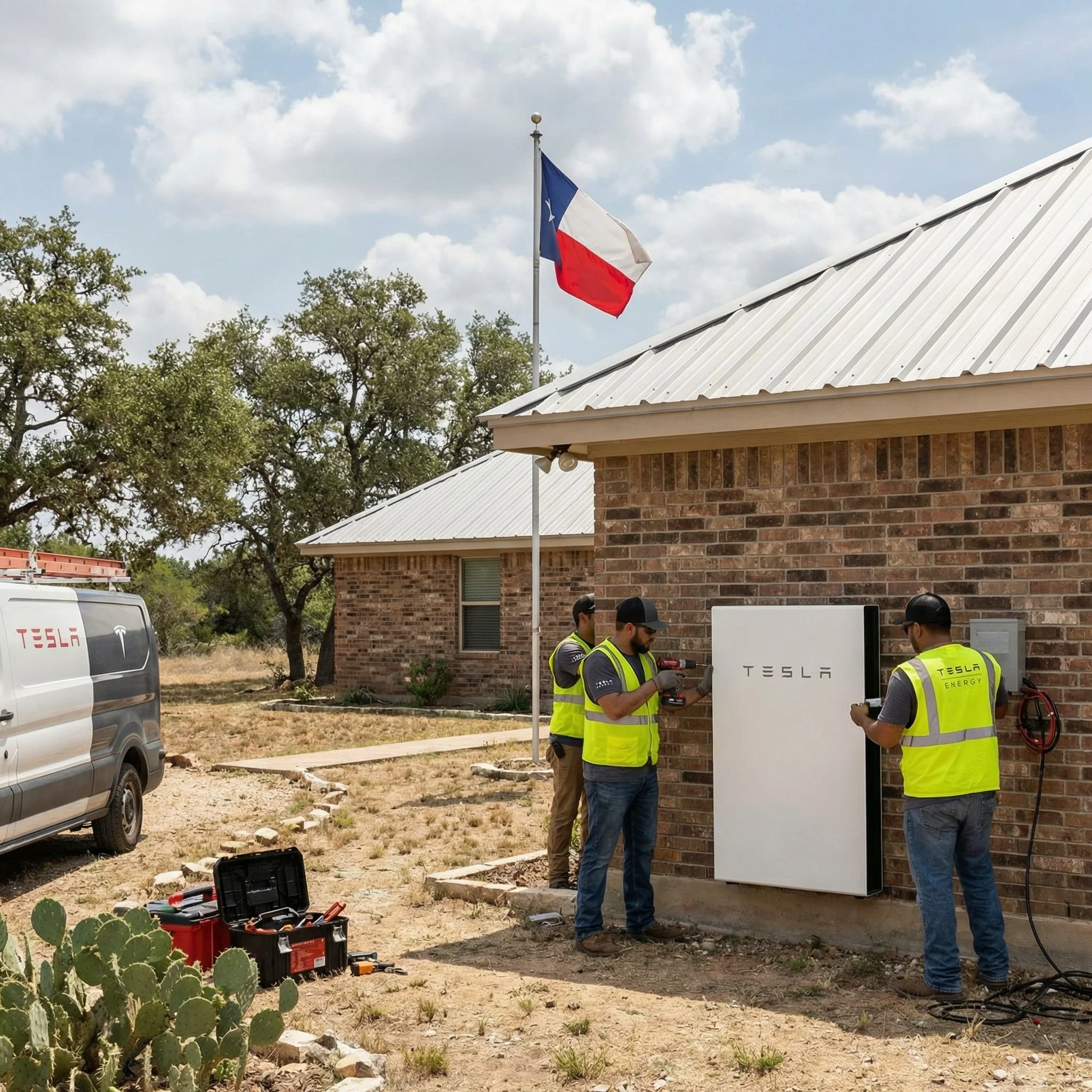
Solar + Battery (Self-Consumption Strategy)
With storage added:
Solar produces during the day
Your home uses what it needs
Excess energy charges your battery
Stored energy powers your home at night
Grid imports are reduced
Instead of selling excess power cheaply and buying it back at higher rates, you keep more of your production.
Savings depend more on usage control than export credit.
Financial Differences in Today’s Texas Market
Solar Without Battery
Works best when:
Buyback rates are strong
Retail rates are stable
Daytime usage matches production
Evening consumption is low
Challenges in 2026:
Export credits in some plans are 2–5¢ per kWh
Retail rates often exceed 14¢ per kWh
Plan structures change at renewal
This creates a spread between what you sell and what you buy.
Solar With Battery
Benefits in the current environment:
Increased self-consumption
Reduced exposure to low export credits
Offset higher-rate evening usage
More predictable ROI
Instead of depending on retail policies, you depend more on your own production.
Battery shifts control from the utility to the homeowner.
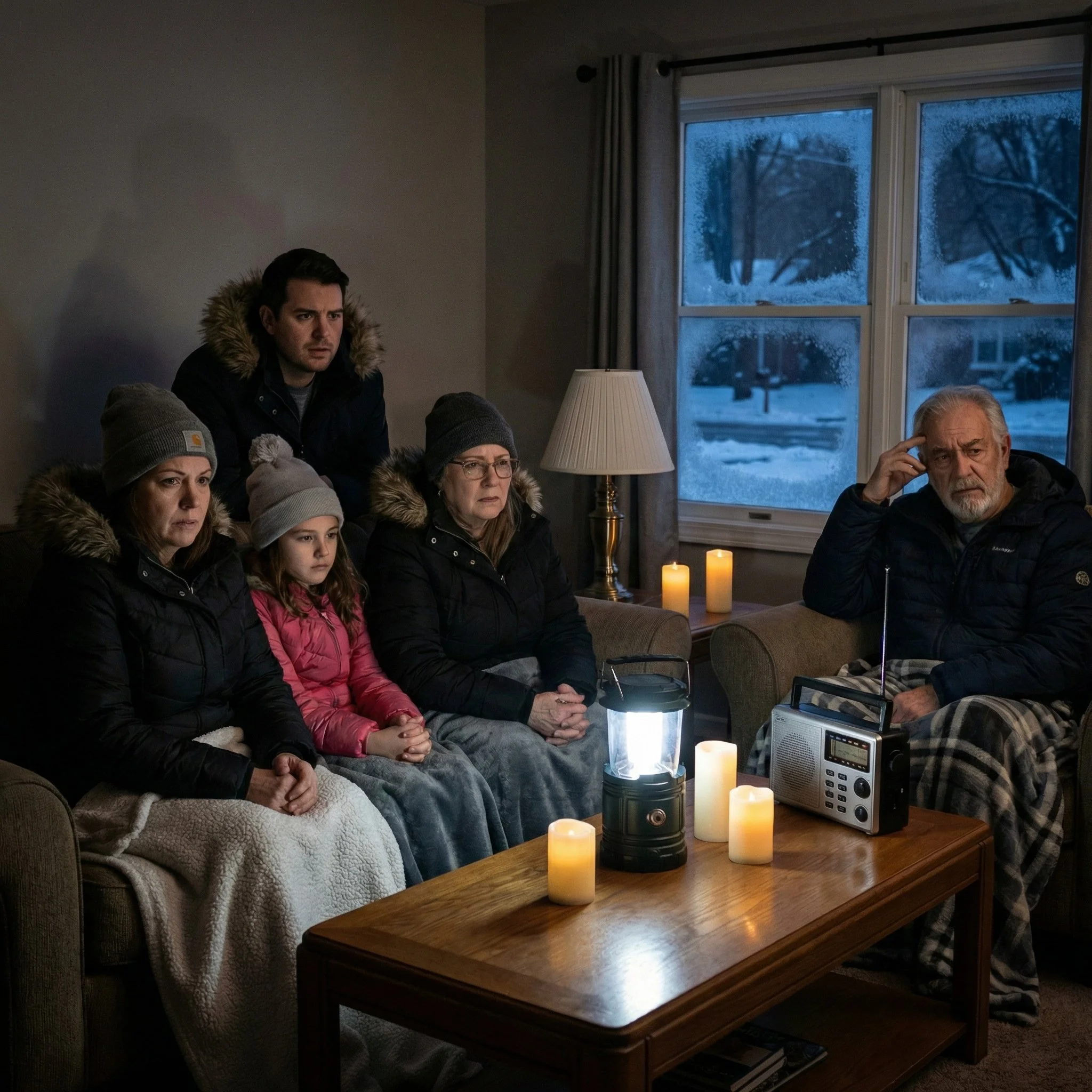
What Happens During a Power Outage?
Solar Without Battery
System shuts down
You lose power
Solar does not operate during grid failure
This is required for safety and grid protection.
Solar With Battery
System detects outage
Disconnects from grid
Powers your home or critical loads
Can recharge from solar during daylight
In Texas, where storms and grid events occur, this difference matters.
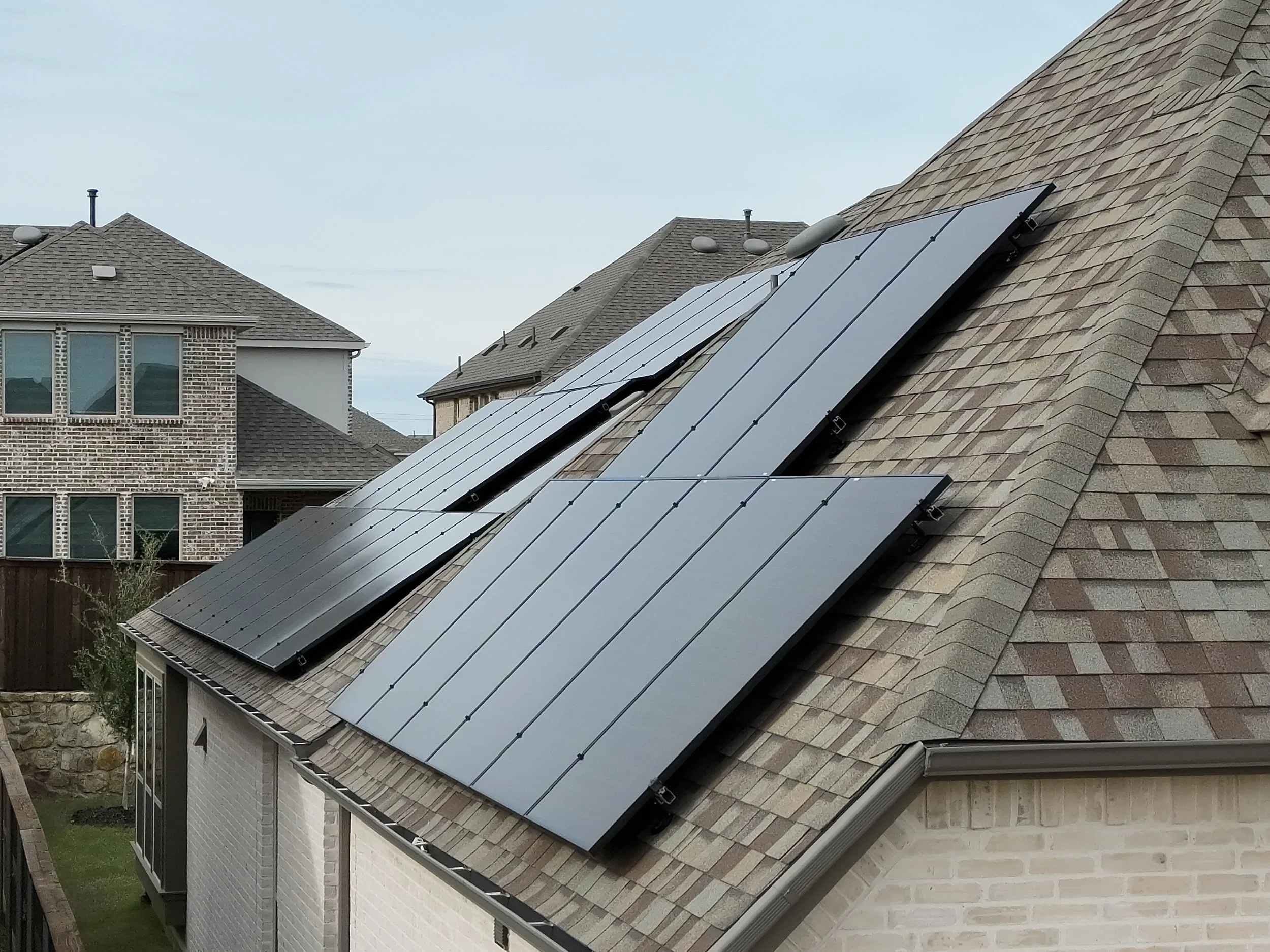
Solar Without Battery May Be Enough If You:
Have strong buyback rates
Use most energy during daylight
Have low evening consumption
Are not concerned about outage protection
Prefer lower upfront cost
Solar alone still reduces energy costs.
But it remains dependent on export policy.

Solar + Battery Makes Sense If You:
Export significant daytime production
Have high evening usage
Saw buyback credits decline
Want outage protection
Want long-term rate stability
Want more control over savings
In today’s Texas market, many homeowners are moving toward storage not because solar failed — but because the environment changed.
Solar produces.
Storage protects value.
-
No. Solar can operate without storage. However, storage may improve savings depending on rate structure.
-
Yes, but savings may be more dependent on buyback credits.
-
Results vary based on usage and system size.
-
In many cases, yes. Compatibility depends on inverter type and electrical configuration.
-
Yes, its actually a need.