

Case Studies: Texas Battery Installations
Real Texas homeowners. Real grid conditions. Real results.
CASE STUDY #1 — Buyback Rates Dropped
Houston Homeowner – Restoring Savings After Buyback Changes
Situation:
Installed solar in 2019
Originally received strong export credits
Buyback rates dropped to low single-digit cents per kWh
Bill increased despite normal production
The system was producing correctly.
The compensation structure changed.
Problem:
Selling solar power cheaply
Buying back at higher retail rates
Increasing frustration
Solution:
Added battery storage
Increased self-consumption
Reduced low-value exports
Result:
Lower peak imports
Stabilized monthly billing
Reduced dependence on retail plan changes
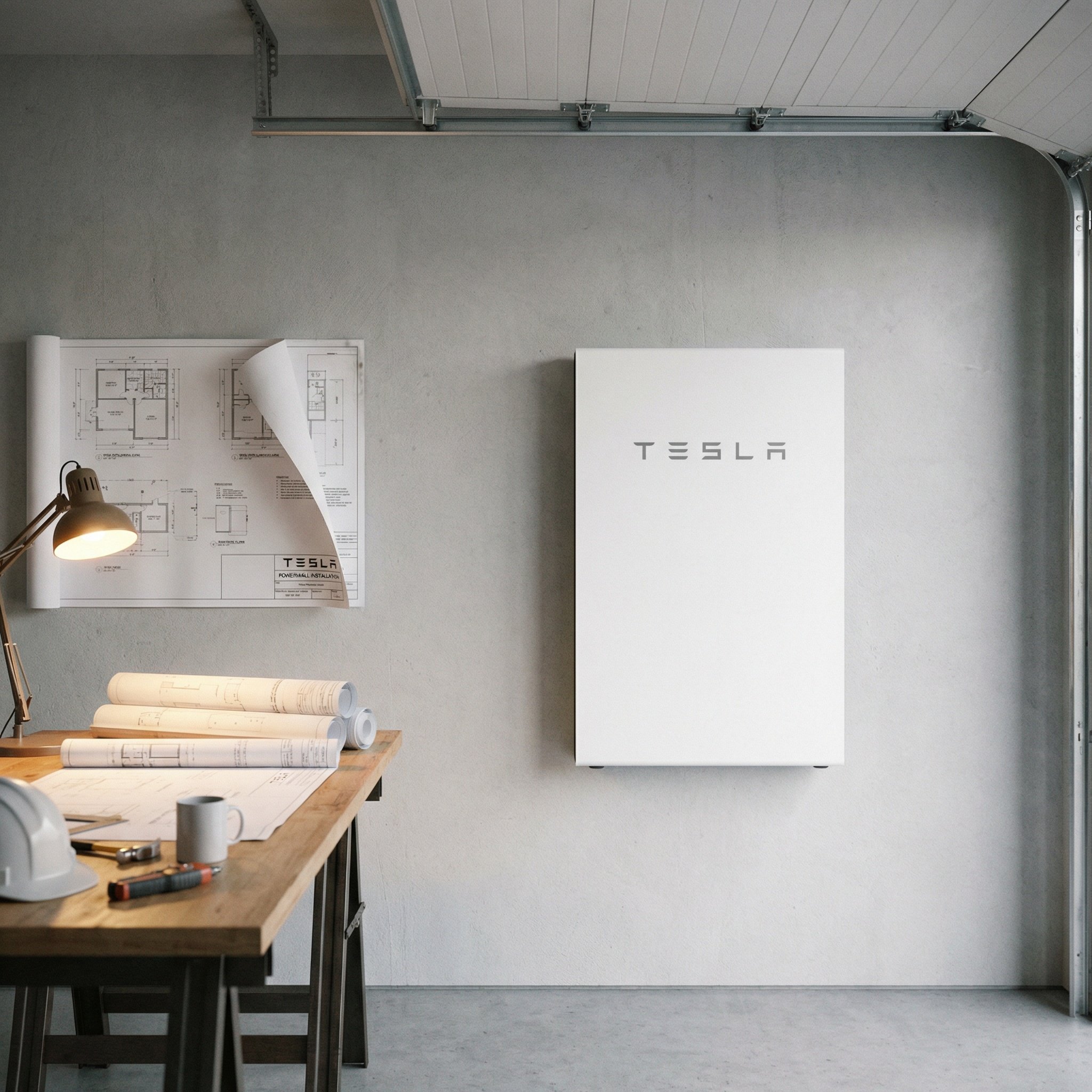
CASE STUDY #2 — Peak Pricing Exposure
Dallas Homeowner – High Summer Peak Rates
Situation:
On time-of-use rate plan
High evening AC usage
Significant daytime solar export
Problem:
Solar production peaked midday
Retail peak rates hit after 4 PM
Evening imports drove bill spikes
Solution:
Battery sized for evening load
Configured to discharge during peak hours
Reduced peak-rate imports
Result:
0 summer peak charges
More predictable billing
Reduced exposure to retail volatility
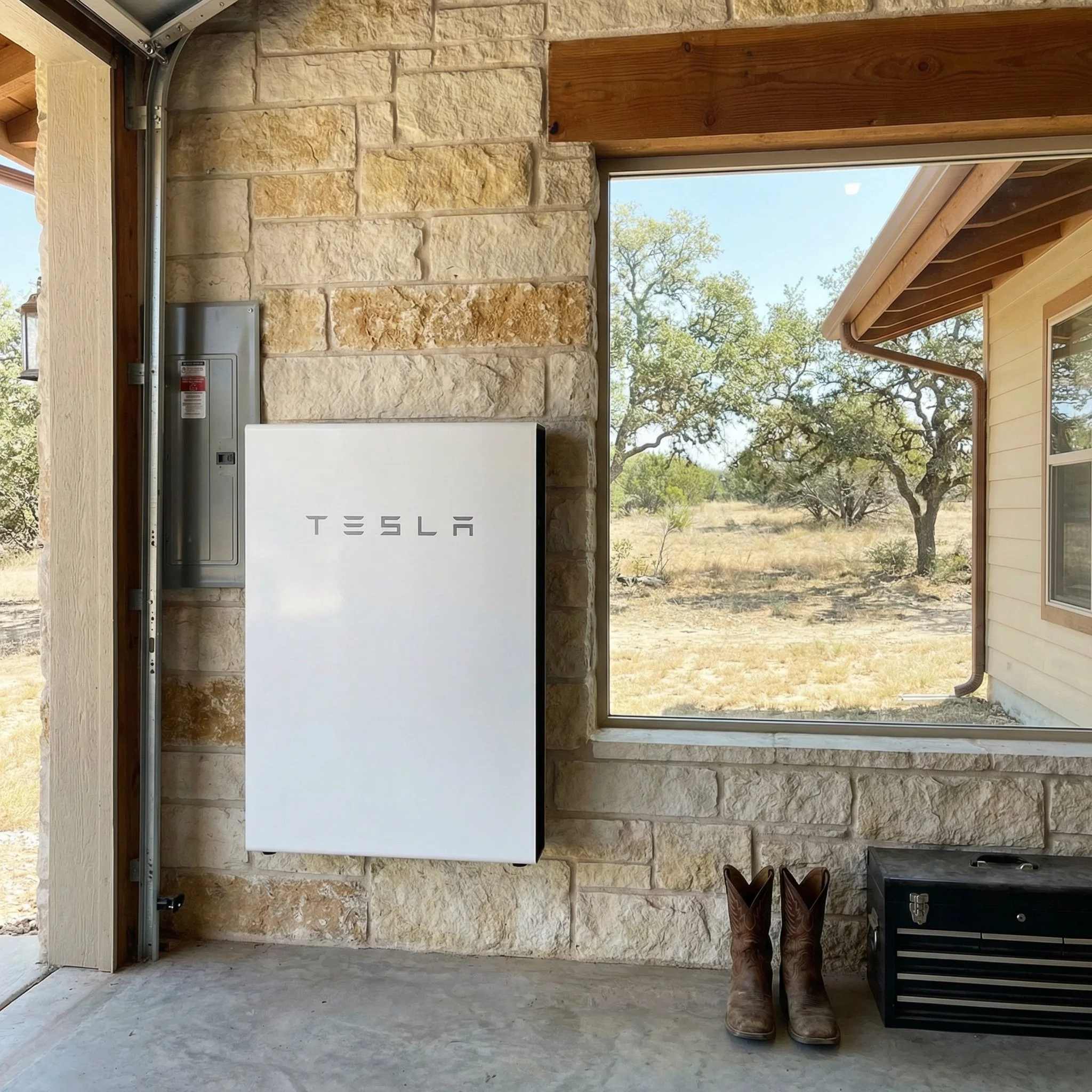
CASE STUDY #3 — ERCOT Outage Concern
Austin Homeowner – Post-Blackout Upgrade
Situation:
Solar installed without storage
Lost power during major grid outage
Assumed solar would provide backup
Problem:
Grid-tied system shut down
No power during blackout
Critical loads affected
Solution:
Installed battery with backup configuration
Created partial-home critical load panel
Result:
Automatic backup during grid failure
Solar recharges battery during daylight
Increased resilience

CASE STUDY #4 — Aging Inverter Upgrade
San Antonio Home – Modernizing a 10-Year-Old System
Situation:
Inverter nearing end-of-life
Production inconsistent
Considering replacement
Problem:
Outdated inverter
Not battery-compatible
Lower monitoring visibility
Solution:
Upgraded to storage-compatible inverter
Integrated battery system
Modernized monitoring
Result:
Restored full production
Added backup capability
Improved long-term ROI
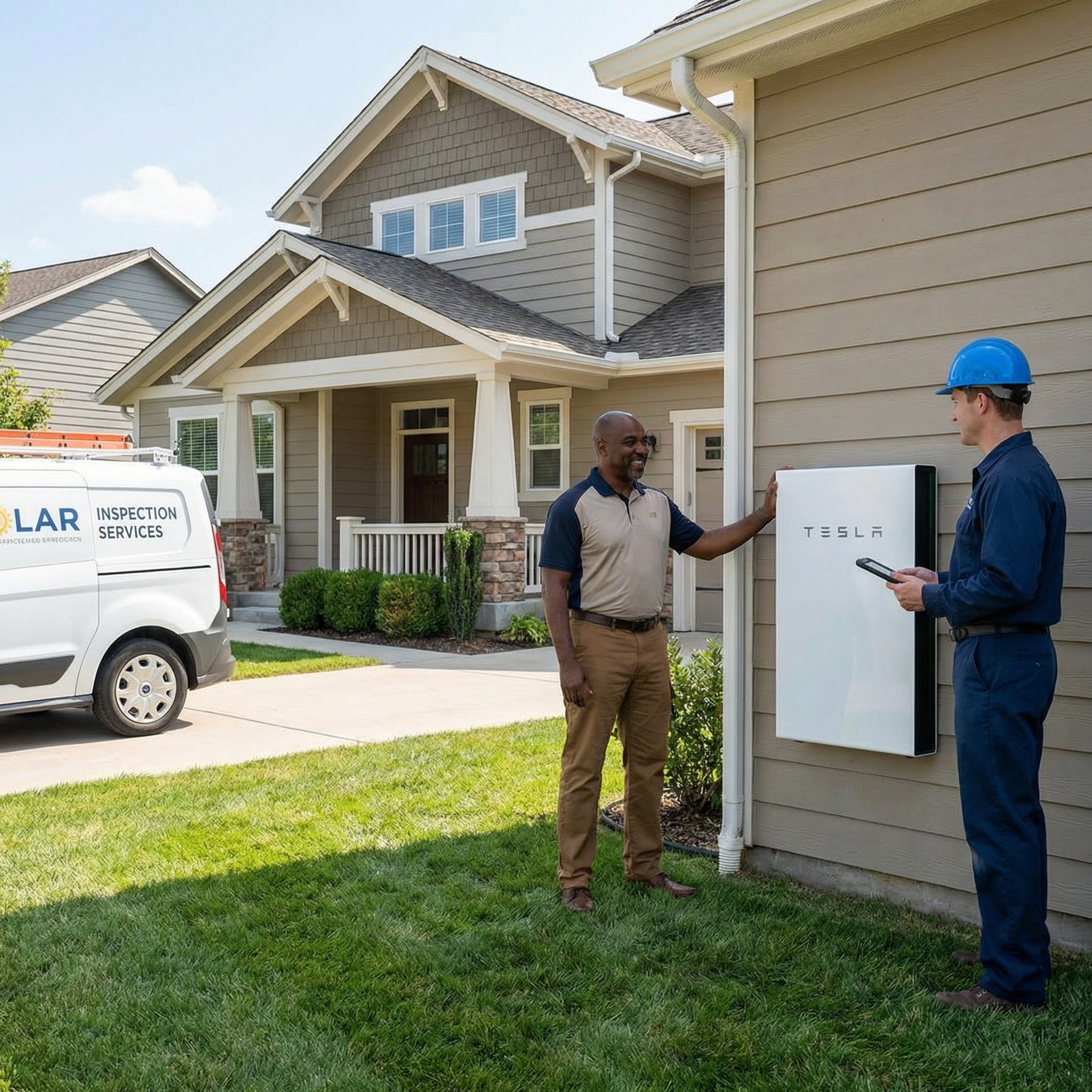
CASE STUDY #5 — Free Nights Plan Frustration
Fort Worth Home – Free Nights vs Storage
Situation:
Switched to free nights plan
Export credits low
Daytime solar undervalued
Problem:
Exported daytime power cheaply
Used “free” grid power at night
Savings inconsistent
Solution:
Added battery
Increased self-consumption
Reduced export reliance
Result:
More control over timing
Reduced dependence on plan structure
Improved stability
The Pattern Across Texas Homes
In most cases:
Solar panels were functioning properly
Rate structures changed
Export compensation dropped
Peak pricing increased
Grid reliability became a concern
Battery storage addressed one or more of:
Buyback exposure
Peak pricing
Outage risk
Evening consumption
System modernization
The issue was rarely panel failure.
It was strategy evolution.
Your Situation May Be Different — But the Pattern Is Clear
Texas energy markets shifted.
Buyback rates changed.
Peak pricing increased.
ERCOT events reshaped resilience conversations.
Battery storage has become a strategic response to those changes.
Before assuming your solar system peaked in value, evaluate how your home compares to these case studies.
-
Results vary based on system size, rate plan, and consumption pattern.
-
Savings depend on usage and configuration but usually yes!
-
Most systems can be adapted, though compatibility varies.
-
Yes, absolutly!
-
Most battery installations take 1–2 days.