

What Happened to Texas Solar Buyback Rates?
If your solar savings dropped, you’re not imagining it.
Yes — Texas Solar Buyback Rates Dropped
In many areas of Texas:
Export credits are now significantly lower
Retail purchase rates remain higher
Plan structures changed at renewal
Free nights plans altered daytime value
Several years ago, many homeowners received near-retail credit for exported energy.
Today, some plans credit as little as 2–5¢ per kWh.
That difference dramatically changes long-term ROI.

Why Did Texas Solar Buyback Rates Decrease?
Texas operates in a deregulated electricity market.
That means:
Retail electric providers compete for customers
Buyback programs are voluntary
There is no statewide net metering mandate
Unlike some states, Texas does not require utilities to credit solar exports at full retail rates.
Retail providers adjust buyback structures based on:
Market pricing
Wholesale electricity costs
Risk exposure
Business strategy
As solar adoption increased, many providers modified export compensation models.
The structure shifted from retail-based credit to market-based credit.

The Real Issue: Export Credit vs Retail Rate
The financial challenge comes from the spread between:
What you receive for exporting
What you pay when importing
Example:
If you export at 3¢ per kWh
But purchase at 15¢ per kWh
You are selling low and buying high.
Solar was originally modeled to offset retail rates.
When export compensation drops, profitability shifts.
Your system may still be producing exactly as designed.
The value of that production changed.

How Free Nights Plans Altered Solar Math
Some Texas providers introduced free nights plans.
While these can reduce evening costs, they also:
Devalue daytime solar exports
Shift how credits are applied
Change consumption strategy
Without storage, many homeowners:
Export daytime energy cheaply
Use free grid power at night
Lose self-consumption value
Free nights are not inherently bad.
But they change the strategy required to maximize solar savings.
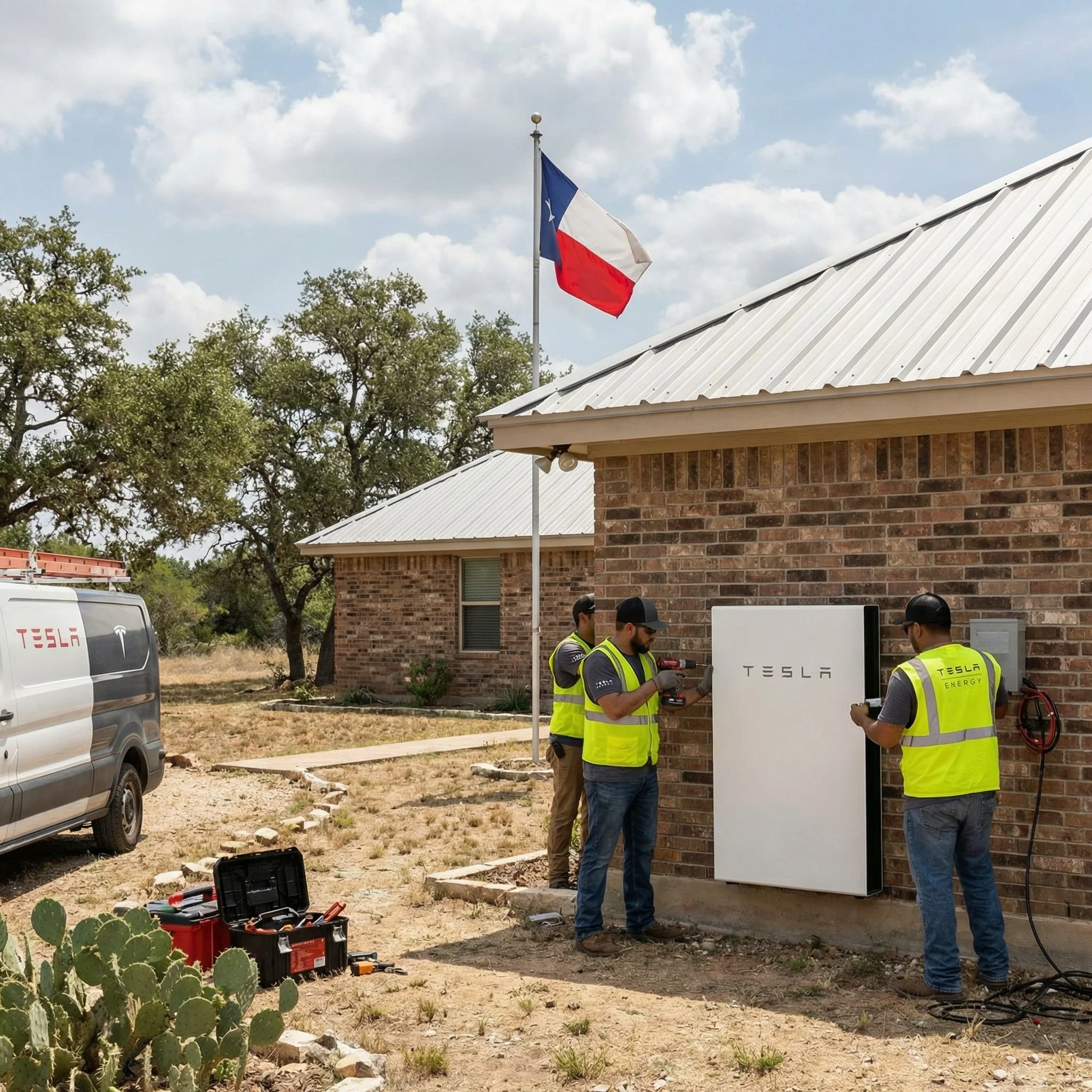
Why Your Solar ROI Looks Different Now
When you installed solar, projections were based on:
Specific buyback rates
Retail electricity pricing
Rate stability assumptions
If any of those variables changed, your payback timeline changes.
That does not mean your installer failed.
It means the compensation environment shifted.
Solar production stayed constant.
Retail compensation did not.
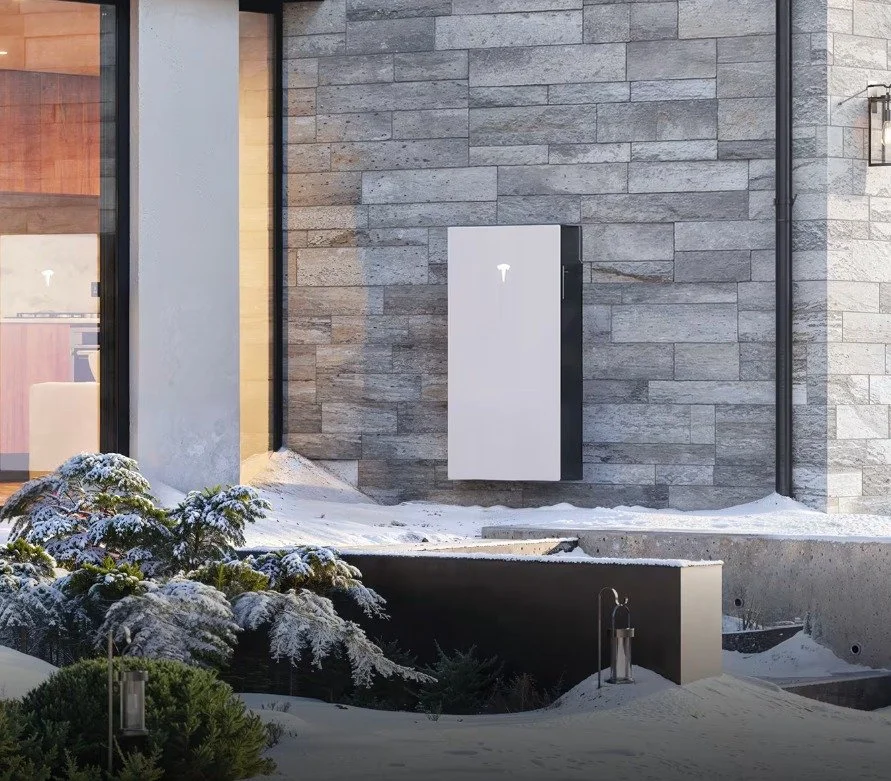
How Homeowners Are Responding to Buyback Changes
There are three primary strategies:
Switching retail providers
Changing rate plans
Adding battery storage
Switching providers may temporarily improve compensation.
But retail plans can change again at renewal.
Battery storage allows homeowners to:
Store excess daytime production
Reduce low-value exports
Increase self-consumption
Stabilize long-term savings
Instead of relying entirely on buyback credits, homeowners regain control.
Storage reduces dependence on export math.
-
Texas does not mandate full retail net metering statewide. Buyback programs are offered by retail providers.
-
Not universally, but many plans have reduced export compensation compared to earlier years.
-
Switching may improve short-term savings, but retail structures can change over time.
-
A battery reduces reliance on export credits by increasing self-consumption.
-
Yes, but the strategy has evolved. Storage and rate optimization now play a larger role.