
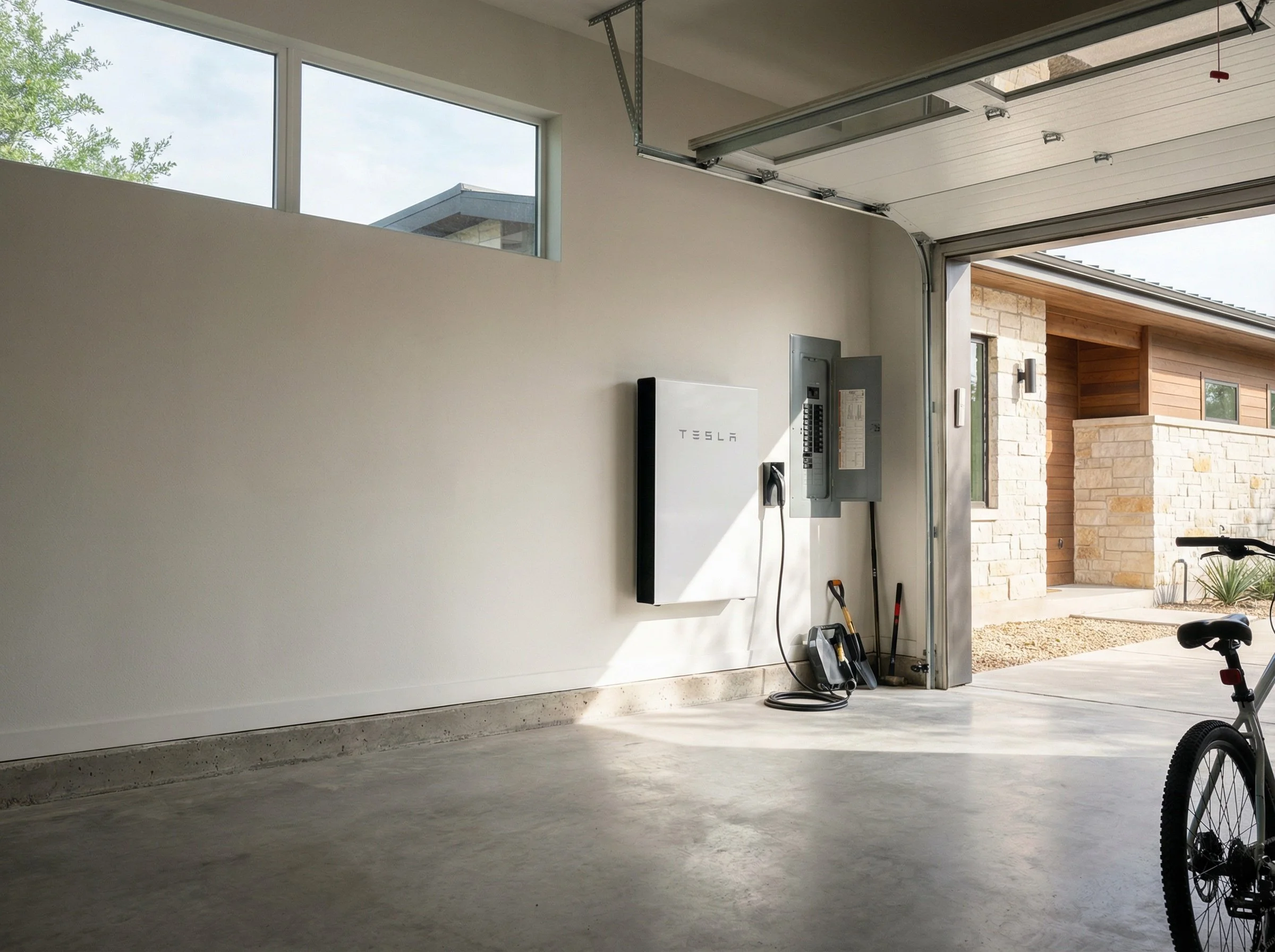
Why Georgetown Homeowners Are Adding Batteries
Central Texas heat. Grid strain. Rising evening demand.
Heat Waves & ERCOT Events Stress the Grid
Georgetown sits in Oncor territory within the ERCOT grid and regularly experiences:
100°+ summer temperatures
Peak-demand grid alerts
Severe thunderstorms
Occasional winter freeze disruptions
During extreme heat:
AC systems run constantly
Grid strain increases
Rolling outage risk rises
When the grid fails:
Solar systems automatically shut off
Cooling systems stop
Refrigeration and medical equipment can be affected
Without storage, solar does not provide backup power.
For many Georgetown homeowners — especially retirees — reliability is not optional.
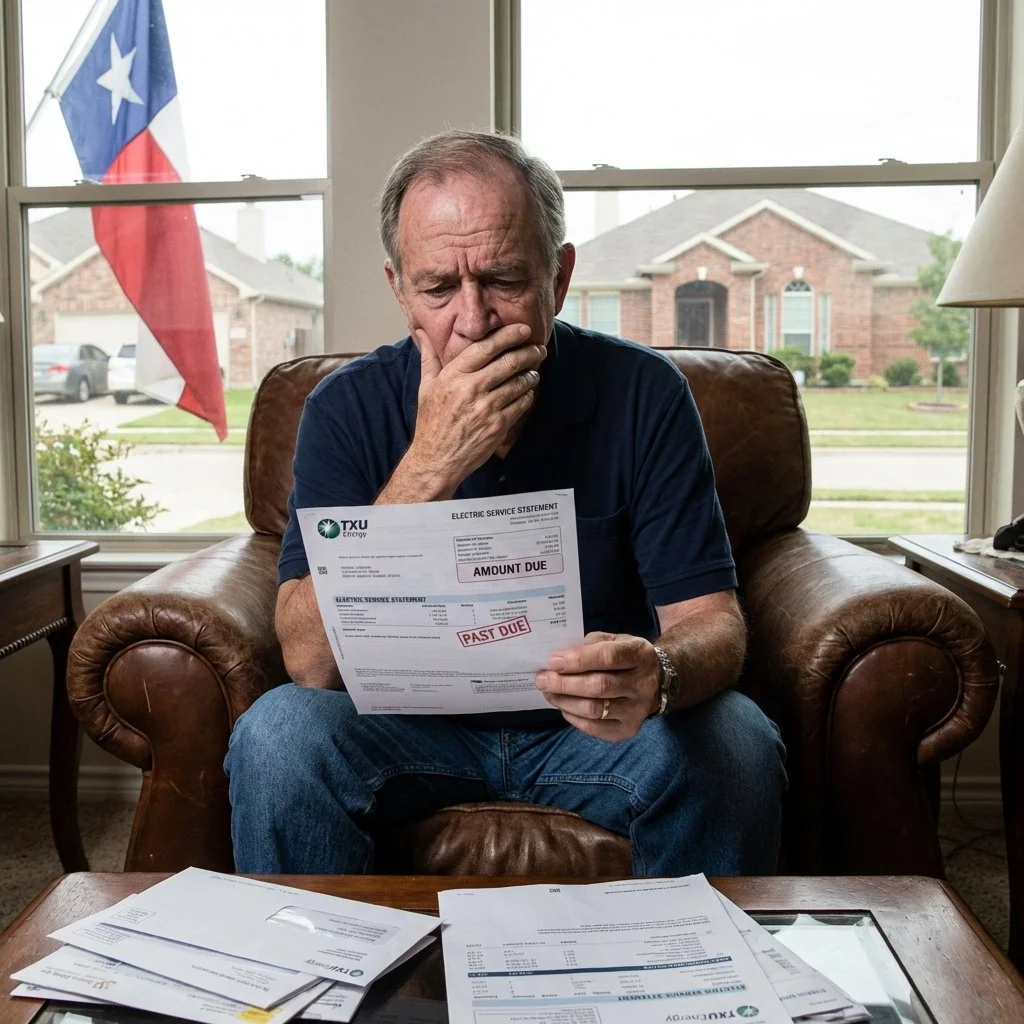
Exporting Solar Doesn’t Offset Evening Cooling
Many Georgetown homeowners installed solar when:
Buyback math appeared stronger
Export credits felt predictable
Retail volatility seemed manageable
Today, many notice:
Delivery charges remain
Evening cooling dominates consumption
Midday solar is exported at lower value
Peak windows determine billing impact
In large master-planned communities like Sun City, evening demand often exceeds daytime offset.
Production is solid.
Timing determines savings.
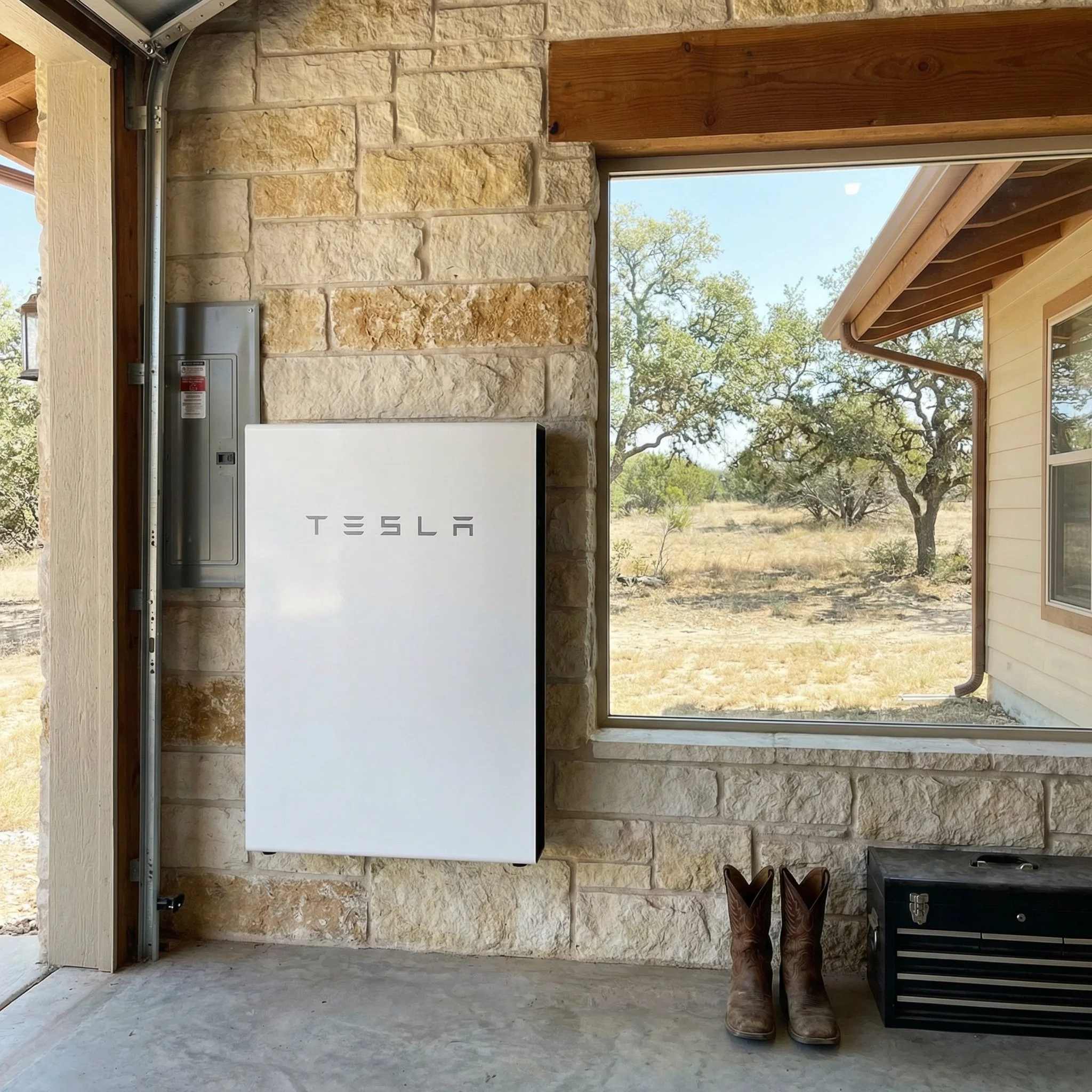
From Export Strategy to Self-Consumption Strategy
Instead of:
“Sell excess solar during the day”
Homeowners are shifting toward:
“Store excess solar and use it when demand peaks”
Battery storage helps:
Offset evening HVAC usage
Reduce peak imports
Increase self-consumption
Add outage resilience
This shift increases both predictability and protection.

A Structured Way to Add Storage
The Light Battery Program™ includes:
Primary battery lease structure (~$85–$95/month depending on structure)
Enrollment in a participating retail plan offering 1:1 net metering under current plan terms
A $54 monthly battery credit under participating plan structure
Backup capability during outages
Instead of installing storage without retail alignment, this program combines:
Battery deployment
Retail structure
Evening demand optimization
When structured properly, many homeowners reduce effective battery cost while increasing long-term stability.
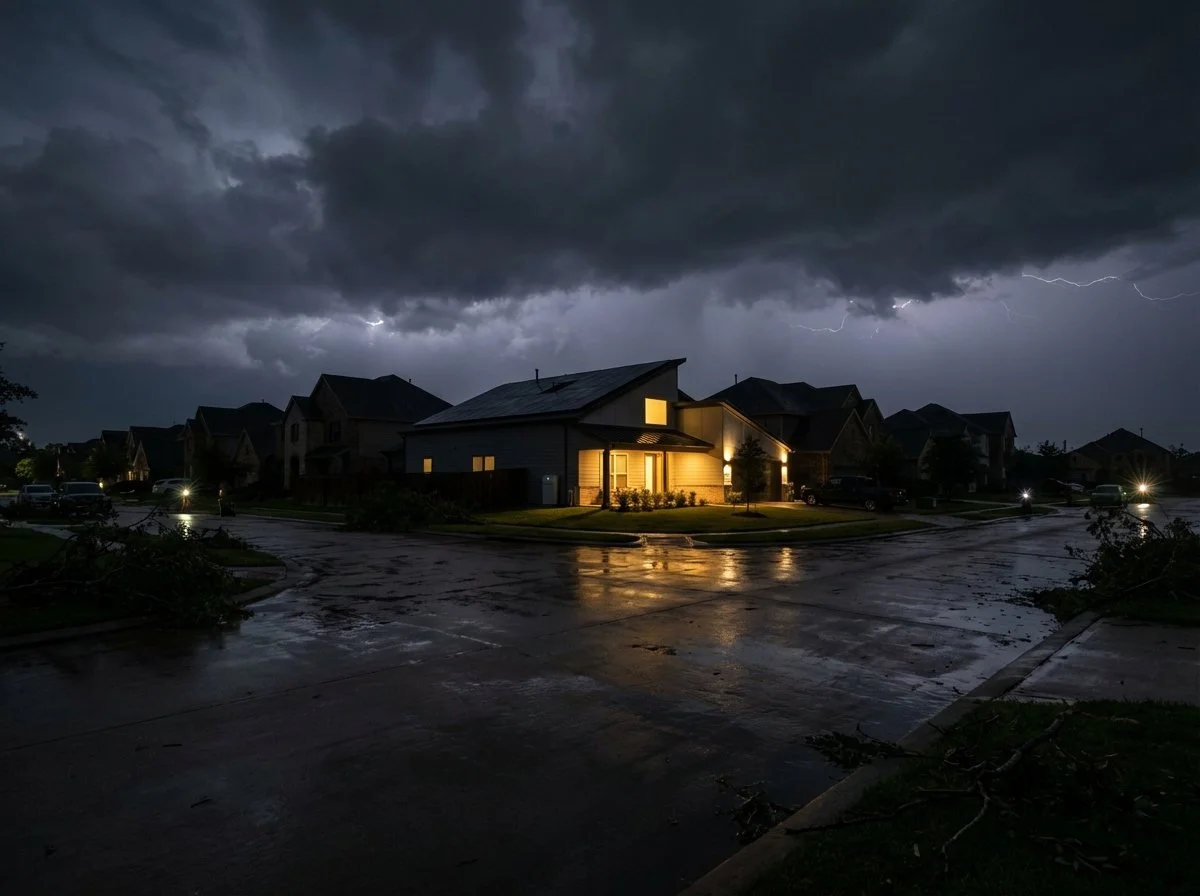
Cooling-Heavy + Reliability-Focused
Typical Georgetown scenario:
2,000–3,000 sq ft home
Strong midday solar production
High evening AC runtime
Fixed-income budgeting priorities
Without storage:
Solar offsets daytime use
Evening imports remain high
No protection during outages
With battery storage:
Stored solar offsets evening cooling
Reduced peak imports
Backup during grid disruptions
Greater billing predictability
Results vary by home and system configuration.
But structure changes exposure and stability.
Georgetown Heat Waves Aren’t Getting Cooler
Cooling demand remains intense.
ERCOT peak events are increasing.
Evening load drives billing patterns.
If your solar system was built only around export math, it may not be optimized for Georgetown’s energy profile.
Homeowners across Georgetown are adding batteries for control and protection.
See how The Light Battery Program™ applies to your home.
-
Storm-related outages, fluctuating buyback structures, and rising evening demand have increased interest in storage solutions.
-
When configured for backup, battery systems can power designated circuits or portions of the home during grid interruptions.
-
The $54 monthly credit is available under the current participating retail plan used within The Light Battery Program™. Eligibility and plan terms are reviewed prior to enrollment.
-
Eligible homeowners enrolled in the participating retail plan receive 1:1 net metering under current plan terms.
-
The Light Battery Program™ is primarily structured as a lease model designed to reduce upfront investment compared to traditional purchase financing.