

Why Is My Solar Bill Still High in Texas?
If you installed solar and your bill isn’t what you expected, you’re not alone.
First: You’re Not Crazy… Yes, This Is Happening Across Texas
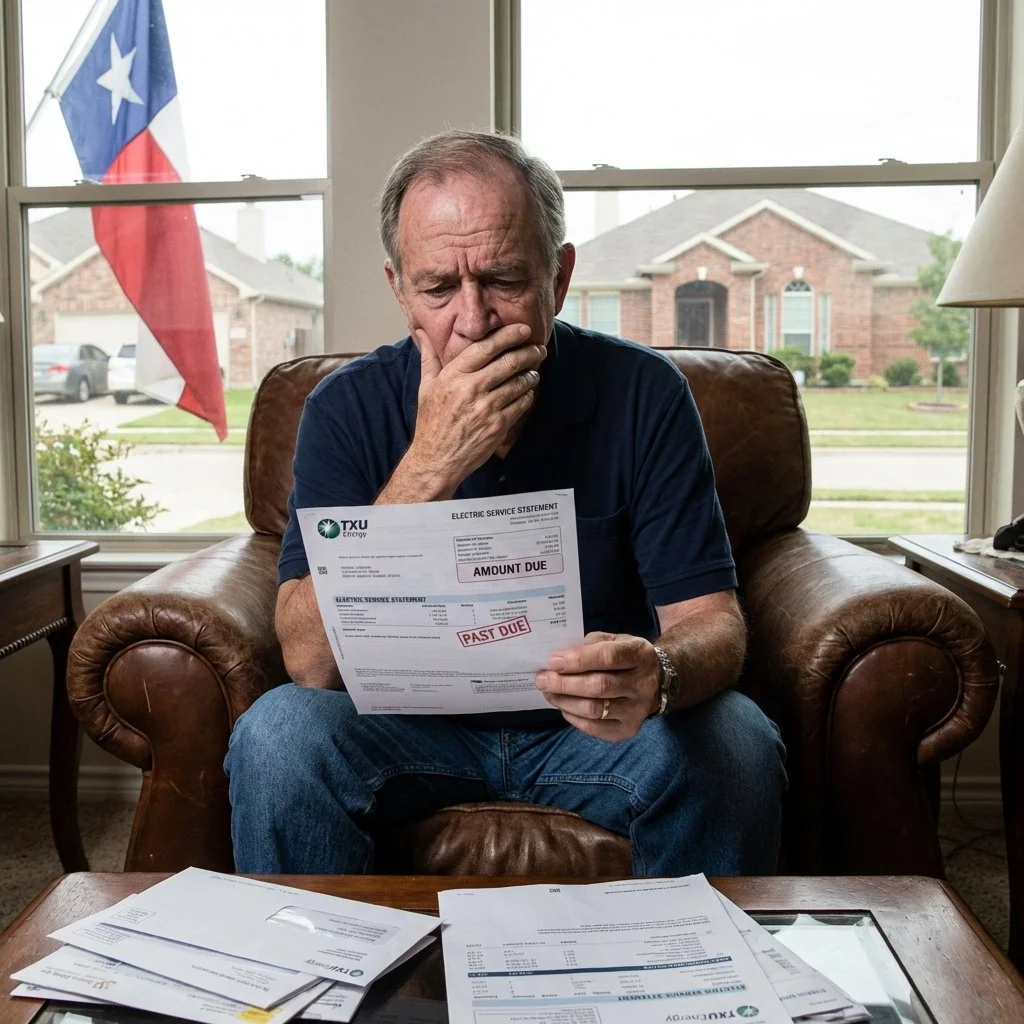
Homeowners who installed solar expecting $0–$30 bills are now seeing:
$80 bills
$120 bills
$200+ summer bills
Your panels may be producing exactly as designed.
But your financial results changed.
High bills do not automatically mean your system is broken.
5 Reasons Your Solar Bill May Still Be High
1. Buyback Rates Dropped
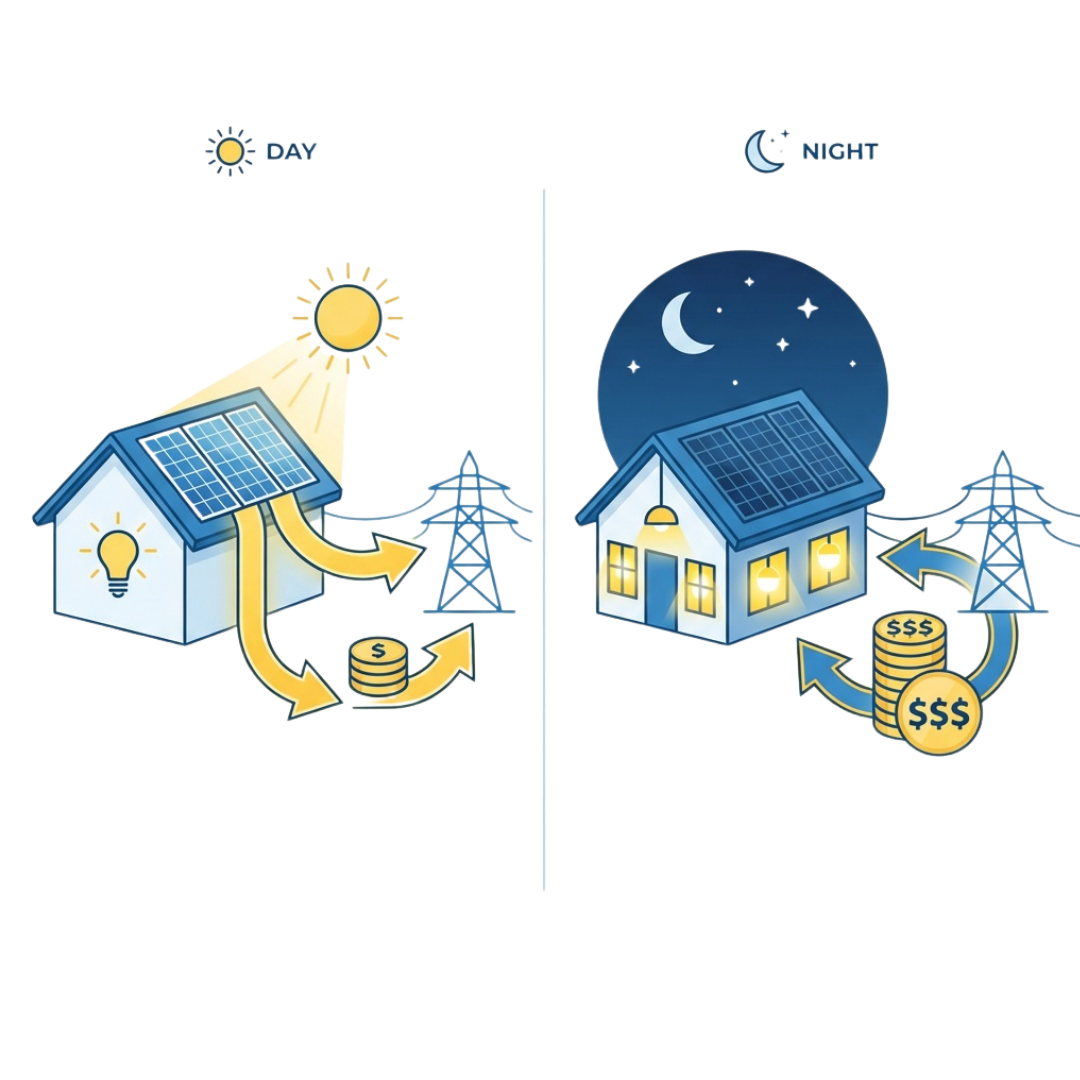
Several years ago, many homeowners received near-retail credit for exported energy.
Today, some plans credit as little as 2–5¢ per kWh.
If you purchase power at 14–18¢ per kWh, the spread reduces savings dramatically.
2. Delivery Charges Still Apply
Even if you produce solar power, you still pay:
Grid delivery fees
Base charges
Certain usage-related fees
Solar offsets energy — not every line item on your bill.
3. Free Nights Plans Changed the Math
Free nights plans can shift when and how credits apply.
Without storage, you may be:
Exporting daytime production cheaply
Using free grid power at night
Missing self-consumption value
4. Higher Household Usage
Over time, energy usage can increase due to:
New appliances
Electric vehicles
Pool systems
Extended air conditioning usage
Growing household demand
Your system was sized based on older consumption patterns.
5. Seasonal Spikes
Texas summers are extreme.
Air conditioning demand can dramatically increase grid imports — especially after sunset.
Even strong solar production may not fully offset peak summer cooling loads.
Your System May Be Producing. The Value May Have Changed.
There are two separate questions:
Are your panels producing correctly?
Is the compensation structure still favorable?
Most “high bill” complaints are not caused by panel failure.
They are caused by:
Lower export credits
Higher retail rates
Plan changes at renewal
Production stayed consistent.
Compensation shifted.

Before Assuming Your Solar Failed
You should review:
Last 12 months of production data
Current retail rate plan
Export credit rate
Import vs export balance
Recent plan renewals
In many cases, the issue is strategic — not mechanical.
If the system is mechanically underperforming, that can be fixed.
If the issue is compensation structure, the strategy must change.
How Texas Solar Owners Are Reducing High Bills
There are three main approaches:
1. Switching Retail Providers
This may temporarily improve buyback credits.
However, retail terms can change again.
2. Reducing Usage
Energy efficiency upgrades can lower consumption.
This helps — but does not fix low export credits.
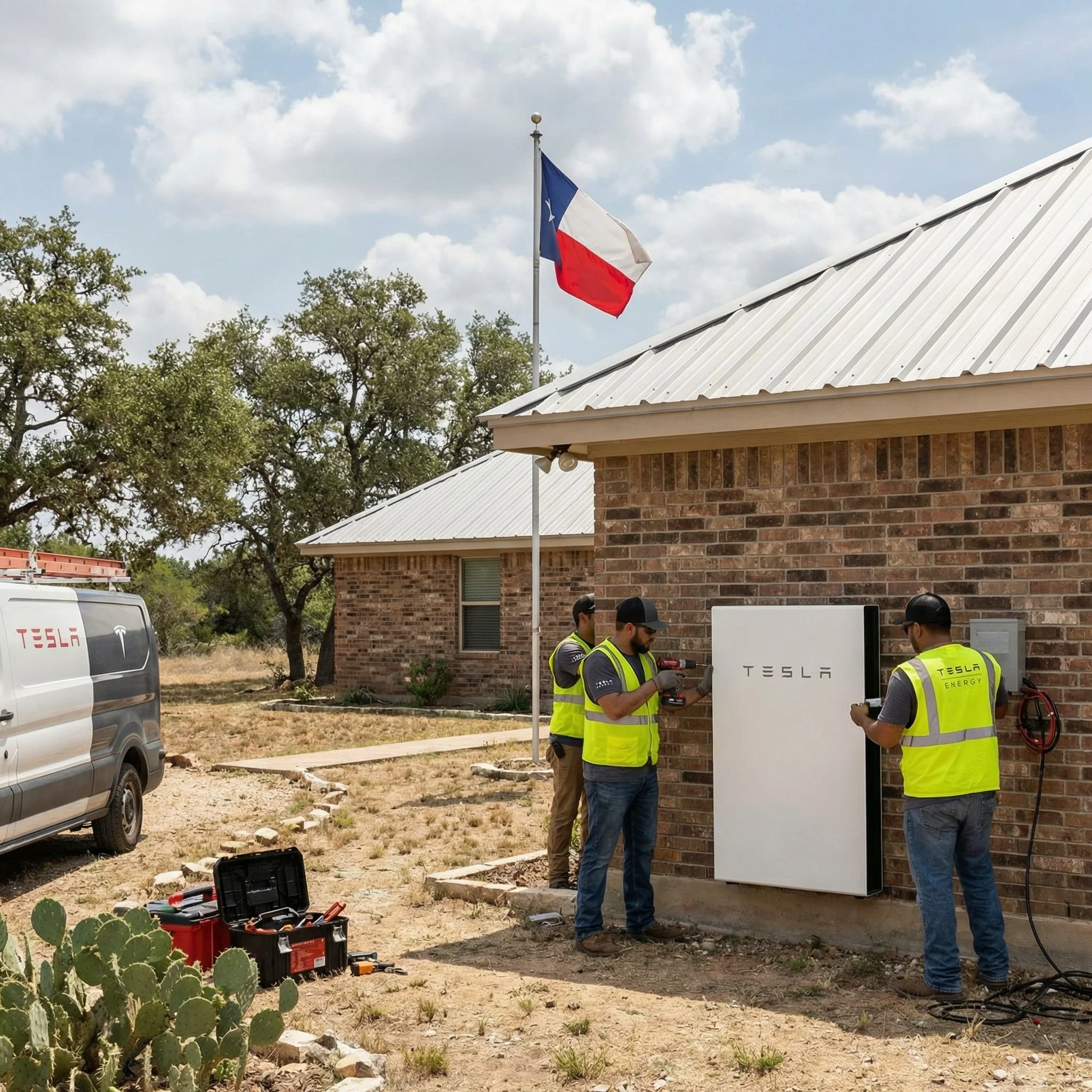
3. Adding Battery Storage
Battery storage allows you to:
Store excess daytime solar production
Reduce low-value exports
Use stored power at night
Offset higher retail rates
Stabilize long-term savings
Instead of selling low and buying high, you increase self-consumption.
Storage restores leverage.
Is Solar Still Worth It? Yes. But the Strategy Has Changed
Solar still reduces energy costs in Texas.
However, relying purely on export compensation is less predictable than it once was.
Maximizing savings today often requires:
Careful rate selection
Monitoring export vs import balance
Considering battery storage
Optimizing self-consumption
If your bill is higher than expected, the solution is usually not removing solar.
It’s refining the strategy.
-
Not necessarily. Bills depend on system size, usage patterns, and compensation structure.
-
Not always. Many high bills are related to rate changes or export credit reductions.
-
Switching providers or reducing usage may help, but storage often provides greater long-term control.
-
Review production data and compare it to original projections.
-
Results vary based on usage and system size.